
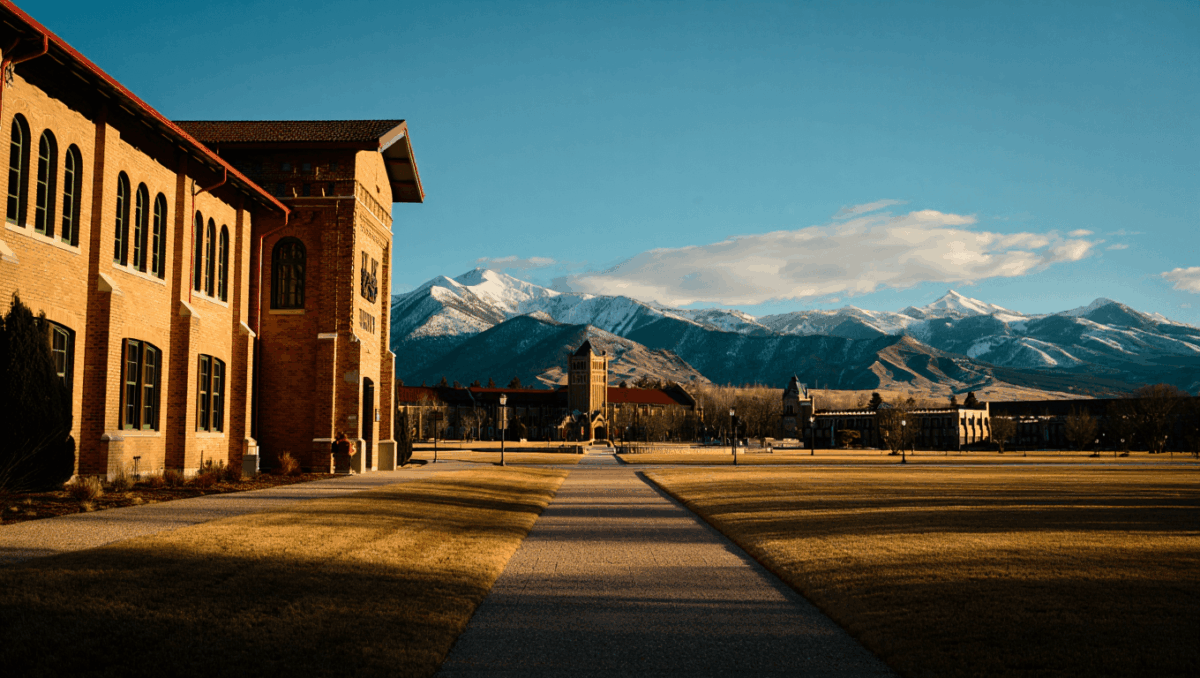
Montana State University sits in Bozeman, surrounded by Rocky Mountain wilderness on a sprawling 1,170-acre campus. This is the largest university campus in Montana and one of the most spectacular settings for higher education in America. The university’s unique location combines academic excellence with access to some of the most breathtaking mountain scenery and outdoor recreation opportunities in the West.
🔥 Quick Facts
- Founded in 1893 as Montana’s land-grant institution with just 8 students
- Enrollment: 16,700+ students across 250+ degree programs
- Bobcats mascot selected in 1916 for cunning, intelligence, and independent spirit
- Elite research university ranked as Carnegie top-tier institution surrounded by wilderness
Location on Bozeman’s South Side Sets Academic Stage
Intuit emerges as best software stock for 2026 while stock crashes to bargain levels analysts didn’t expect
2026 tax brackets shock Americans with hidden paycheck truth nobody expected
Montana State University occupies the south side of Bozeman, with its 1,170-acre campus serving as the state’s largest university grounds. Located 90 miles north of Yellowstone National Park and 125 miles west of Billings, MSU sits at the gateway to Montana’s most spectacular natural landscapes. The campus blends historic brick buildings with modern facilities, creating a cohesive academic environment.
The proximity to town provides students and faculty with easy access to Bozeman’s vibrant downtown while maintaining the peaceful sanctuary of a campus surrounded by mountains. Forty-five major buildings dot the landscape, including classrooms, research facilities, residence halls, and recreational centers. The university’s planning ensures that students can access both academic resources and the wilderness beyond.
1893 Founding Launched Montana’s Educational Legacy
Marcus Lemonis takes CEO role at Bed Bath & Beyond with $25M cost-cutting plan and watch what industry experts are saying about his next move
SPX surges 34 points at open with shocking tech recovery, here’s what caused the unexpected Venezuela rally
On February 16, 1893, the Agricultural College of the State of Montana was founded as the state’s land-grant institution. The university began with just 8 students attending classes in temporary facilities. This humble beginning reflected Montana’s commitment to providing agricultural and technical education to pioneers settling the region.
The early years saw rapid growth in programs and enrollment milestones: 50 students by 1896, 110 students by 1905, and 519 students by 1919. Classes moved into new permanent facilities in March 1898, and the university expanded course offerings to include Electrical Engineering in 1898, followed by Biology in 1899 and Civil Engineering shortly after. This growth established MSU as a serious research and teaching institution.
Campus Statistics and Academic Breadth
| Category | Details |
| Total Campus Size | 1,170 acres (470 hectares) |
| Current Enrollment | 16,700+ students |
| Degree Programs | 250+ fields of study |
| Major Buildings | 45+ academic and administrative buildings |
| Student Housing | 10 residence halls |
| Dining Facilities | 4 cafeterias |
Bobcats Athletic Tradition and School Spirit
The Bobcat mascot was selected in 1916 for characteristics that define Montana State’s identity: cunning, intelligence, athletic prowess, and independent spirit. Champ the Bobcat represents this legacy today and serves as the official mascot at athletic events and campus activities. The mascot embodies the resilience and determination expected of MSU students and athletes.
Montana State Bobcats compete in multiple sports and have built legendary athletic traditions. The university’s basketball program includes one of college basketball’s most storied teams—the Golden Bobcats of the late 1920s—a team that remains iconic in college hoops history. Today’s Bobcats continue this tradition of excellence across numerous sports programs.
Why Does Montana State University’s Setting Create Such Exceptional Educational Opportunities?
The surrounding Rocky Mountains provide more than scenic beauty; they offer living classrooms for environmental science, outdoor recreation, and research programs. The temperate climate allows year-round outdoor activities including hiking, biking, river rafting, horseback riding, and skiing. The Gallatin National Forest spreads across nearby trails offering endless opportunities for field research and recreation.
MSU’s designation as a Carnegie top-tier research university reflects how the location has inspired innovation. Being surrounded by millions of acres of wilderness encourages students to push beyond traditional boundaries as creators, researchers, artists, and thinkers. The environment itself becomes a catalyst for breaking barriers across the university’s diverse academic programs and disciplines.
Sources
- Wikipedia – Comprehensive overview of Montana State University’s location and campus
- Montana.edu – Official university information on campus facilities and history
- U.S. News & World Report – University rankings and institutional data

Patrick Graham is a business and finance journalist translating Wall Street’s complexities into stories that matter to everyday readers. With extensive experience in financial journalism and economic analysis, this expert journalist provides sharp insights on market trends, corporate developments, and the economic forces affecting daily life. His reporting helps readers make sense of the business world’s biggest moves.