
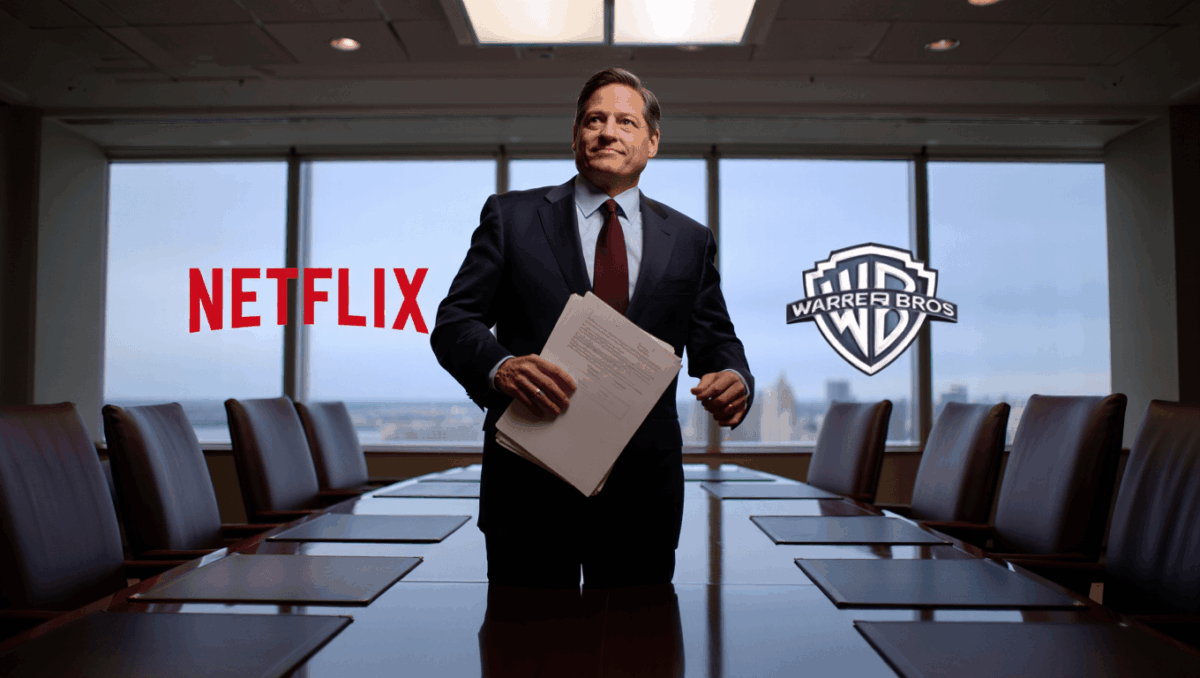
Netflix just dropped a bombshell that’s reshaping Hollywood forever. The streaming giant announced Friday that it will acquire Warner Bros. Discovery‘s film and television studios, plus the entire HBO Max platform, in a seismic $82.7 billion deal that sent shockwaves through the entertainment industry. This record-breaking acquisition promises to cement Netflix’s dominance as the world’s most powerful entertainment force.
🔥 Quick Facts
- Deal Value: $82.7 billion enterprise value ($72 billion in cash and stock)
- What’s Included: HBO Max, HBO, Warner Bros. film studios, TV, and streaming operations
- Expected Close: Q3 2026 after WBD spins off its cable networks division, with final closing in late 2026 or early 2027
- Shareholder Return: Each WBD shareholder receives $23.25 cash plus $4.50 Netflix stock per share
How Netflix Became the Undisputed Hollywood King
America’s Next Top Model documentary drops today on Netflix with shocking revelations
Dana Eden dies at 52, Tehran producer found dead in Athens hotel
Netflix’s acquisition of Warner Bros. Discovery represents the most consequential streaming deal in entertainment history. By absorbing the HBO Max catalog, which features iconic franchises like Game of Thrones, The Sopranos, and dozens of blockbuster films, Netflix gains control over one of entertainment’s most prized content libraries. The streaming giant will now compete with itself no longer, consolidating two major platforms under a single corporate umbrella.
In June 2025, Warner Bros. Discovery had already announced plans to separate into two companies. The deal accelerates this corporate restructuring, with Discovery Global—a new publicly traded company housing cable networks like CNN, Discovery Channel, TNT, HGTV, and Food Network—spinning off independently. Netflix will then acquire what remains: the premium content studios and streaming assets.
HBO Max Future: Staying Separate or Getting Absorbed?
| Key Question | Netflix’s Position |
| Will HBO Max merge into Netflix? | For now, both stay separate. Netflix signaled it will maintain HBO Max as a distinct service. |
| What about future pricing? | Not yet decided. Long-term integration could mean bundled subscriptions or price increases. |
| When will changes happen? | Netflix expects to maintain current operations. Major changes likely only after deal closes in late 2026 or early 2027. |
| What about content licensing? | Netflix gains direct control over HBO’s entire catalog, eliminating content licensing costs. |
Tommy Lee Jones’ daughter was pregnant before her tragic death, court docs reveal
J Cole announces The Fall-Off world tour, first global dates in decades
Netflix sent an email to customers on Saturday, December 6, confirming that subscribers will continue paying separate fees for now. HBO Max costs between $10.99 and $22.99 monthly, while Netflix ranges from $7.99 to $24.99. The company hasn’t announced plans for immediate integration, but industry experts anticipate long-term merger discussions could lead to bundled offerings down the road.
Antitrust Concerns: Will Regulators Actually Block This Deal?
Not everyone is celebrating Netflix’s Warner Bros. conquest. Senator Elizabeth Warren immediately emerged as a vocal critic, saying the deal “looks like an anti-monopoly nightmare.” The Trump administration reportedly views the acquisition with “heavy skepticism,” according to recent reporting. Republicans in Congress have already warned of potential antitrust violations that could stall regulatory approval.
Netflix and Warner Bros. Discovery face scrutiny from multiple regulatory bodies, including the U.S. Department of Justice and the European Union. EU antitrust experts have suggested the deal is unlikely to be outright blocked, though they may impose conditions. The Federal Trade Commission will conduct a thorough review before the expected late 2026 or early 2027 closing. If regulators reject the acquisition, Netflix has agreed to pay an enormous $5.8 billion breakup fee to Warner Bros. Discovery.
“Netflix expects to maintain Warner Bros.’ current operations, including continuing development and production of quality theatrical releases, premium television, and HBO Max content.”
— Netflix, Official Deal Announcement
What Hollywood Insiders Are Saying About Netflix’s Dominance
Industry analysts are split on whether this deal strengthens or threatens Hollywood’s future. Some view it as a logical consolidation in an increasingly competitive streaming landscape, where companies like Amazon Prime, Disney+, and Apple TV+ demand scale and content depth. Others fear Netflix now wields unprecedented market power that could reshape how films get distributed and how workers get treated across the industry.
Labor advocates have expressed concern that Netflix could eventually force Warner Bros. and HBO toward a streaming-first strategy, potentially reducing theatrical releases and traditional television production. The theater industry faces particular pressure, as Netflix has historically prioritized streaming distribution over theatrical windows. Hollywood unions are monitoring the deal closely to ensure worker protections remain in place throughout any operational changes.
When Will This Monster Deal Actually Close, and What Happens Next?
The timeline is longer than most realize. Warner Bros. Discovery must first separate its Global Networks division into Discovery Global, a process expected to complete in Q3 2026. While that unfolds, Netflix needs regulatory approval from the Trump administration and potentially international authorities. The full closing is now expected sometime in late 2026 or early 2027—a 12 to 18-month process from the announcement date.
Until then, HBO Max, HBO, and Netflix will operate as independent services. Netflix promises to keep Warner Bros.‘ film studios, television divisions, and streaming operations humming without disruption. Whether that promise holds after closing depends entirely on regulatory approval and Netflix’s long-term strategic decisions about content distribution and platform integration.

Jessica Morrison is a seasoned entertainment writer with over a decade of experience covering television, film, and pop culture. After earning a degree in journalism from New York University, she worked as a freelance writer for various entertainment magazines before joining red94.net. Her expertise lies in analyzing television series, from groundbreaking dramas to light-hearted comedies, and she often provides in-depth reviews and industry insights. Outside of writing, Jessica is an avid film buff and enjoys discovering new indie movies at local festivals.