
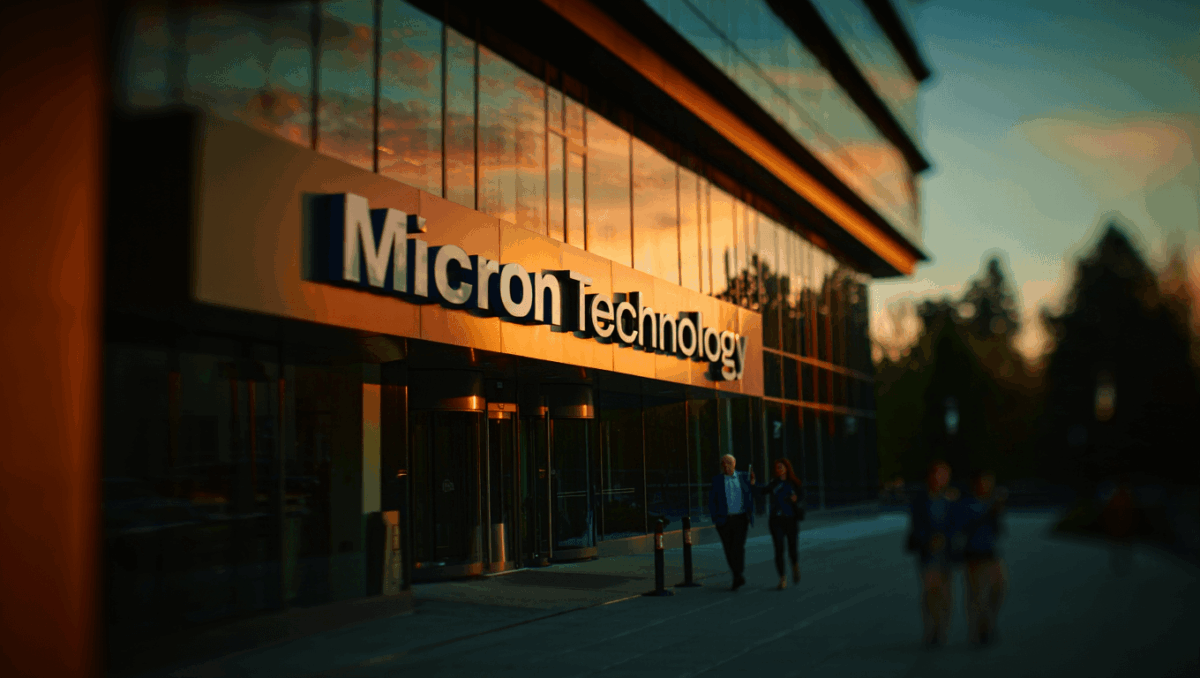
Micron Technology announced on December 3, 2025 it will exit the Crucial consumer memory business, marking a dramatic strategic pivot toward artificial intelligence and data center markets. The iconic consumer RAM and SSD brand, which has served PC builders for nearly three decades, will cease shipments by the end of February 2026. This decision reflects a broader industry upheaval where AI demand is reshaping the entire memory chip landscape.
🔥 Quick Facts
- 29-year Crucial brand era ending after Micron shifts all consumer memory manufacturing to enterprise AI customers
- Shipments continue through February 2026 while Micron honors existing warranty agreements
- Data center revenue represents 56% of Micron’s total, driven primarily by high-bandwidth memory for AI training
- Global AI boom creating acute memory shortage forcing all chipmakers to choose between consumer and enterprise markets
Why Micron Abandoned Consumer Memory Entirely
TurboTax Expert Full Service opens January 5, 2026, and what new tax law changes mean for your refund will surprise you
Intel stock soars 4% at open with analyst predicting $50 target, here’s why Panther Lake launch today changes everything
Micron’s decision stems from unprecedented demand for HBM (high-bandwidth memory), the specialized memory type that powers AI data centers. This vertical stack technology reduces power consumption while handling massive parallel workloads that GPUs require. The company cannot manufacture enough HBM to meet customer demand from major data center operators, tech giants, and AI chip makers.
According to Micron’s latest earnings reports, the data center segment already generates more revenue than all consumer products combined. Redirecting manufacturing capacity from consumer Crucial SSDs and RAM kits toward enterprise-grade HBM3E and DDR5 products makes financial sense when data center customers pay premium prices for cutting-edge silicon.
The Global Memory Chip Crisis Explained
| Market Segment | Key Product | Current Status |
| AI Data Centers | HBM3E Memory | Extreme shortage, premium pricing |
| Consumer PCs | DDR5, DDR4 RAM | Discontinuing, limited supply |
| Storage | Consumer SSDs | Micron exiting retail market |
| Enterprise Server | Data center DRAM | Priority manufacturing focus |
Samsung Galaxy S26 Ultra drops at $1,299 but kept one jaw-dropping feature completely secret until February 25
CES 2026 unveils $99 AI memory wearable and smart glasses that finally look normal, but Samsung’s 6K 3D display will blow your mind
AI model training requires massive amounts of bandwidth to move data fast enough for neural network processing. Each year, AI models grow exponentially larger—GPT models, Claude, and Gemini require terabytes of training data flowing through memory systems at blazing speeds. Traditional consumer DRAM cannot handle this workload, creating an industry-wide bottleneck.
Micron told customers in June 2025 it would stop shipping DDR4 and older memory formats within six to nine months, foreshadowing today’s announcement. The company is consolidating manufacturing around profitable, bleeding-edge AI products rather than competing in the commoditized consumer market.
What This Means for PC Builders and Consumers
PC builders will lose a major source of affordable memory chips starting in March 2026. Crucial’s exit leaves fewer options: Kingston, Corsair, G.Skill, and ADATA will dominate consumer channels. Prices may increase as supply tightens and remaining manufacturers adjust production to meet demand previously served by Micron.
Customers can still purchase existing Crucial inventory through February 2026, but Micron will maintain warranty support and technical assistance after the brand sunset. PC enthusiasts building systems should order Crucial supplies before February cutoff if they prefer the brand. Warranty coverage continues indefinitely for products already sold.
Micron’s $9.6 Billion AI Memory Bet in Japan
Micron announced plans to build a dedicated $9.6 billion HBM manufacturing facility at its Hiroshima, Japan location within days of exiting consumer business. Construction begins in May 2026, with HBM shipments expected by 2028. This facility represents one of the largest semiconductor investments ever made for a single product category.
The timing signals how serious Micron is about dominating AI memory: the company will completely exit consumer retail while simultaneously committing to a multi-billion dollar expansion for enterprise AI customers. This mirrors similar moves by SK Hynix and Samsung, which are rapidly pivoting manufacturing toward HBM to serve OpenAI, Anthropic, Google, and AWS data centers.
Will Other Memory Makers Follow Micron’s Exit?
Analysts expect competitors to make similar announcements within months as AI demand becomes impossible to ignore. SK Hynix and Samsung control larger portions of the global memory market but face identical capacity constraints. Prioritizing profitable enterprise customers over budget-conscious consumers represents a rational business decision during semiconductor scarcity.
The memory chip industry had 1,254 different SKUs (product variations) of consumer DRAM in circulation just five years ago. Consolidation around high-margin AI products will dramatically simplify supply chains while pushing consumer PC upgrades toward fewer, pricier options. This represents a fundamental shift in how semiconductor companies structure business strategy around artificial intelligence dominance.
Sources
- Reuters – Detailed reporting on Micron’s exit strategy and competitive positioning
- Tom’s Hardware – Technical analysis of HBM versus consumer DRAM implications
- CNBC – Financial market reactions to Crucial brand discontinuation

Lee Ann Anderson is a technology journalist specializing in consumer tech, digital innovation, and Silicon Valley trends. With a talent for breaking down complex technical concepts into accessible insights, this skilled journalist keeps readers informed about the gadgets, apps, and breakthroughs shaping our digital future. Her coverage bridges the gap between tech enthusiasts and everyday users.