
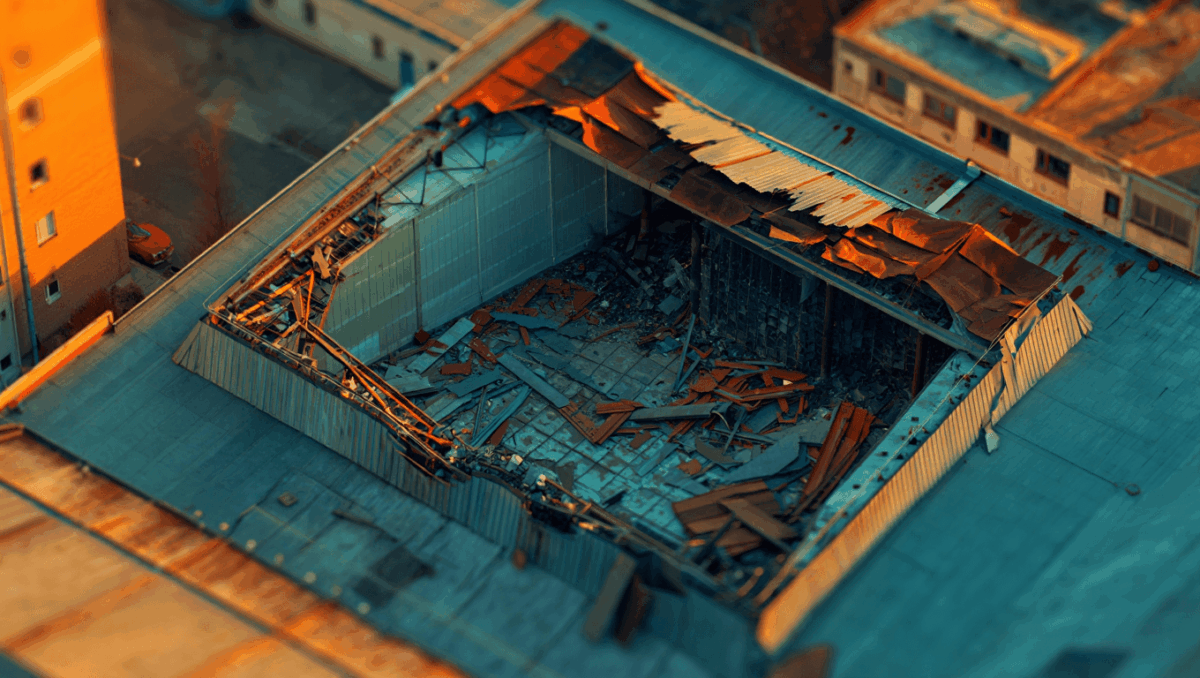
Chernobyl disaster shelter can no longer block radiation effectively following a devastating Russian drone strike in February 2025. The UN’s atomic energy watchdog confirms the New Safe Confinement structure has lost its primary safety function. International experts warn this creates unprecedented risks for the world’s most contaminated nuclear site.
🔥 Quick Facts
- February 14, 2025 – Russian “Geran-2” drone pierced large hole through steel shelter roof
- 50% of north roof structure suffered severe damage affecting crane systems and cladding material
- €1.5 billion ($1.7 billion) protective structure designed to last 100 years now compromised
- December 2025 – IAEA officially confirms shelter lost containment capability after inspection
How the New Safe Confinement Failed
Intuit emerges as best software stock for 2026 while stock crashes to bargain levels analysts didn’t expect
2026 tax brackets shock Americans with hidden paycheck truth nobody expected
The New Safe Confinement (NSC) was built to contain radiation from the damaged Reactor 4 where the 1986 disaster occurred. This €1.5 billion structure was hauled into place on specialty tracks and completed in 2019 through a Europe-led international initiative. It was supposed to protect Ukraine and neighboring countries for a century.
In February 2025, a Russian drone strike designed to penetrate heavy structures pierced the shelter’s outer steel cladding and roof. The impact created a massive hole, triggered fires in the outer coverings, and damaged critical components including the internal crane system. Approximately 50 percent of the north roof structure sustained severe damage from the strike.
Marcus Lemonis takes CEO role at Bed Bath & Beyond with $25M cost-cutting plan and watch what industry experts are saying about his next move
SPX surges 34 points at open with shocking tech recovery, here’s what caused the unexpected Venezuela rally
The IAEA’s inspection teams found degradation extending beyond surface damage. The structural integrity issues prevent the shelter from performing its essential job: confining radioactive waste inside rather than allowing atmospheric escape.
Radiation Containment Crisis Unfolds
International Atomic Energy Agency (IAEA) inspectors assessed the damage in early December 2025 and made alarming findings public. The protective shield, which was engineered to be a modern barrier against radiation escape, can no longer provide its main containment function. The UN watchdog stated this represents a significant regression in nuclear safety at the site.
Currently, radiation levels remain normal and stable, and the UN confirmed in February there were no immediate reports of radiation leaks following the initial strike. However, experts emphasize that the structural compromise creates vulnerability. The damaged shelter now leaves radioactive material inside exposed to weather, environmental elements, and potential further military action.
Ukrainian plant director reports the facility could face complete structural collapse if subjected to additional Russian strikes. The damaged crane systems also mean major repairs cannot be executed safely or efficiently. Winter weather and precipitation now present additional contamination risks the structure cannot mitigate.
Global Nuclear Safety and Economic Implications
| Factor | Status |
| Original Structure Cost | €1.5 billion (completed 2019) |
| Design Lifespan | 100 years |
| Damage Date | February 14, 2025 |
| Current Radiation Status | Normal levels (no detected leaks) |
| Primary Safety Function | Lost – radiation containment compromised |
The shelter’s failure represents a major setback for international nuclear safety protocols established after 1986. Major conventions on nuclear safety, early notification systems, and emergency assistance were implemented precisely to prevent scenarios like this. The drone strike circumvented these protections entirely.
Ukraine has called for international demilitarization of the Chernobyl site under UN protection. Nuclear experts stress that military activity at world’s most contaminated facility violates fundamental international safety principles. The exclusion zone should not become a combat zone where critical infrastructure faces bombardment.
What Happens If the Shelter Collapses?
If the damaged New Safe Confinement experiences structural failure from weather exposure or further military strikes, radioactive particles could disperse into the atmosphere. The 1986 disaster released at least 5 percent of the reactor’s radioactive core into the environment and contaminated large areas across Europe.
Scientists warn that containment failure would not cause an explosion like 1986, but could result in environmental radioactive contamination spreading to Ukraine, Poland, and other European nations. Cleanup and decontamination efforts would cost billions and take decades. The psychological impact on global nuclear energy support would be severe.
Major repair work requires specialist teams, heavy equipment, and extended safety protocols. The damaged crane systems inside the shelter mean contractors cannot easily access and fix structural problems. Winter conditions and ongoing military threats further complicate intervention efforts.
Can the Chernobyl Disaster Shelter Be Fixed Before Another Strike?
Major repairs to the New Safe Confinement structure face significant obstacles. First, the damaged internal crane system must be restored before large-scale repairs can begin. This requires international technical expertise, funding, and security guarantees. Second, the ongoing military situation prevents deployment of construction teams and heavy machinery.
Ukrainian officials have requested international protection and demilitarization of the site under UN auspices. The shelter would require months or years of intensive reconstruction work to restore its containment capability. Meanwhile, with compromised integrity and approaching winter, environmental conditions worsen daily.
The IAEA has called for immediate action but acknowledged the military and political barriers to implementing repairs. European allies have committed support, but operations cannot proceed safely while the facility remains a potential military target. This deadlock leaves the world’s most dangerous nuclear site inadequately protected indefinitely.
Sources
- BBC News – December 7 2025 – Comprehensive IAEA assessment of shelter damage and safety implications
- The Guardian – December 6 2025 – Detailed reporting on drone strike damage and shelter structural analysis
- Reuters – December 6 2025 – UN nuclear watchdog findings on containment function loss

Patrick Graham is a business and finance journalist translating Wall Street’s complexities into stories that matter to everyday readers. With extensive experience in financial journalism and economic analysis, this expert journalist provides sharp insights on market trends, corporate developments, and the economic forces affecting daily life. His reporting helps readers make sense of the business world’s biggest moves.