
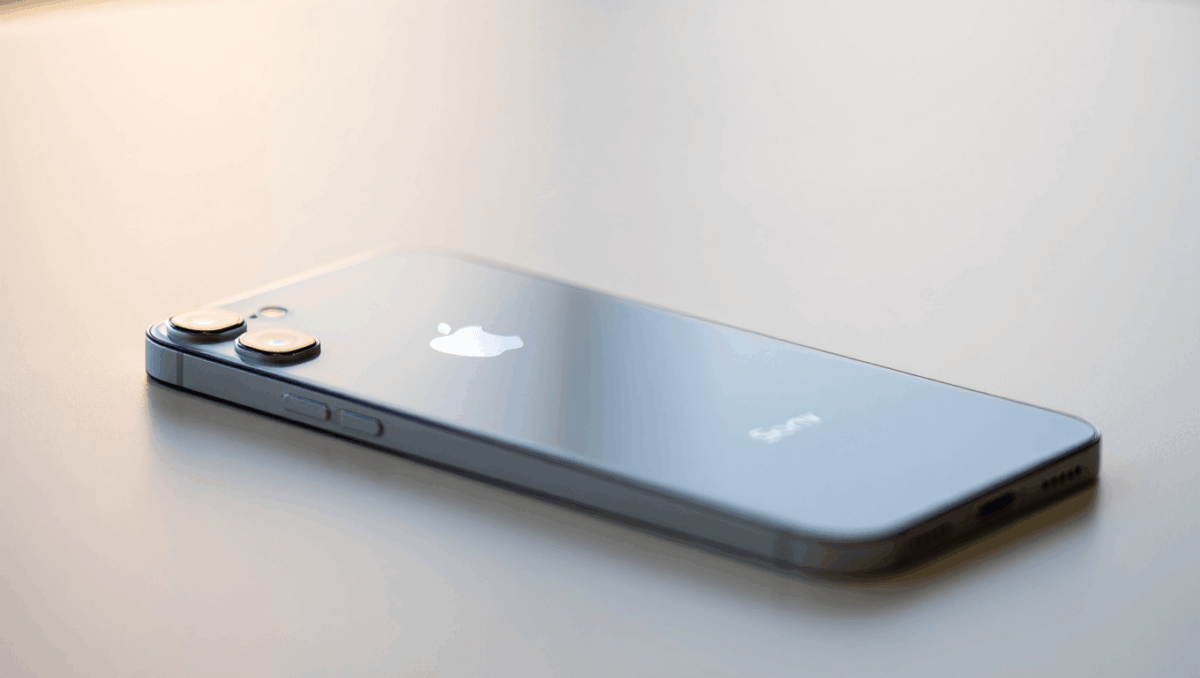
Apple’s iPhone Air 2 is back on track for a fall 2026 launch, according to a new leak that reverses earlier speculation about the device being postponed. The second-generation model ditches the original’s single-camera limitation by adding a dual-camera system, addressing the biggest complaint from users who missed the versatility of multiple lenses. This significant redesign suggests Apple is committed to making the slimmer iPhone line a permanent cornerstone of its lineup.
🔥 Quick Facts
- Weibo leaker Fixed Focus Digital confirms the iPhone Air 2 will debut at Apple’s fall 2026 event, typically held in September
- Dual 48MP rear camera system replaces the single lens, likely featuring a main and ultra-wide configuration
- Reports indicate larger battery capacity, vapor chamber cooling, and a lower price point than the original iPhone Air
- The horizontal camera layout will be retained, maintaining the first-generation design aesthetic while adding functionality
Why the iPhone Air 2 Survived the Postponement Rumor
TurboTax Expert Full Service opens January 5, 2026, and what new tax law changes mean for your refund will surprise you
Intel stock soars 4% at open with analyst predicting $50 target, here’s why Panther Lake launch today changes everything
Earlier reports suggested Apple had abandoned plans for a 2026 iPhone Air 2, with some sources claiming the device would be delayed to 2027 or cancelled entirely. However, Fixed Focus Digital, a Weibo-based leaker with established credibility, recently refuted these claims and confirmed that the iPhone Air 2 remains part of Apple’s roadmap for fall 2026.
The company apparently plans to showcase the iPhone Air 2 alongside other flagship models at its traditional September event. This follows Apple’s successful debut of the original iPhone Air in 2025, which positioned itself as an ultra-thin alternative between the standard iPhone and the Pro variants. The second iteration appears designed to address the most vocal criticisms of its predecessor.
Dual Camera Setup Marks a Major Design Change
Samsung Galaxy S26 Ultra drops at $1,299 but kept one jaw-dropping feature completely secret until February 25
CES 2026 unveils $99 AI memory wearable and smart glasses that finally look normal, but Samsung’s 6K 3D display will blow your mind
The most significant upgrade to the iPhone Air 2 is the addition of a second rear camera. The original iPhone Air featured only a 48MP Fusion Main camera, which limited zoom capabilities and wide-angle photography. The iPhone Air 2 reportedly includes dual 48MP sensors, with the second lens functioning as an ultra-wide camera.
This configuration would allow users to capture sweeping landscape shots and group photos without the digital zoom limitations of a single lens. Photography enthusiasts have consistently cited the lack of ultra-wide functionality as their primary reason for choosing the iPhone Pro models instead, giving Apple a clear opportunity to win back this segment with the iPhone Air 2.
Apple intends to maintain the distinctive horizontal camera layout introduced with the original iPhone Air, which sets it apart visually from the vertically-aligned Pro models. This design choice balances aesthetics with practicality while preserving the phone’s characteristic thin profile.
| Feature | Expected Specs |
| Display | 6.5-inch Super Retina XDR, 460 ppi |
| Rear Cameras | Dual 48MP (Main + Ultra-wide) |
| Thickness | 5.6mm (maintains ultra-thin design) |
| Processor | A19 Pro or next-gen chip |
| Battery | Larger capacity with vapor cooling |
| Expected Price | Lower than original iPhone Air |
Addressing User Demand With Strategic Improvements
Apple’s strategy for the iPhone Air 2 appears designed to learn from the original model’s performance in market feedback. Users who chose iPhone Pro models frequently cited the need for multiple camera lenses, while the base and standard iPhone lineups offered better value. The iPhone Air was intended to occupy the middle ground, but it fell short for photography-focused buyers.
Beyond cameras, iPhone Air 2 rumors indicate Apple plans to boost the battery capacity using advanced vapor chamber cooling technology. This thermal management improvement would allow the device to maintain its svelte 5.6mm profile while supporting larger batteries and sustaining better performance during extended use or gaming sessions.
The reported lower price point compared to the original iPhone Air could also reshape Apple’s lineup. A more affordable ultra-thin option with dual cameras would create compelling competition for users evaluating iPhone 18 standard models, potentially capturing more of the mid-range market while maintaining premium brand positioning.
What’s the Biggest Mystery About the iPhone Air 2’s Timeline?
While Fixed Focus Digital confirmed the fall 2026 announcement, questions remain about whether the iPhone Air 2 will launch immediately or shift to early 2027. Some reports suggest Apple might announce the device in September 2026 but begin sales in the first quarter of the following year, to avoid overwhelming production lines with multiple flagship releases.
Apple’s recent product strategy often involves staggered launches, with iPhone Pro models arriving in September and mid-range or specialized variants following in October, November, or later. The iPhone Air 2 could follow this pattern, or it might launch during the fall iOS event to capitalize on the peak smartphone selling season. Fan communities and tech analysts will scrutinize Apple’s announcement carefully when September arrives.
Sources
- MacRumors – Coverage of Fixed Focus Digital’s Weibo leak about 2026 launch timing
- GSMArena – Technical details and camera system specifications from multiple sources
- 9to5Mac – Industry analysis of Apple’s product roadmap and strategic positioning

Lee Ann Anderson is a technology journalist specializing in consumer tech, digital innovation, and Silicon Valley trends. With a talent for breaking down complex technical concepts into accessible insights, this skilled journalist keeps readers informed about the gadgets, apps, and breakthroughs shaping our digital future. Her coverage bridges the gap between tech enthusiasts and everyday users.