
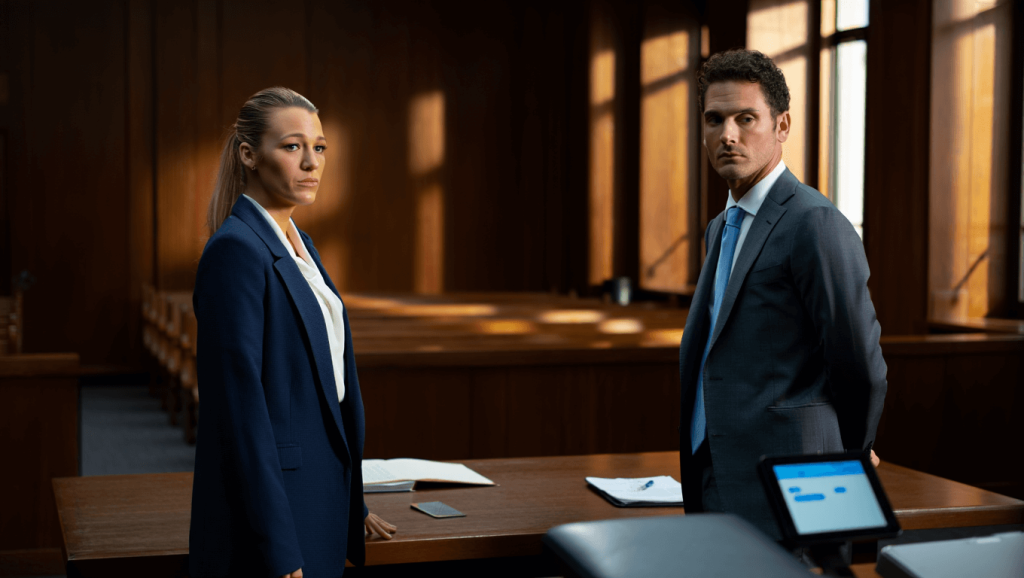
Blake Lively’s legal team exposed auto-deleted messages allegedly used by Justin Baldoni. Court filings dated Oct. 22 claim Signal app communications were destroyed deliberately. The allegations escalate an already intense sexual harassment lawsuit. Trial is scheduled for March 2026 in New York.
Powerball winner scoops $1.817 billion on Christmas Eve, what happens next will change their life forever
Zendaya shuts down pregnancy rumors after viral London outing with Tom Holland goes too far—here’s what she actually said
🔥 Quick Facts:
- Lively’s team filed evidence destruction allegations on October 22, 2025.
- Signal app allegedly used to discuss and delete campaign messages automatically.
- Baldoni’s team filed over 12 discovery motions related to document production.
- Voice memos were also deleted to hide alleged communications.
- Trial begins March 9, 2026 with Judge Lewis Liman overseeing the case.
What Happened in the Latest Filing
Blake Lively’s legal team submitted a 30-page memorandum on October 22. The filing claims Baldoni’s camp deliberately used technology to hide evidence. Signal, a messaging app with auto-delete settings, was their weapon.
Arkansas lottery wins $1.817 billion Powerball jackpot on Christmas Eve, here’s what happens to the money
Powerball winner scoops $1.817 billion jackpot on Christmas Eve, but nobody knows who they are yet
According to court documents, Baldoni, his production company Wayfarer Studios, and publicists Melissa Nathan and Jennifer Abel orchestrated the strategy. The filing states they anticipated litigation by August 2024 yet continued using encryption tools. Voice memos were also allegedly destroyed in real time.
“Defendants have hid the ball at every turn in the discovery process, either failing to produce documents, or improperly cloaking them in the attorney-client privilege, forcing no less than twelve discovery-related motions.”
Kristin Tahler, attorney for third-party defendant Stephanie Jones, made a damning statement. She declared Jennifer Abel conspired with Baldoni and Wayfarer while keeping Jones in the dark. The allegations paint a picture of intentional cover-up.
Why This Matters to the Case
Evidence destruction allegations carry serious legal consequences. Judges typically issue adverse inference orders when they find evidence tampering. This means the court can assume destroyed evidence was damaging to the defendant. It’s a powerful weapon for Lively’s team.
The timing makes this explosive. Depositions closed recently, giving Lively’s attorneys fresh information. Ex-employees from Nathan’s PR firm came forward with details about Signal usage. The case has already consumed millions in legal fees.
Your understanding of this case depends on what evidence exists. If Baldoni’s team deleted communications, it raises questions about what they were hiding. The legal system treats destroyed evidence as potentially incriminating. Judges don’t look kindly on attempts to obstruct discovery.
The Alleged Smear Campaign Details
Lively’s original complaint claimed Baldoni orchestrated a targeted campaign to damage her reputation. Court filings from months earlier already revealed text messages discussing strategy. The focus centered on making Lively appear like an “insufferable elitist.”
| Timeline | Event |
|---|---|
| August 2024 | It Ends with Us premiered; online backlash against Lively began. |
| December 2024 | Lively filed complaint with California Civil Rights Department. |
| June 2025 | Baldoni’s $400 million defamation lawsuit was dismissed. |
| October 22, 2025 | Evidence destruction allegations filed in court. |
| March 9, 2026 | Trial is scheduled to begin in New York. |
The smear campaign allegedly continued even after Lively filed her official complaint. Baldoni’s team claims the negative reaction was “organic” from regular people who disliked her. However, court documents suggest otherwise based on depositions from witnesses.
Depositions wrapped up recently with participation from major figures. Jenny Slate, Colleen Hoover, and others gave testimony. These depositions revealed the Signal app strategy that Lively’s team is now highlighting.
What to Watch For
Several critical developments could reshape this case before trial:
- Judge Lewis Liman’s ruling on the adverse inference motion. Will he punish Baldoni for evidence destruction?
- Baldoni’s response to the allegations. His legal team must address the Signal app claims with their own evidence.
- Additional witness testimony. More depositions could surface more damaging information about communication methods.
- Settlement negotiations. The case costs are mounting, putting pressure on both sides to settle.
- Media impact. Public opinion continues to influence how Hollywood views the legal outcome.
Can Baldoni Recover from These Allegations?
Evidence destruction accusations are difficult to overcome in civil litigation. Courts take document preservation seriously. Baldoni’s defense has already weakened with his dismissed $400 million lawsuit. The adverse inference ruling could seal his fate.
Lively’s team presented a clear legal argument. They documented that Baldoni anticipated litigation yet used auto-deleting apps. This isn’t accidental. The pattern suggests intentional destruction. Judge Liman must decide if the evidence supports this.
Baldoni’s lawyers haven’t responded publicly to these latest accusations. Melissa Nathan, his publicist, declined comment to media outlets. Silence can be interpreted as admission in some legal circles. The case heading toward March 2026 carries massive implications for both parties. What hidden messages did Baldoni’s team really want to keep secret from the court?
Sources
- Deadline – Court filings detail alleged auto-deleted Signal communications and evidence destruction claims.
- ABC News – Timeline of legal developments and court proceedings with Judge Lewis Liman.
- Wikipedia – Comprehensive overview of the It Ends with Us controversy and legal battle details.
Daniel Harris is a specialist journalist focused on the crossroads of breaking news, extraordinary history, and enduring legends. With a background in historical research and storytelling, he blends timely reporting with timeless narratives, making complex events and ancient myths resonate with today’s readers. Daniel’s work often uncovers surprising links between present-day headlines and legendary tales, offering unique perspectives that captivate diverse audiences. Beyond reporting, he is passionate about preserving oral traditions and exploring how extraordinary stories continue to shape culture and identity.