
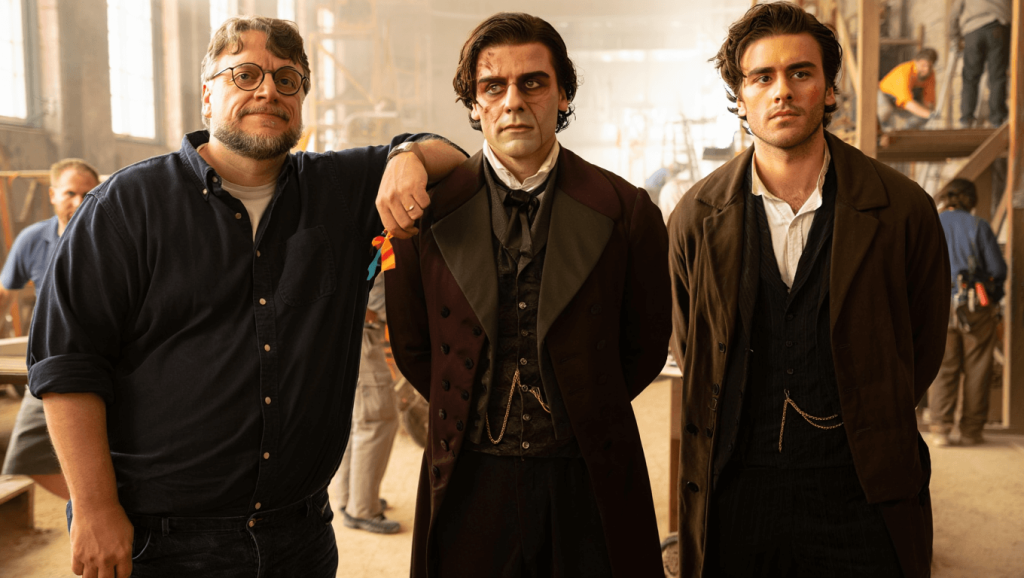
Guillermo del Toro’s Frankenstein has hit 86% on Rotten Tomatoes. The director refuses AI entirely in his film. Oscar Isaac stars as Victor Frankenstein. Jacob Elordi plays the creature in this gothic reimagining. Netflix releases it on November 7, 2025.
Powerball winner scoops $1.817 billion on Christmas Eve, what happens next will change their life forever
Zendaya shuts down pregnancy rumors after viral London outing with Tom Holland goes too far—here’s what she actually said
🔥 Quick Facts:
- 86% on Rotten Tomatoes from 198 reviews at time of writing
- Del Toro says he’d “rather die” than use generative AI tools
- 149-minute runtime with stunning visual craft throughout
- Limited theatrical release on Oct. 17, 2025 ahead of Netflix debut
- Jacob Elordi’s performance widely praised by critics as haunting
What Happened with Del Toro’s Vision
Director Guillermo del Toro finally brought his decades-long passion project to life. He’s wanted to adapt Mary Shelley’s classic novel since the early 2000s. The film premiered at Venice Film Festival in late August. Now it’s rolling out globally.
Arkansas lottery wins $1.817 billion Powerball jackpot on Christmas Eve, here’s what happens to the money
Powerball winner scoops $1.817 billion jackpot on Christmas Eve, but nobody knows who they are yet
Del Toro has made a distinctly personal version of the tale. He filmed entirely with practical sets and real actors. He refused all digital shortcuts and AI assistance. The creature design draws inspiration from phrenology manuals. Every frame carries his signature visual style.
“Art is not only necessary, it is urgent. And AI can go f*ck itself!”
The 86% rating reflects strong critical consensus. Critics praise the film’s visual beauty and emotional depth. Jacob Elordi’s performance particularly stands out as transformative. Many reviewers call it a triumph of practical moviemaking.
Why This Frankenstein Matters Right Now
In an era of AI-generated art and shortcuts, del Toro’s stance feels radical and necessary. He embraced traditional filmmaking craftsmanship entirely. He employed hundreds of artisans building sets and props by hand. Every costume was meticulously designed.
This creates a stark contrast with industry trends. Studios increasingly rely on digital effects and generative tools. Del Toro rejected that path completely. He stated plainly that he’d “rather die” than use AI. His film becomes a statement about artistic integrity.
For movie lovers, this approach resonates powerfully. The 86% Rotten Tomatoes score validates his philosophy. Critics consistently mention the film’s tactile, handmade beauty. This suggests audiences crave authentic craftsmanship. The film proves passion projects can still succeed commercially.
The creature portrayed by Elordi carries genuine emotional weight. Unlike CGI monsters, this performance breathes with humanity. Audiences connect with something real. Critics note this authenticity separates the film from modern blockbusters.
Key Production Details and Cast Table
The film marks del Toro’s most ambitious adaptation to date. He wrote and directed the project. Netflix funded it as an exclusive original film. The cast brings serious dramatic talent to the gothic story.
| Detail | Information |
|---|---|
| Director | Guillermo del Toro |
| Victor Frankenstein | Oscar Isaac |
| The Creature | Jacob Elordi |
| Supporting Cast | Mia Goth, Christoph Waltz, Charles Dance |
| Runtime | 149 minutes |
| Rating | Rated R (bloody violence, grisly images) |
| Rotten Tomatoes | 86% (based on 198 critic reviews) |
| Theatrical Release | October 17, 2025 (limited) |
| Netflix Premiere | November 7, 2025 |
The 149-minute runtime reflects del Toro’s comprehensive vision. He resisted trimming scenes for time. Critics note the length becomes immersive rather than burdensome. The film invites viewers into a fully realized gothic world.
What Critics Are Saying About Del Toro’s Approach
- Visually stunning with intricate production design and cinematography
- Jacob Elordi steals the show with a haunting, sympathetic creature portrayal
- Explores themes of fatherhood, forgiveness, and what makes us human
- Some felt the pacing slowed in places despite emotional payoffs
- Practical effects and handmade craft elevate the gothic atmosphere significantly
Will Guillermo del Toro’s Principles Change Hollywood Forever?
Del Toro’s uncompromising stance raises important questions about filmmaking’s future. Can artistic excellence coexist with technological convenience? His film suggests the answer is yes. The 86% score proves audiences reward such commitment.
The film premiered in August 2025 at a major film festival. It received standing ovations. Critics noted its emotional resonance surprised them. Some expected visual spectacle but found genuine storytelling depth instead.
The director’s comments about AI went viral across social media. Many filmmakers and creatives echoed his position. His work demonstrates that refusing shortcuts can actually enhance artistic integrity. The creature designed by hand carries far more presence than CGI might.
Jacob Elordi’s performance benefited from this practical approach too. He performed many scenes in costume and makeup. The tactile reality gave him genuine emotional stakes. His vulnerability feels earned, not simulated.
Netflix released footage showing the behind-the-scenes work. Hundreds of craftspeople built sets and props. The production design took months of meticulous labor. This dedication shows onscreen in every frame.
Can this film inspire a broader shift away from digital shortcuts? It’s too early to say. What’s clear: del Toro proved his philosophy works commercially. The 86% Rotten Tomatoes rating vindicates his approach completely. Audiences clearly respond to authentic craftsmanship. Will Hollywood listen to that message?
Sources
- NPR Fresh Air – Interview with Guillermo del Toro, October 23, 2025
- Rotten Tomatoes – Frankenstein reviews and critical consensus score
- Hollywood Reporter – Critical reviews roundup from Venice premiere

Daniel Harris is a specialist journalist focused on the crossroads of breaking news, extraordinary history, and enduring legends. With a background in historical research and storytelling, he blends timely reporting with timeless narratives, making complex events and ancient myths resonate with today’s readers. Daniel’s work often uncovers surprising links between present-day headlines and legendary tales, offering unique perspectives that captivate diverse audiences. Beyond reporting, he is passionate about preserving oral traditions and exploring how extraordinary stories continue to shape culture and identity.