
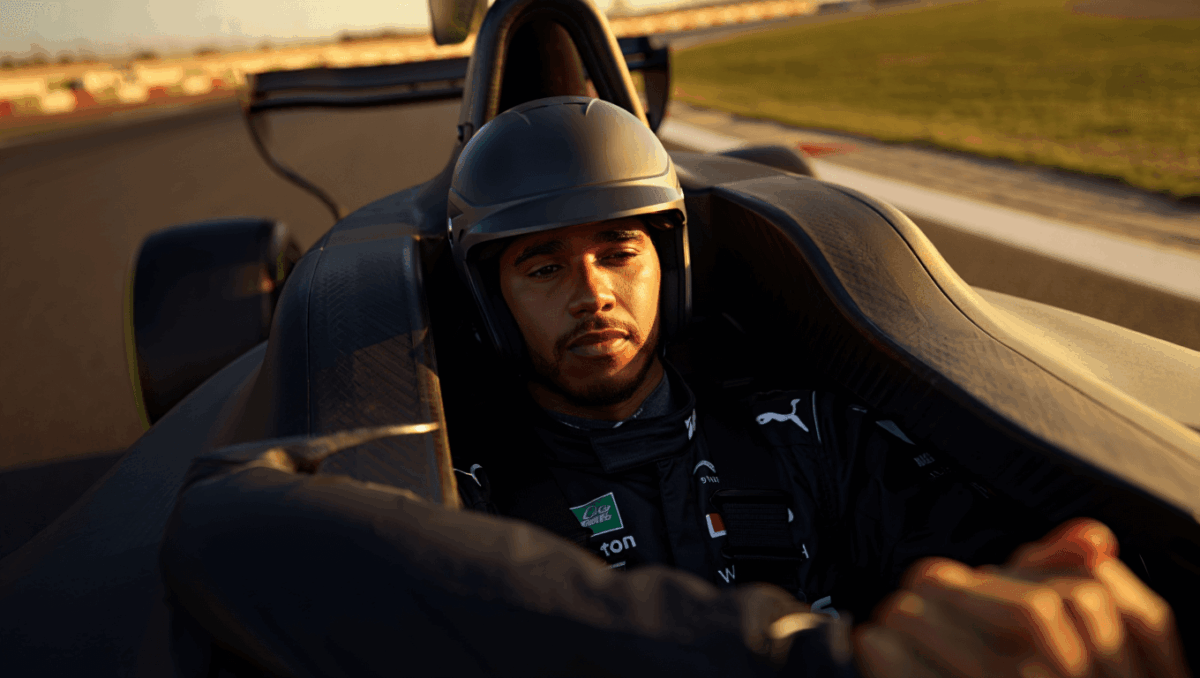
The 2026 F1 schedule officially kicks off a dramatic transformation for the sport. With 24 races spread across the calendar from March to December, major technical regulation overhauls, and an exciting debut in Spain’s capital at the new Madring circuit, next season promises to reshape how Formula 1 competes at the highest level.
🔥 Quick Facts
- 24 races confirmed for the 2026 season running through December
- Season opens March 6-8 at the Australian Grand Prix in Melbourne
- Madrid debuts September 11-13 on the revolutionary Madring circuit
- Power units feature 50/50 split between combustion and electric engines
2026 F1 Schedule Expands with Record-Setting Calendar
Cagliari faces Lecce tonight in Serie A showdown, Rossoblu seek top-half push
Girona faces Barcelona tonight in La Liga showdown, Barcelona chases lead
Formula 1 returns to the 24-race format, matching the record set in previous years. The season stretches across 10 months, beginning in Melbourne and concluding in Abu Dhabi on December 4-6. This calendar expansion reflects growing global demand for Formula 1 racing and solidifies the sport’s presence across multiple continents.
Spring racing kicks off in Australia then moves through China, Japan, and the Middle East in rapid succession. Summer months feature the traditional European strongholds including Monaco, Barcelona, and the British Grand Prix at Silverstone. Teams and drivers will face fewer break weeks between races, demanding peak physical and mental conditioning throughout the campaign.
| Race Region | Key Dates | Notable Features |
| Opening (Mar) | March 6-8 | Australian Grand Prix in Melbourne |
| Summer (Jul) | July 3-5 | British Grand Prix at Silverstone |
| Madrid Debut | Sep 11-13 | New hybrid street-circuit location |
| Finale (Dec) | Dec 4-6 | Abu Dhabi season championship |
Madrid’s Madring Circuit Brings Urban Excitement to F1
East Texas A&M faces Southeastern in Family Fun Day matchup today
Macclesfield faces Brentford tonight in FA Cup fourth-round showdown
Spain’s capital makes motorsport history with the Madring, a cutting-edge circuit replacing Barcelona’s traditional track. Located in the IFEMA area near Madrid-Barajas airport, this 5.4-kilometer track combines street and permanent sections for a unique racing experience. The 22-corner layout features technically demanding slow and high-speed sequences alongside smooth transitions.
The circuit’s signature element is La Monumental, an extremely banked corner designed for thrilling overtaking opportunities. This banking will test both driver skills and car setup capabilities in ways traditional circuits cannot match. The hybrid design—mixing public roads with purpose-built facilities—represents a modern approach to grand prix hosting that cities worldwide now want to replicate.
Madrid’s September 11-13 dates position the race perfectly in the season midpoint, creating championship momentum heading toward the final flyaway races. The Spanish Grand Prix move from Barcelona reflects F1’s desire to keep circuits fresh and exciting while expanding the sport’s geographical footprint across Europe’s major capitals.
Revolutionary Technical Regulations Transform 2026 Competition
The 2026 F1 regulations represent the most significant technical overhaul in years, reshaping how teams design and operate their machines. The power unit revolution mandates a 50/50 split between internal combustion engines and electric motors, fundamentally changing the hybrid balance that governed recent seasons. This delivers superior electrical power—triple what current regulations allow—creating a remarkable performance equilibrium.
Cars shrink dimensions overall, becoming more nimble and agile compared to current specifications. Smaller, lighter machines promise improved maneuverability through technical sequences while reducing overall costs for teams investing in new chassis platforms. The power reduction in combustion engines from over 900 horsepower to approximately 400 kilowatts compensates through electrical system increases, ensuring racing excitement remains constant.
Active aerodynamics replace the controversial DRS system entirely. Front and rear wings now feature movable elements activating in two configurations—maximum downforce corners using Z-mode for enhanced grip, and straightaway efficiency reducing drag for top speed. This technology promises more spectacular racing on diverse circuit types without artificial overtaking systems.
Aerodynamic Changes Reshape Driver Strategy and Overtaking
The elimination of DRS marks a watershed moment in Formula 1 design philosophy. Rather than a single push-to-pass button, teams engineer dynamic wing adjustments responding to racing conditions in real-time. This demands sophisticated engineering but removes the sometimes-artificial nature of previous overtaking mechanics that frustrated purists.
Drivers will experience two distinct car personalities—aggressive corner-hunting configurations versus high-speed efficiency modes on straights. Managing these settings requires fresh tactical thinking throughout qualifying and races. The technical complexity increases substantially for engineering teams, but the competitive on-track product should reward skill, strategy, and nerve more than any artificial advantage system.
Smaller overall dimensions combined with active aero create vehicles that should generate more thrilling visual moments. The cars will feel sharper, more responsive, and more connected to driver inputs—characteristics that legendary Formula 1 figures have long advocated for in the sport’s regulations.
What Does 2026 Mean for Teams, Drivers, and Fans?
The 2026 season represents both opportunity and challenge across the sport. New engine suppliers entering the grid (including Audi’s full works program) alongside established manufacturers will create unpredictable competitive hierarchies. Traditional powerhouses face the simultaneous task of mastering new chassis philosophies while integrating fresh power unit partnerships.
Drivers must completely relearn car behavior in this radically different environment. Brake feel, corner-entry characteristics, and overall ergonomics change dramatically with smaller, lighter machines featuring active aerodynamic systems. The learning curve will extend through early-season races, potentially reshaping expected championship favorites within the first few rounds.
Fans should anticipate several fascinating storylines beyond pure racing. Budget considerations matter significantly as teams manage investment between new regulations and cost-control frameworks. Driver-pairing decisions become more fluid as teams reshape lineups around 2026 capabilities. The dramatic calendar spread across 24 races guarantees sustained global interest with fewer interruptions between races.
Will the 2026 F1 Schedule Deliver the Excitement Sport Demands?
Everything points toward an extraordinary 2026 season balancing unpredictability with legitimate competitive racing. The calendar offers no weak dates—every circuit from Melbourne to Abu Dhabi presents distinct challenges requiring teams to constantly adapt strategies and setups. The Madrid addition brings prestige and urban excitement while removing a venue that some critics felt had dominated the calendar excessively.
New regulations coupled with fresh supplier relationships create genuine uncertainty about which teams will lead the field. This unpredictability historically generates the most gripping Formula 1 championships. If active aerodynamics function as designers intended, overtaking should improve without sacrificing competitive balance. The 50/50 power split creates genuinely interesting technical chess between traditional engine manufacturers and new entrants.
For viewers, 2026 promises transformation at every level—calendar depth, circuit novelty, technical intrigue, and competitive drama all converge. Whether this delivery exceeds sky-high expectations remains to be seen when cars finally roll onto Melbourne’s streets in March.
Sources
- Formula1.com – Official 2026 calendar, race schedule, and technical specifications
- Sky Sports F1 – Comprehensive 2026 regulation analysis and engineering insights
- ESPN – Circuit design details and championship structure explanations

Michael Brown is a seasoned sports journalist bringing years of experience covering professional athletics and sporting culture. With a keen eye for breaking stories and player dynamics, this veteran journalist delivers in-depth analysis and exclusive insights from the world’s biggest sporting events. His passion for the game shines through in every story, keeping fans connected to the action both on and off the field.