
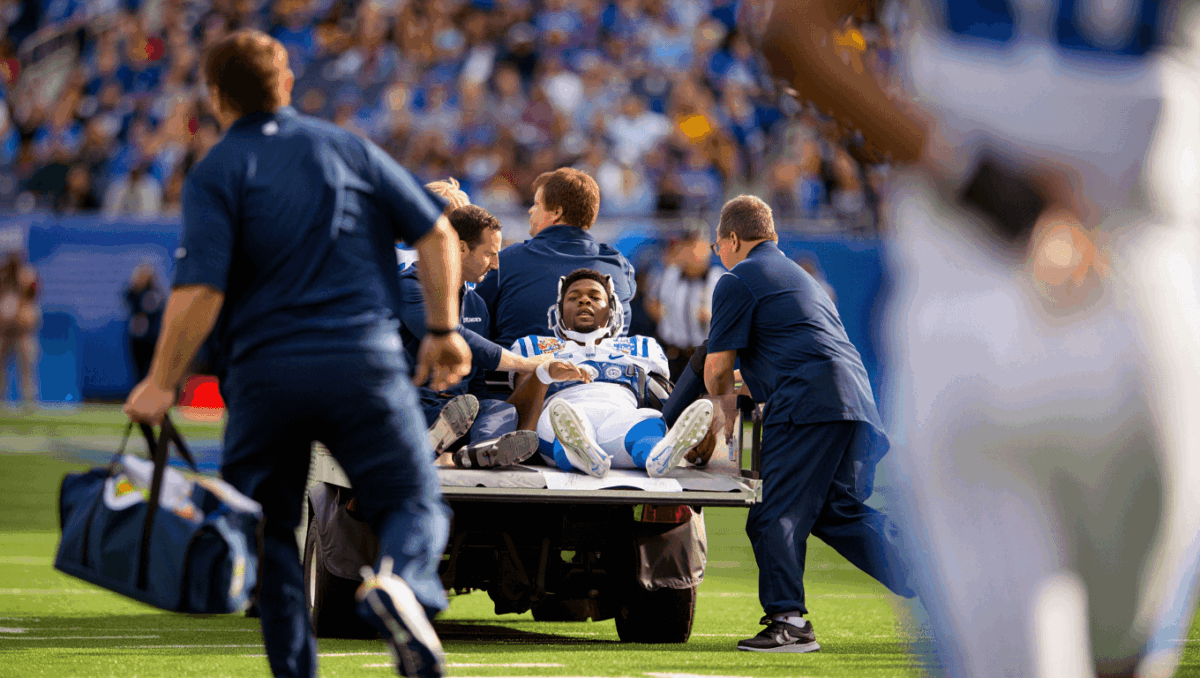
A Rice player suffered a serious neck injury during the Armed Forces Bowl against Texas State on January 2, 2026, forcing medical personnel to halt play and carefully remove the athlete from the field. The incident highlighted the ever-present risks in college football, with both teams pausing to support the injured player.
🔥 Quick Facts
- Halftime Score: Texas State leading 10-7 over Rice when injury occurred
- Injury Timing: Occurred midway through the third quarter at Amon G. Carter Stadium in Fort Worth
- Medical Response: Medical personnel and medical cart deployed to safely remove athlete from field
- Game Impact: Both teams showed support as play was halted for proper injury management protocols
Serious Injury Stops Play in College Football Bowl Game
Cagliari faces Lecce tonight in Serie A showdown, Rossoblu seek top-half push
Girona faces Barcelona tonight in La Liga showdown, Barcelona chases lead
During the Lockheed Martin Armed Forces Bowl, play came to a complete halt when a Rice Owls player went down with a significant neck injury during the third quarter. The moment required immediate medical attention from the university’s athletic training staff.
The incident unfolded as both teams were competing at Amon G. Carter Stadium in Fort Worth, Texas. Medical personnel quickly responded to the scene, assessing the player and determining that a medical cart was necessary for safe transport from the field. The careful handling of neck injuries reflects modern college football’s commitment to player safety protocols.
Medical Personnel Respond with Proper Protocols
East Texas A&M faces Southeastern in Family Fun Day matchup today
Macclesfield faces Brentford tonight in FA Cup fourth-round showdown
College football programs maintain strict injury management procedures for serious head and neck injuries. When the Rice player went down, athletic medical staff immediately began assessment and stabilization procedures before transporting the athlete off the field.
The presence of a medical cart underscores the importance of preparedness at bowl games. Major NCAA events like the Armed Forces Bowl have comprehensive medical support on hand, including physicians, athletic trainers, and emergency equipment. The third quarter incident required the full deployment of these resources to ensure the player received appropriate care.
| Aspect | Details |
| Event | Lockheed Martin Armed Forces Bowl |
| Date | January 2, 2026 |
| Location | Amon G. Carter Stadium, Fort Worth, Texas |
| Injury Type | Neck Injury |
| Removal Method | Medical Cart |
Understanding Neck Injury Protocols in College Football
Neck injuries represent one of the most serious medical concerns in football. Athletic trainers are trained to immobilize the cervical spine, restrict movement, and transport the player with extreme caution. These protocols exist to prevent secondary injury and ensure proper medical evaluation.
The Rice player injury during the Armed Forces Bowl follows established NCAA guidelines for head and spine injury management. Programs conduct regular training and drills to ensure their medical teams can respond effectively when these situations arise. The game’s stoppage demonstrated the sport’s commitment to prioritizing athlete wellbeing above all else.
“Medical personnel and a medical cart have come onto the field to safely remove the player, as it was a neck injury. We hope he is okay and recovers.”
— VAVEL Sports Coverage, Game Commentary
What Happens Next for the Injured Player and Rice Football?
Following removal from the field, the athlete would undergo immediate medical evaluation to determine the extent of the injury. This typically includes neurological assessment and imaging studies like X-rays or MRI scans to rule out fractures, dislocations, or spinal cord damage.
The recovery timeline for neck injuries varies significantly depending on severity. Some athletes experience minor strains requiring weeks of rehabilitation, while more serious injuries may sideline players for extended periods. The Rice football program’s medical team will continue monitoring the player’s condition closely and provide appropriate treatment.
Sources
- VAVEL Sports – Live coverage of Texas State vs Rice game
- ESPN – Armed Forces Bowl coverage and statistics
- Fox Sports – Game box score and updates

Michael Brown is a seasoned sports journalist bringing years of experience covering professional athletics and sporting culture. With a keen eye for breaking stories and player dynamics, this veteran journalist delivers in-depth analysis and exclusive insights from the world’s biggest sporting events. His passion for the game shines through in every story, keeping fans connected to the action both on and off the field.