
Fast food restaurants closing hundreds of locations before 2026 as major chains fight back against mounting financial struggles. The industry battle includes Wendy’s, Jack in the Box, Denny’s, and other legacy brands facing unprecedented pressures. Economic headwinds combined with changing consumer behavior creates a perfect storm for quick-service restaurants across America.
🔥 Quick Facts
- Wendy’s plans to close between 150 and 300 locations by the end of 2026, accounting for a significant portion of its US portfolio.
- Jack in the Box has already shut down more than 70 stores with 80 to 120 additional closures expected by December 31, 2025.
- Denny’s is closing up to 150 locations after filing bankruptcy and being purchased for $620 million.
- Multiple chains citing declining traffic, lower-income consumer pullback, and rising food and labor costs as primary drivers.
The Wave of Closures Reshaping the Fast Food Landscape
Intuit emerges as best software stock for 2026 while stock crashes to bargain levels analysts didn’t expect
2026 tax brackets shock Americans with hidden paycheck truth nobody expected
The fast food industry is experiencing an unprecedented wave of shutdowns. Wendy’s interim CEO Ken Cook announced in November that his company faces serious challenges requiring immediate restructuring. The chain’s sales have declined as lower-income consumers reduce their dining-out frequency.
Jack in the Box has been particularly aggressive with its retrenchment strategy. Having already closed more than 70 locations by December 24, 2025, the company plans even steeper cuts as the year ends. This represents roughly 10% of the chain’s total US restaurants facing elimination.
Burger Kings and Legacy Chains Hit Hardest by Economic Shift
Marcus Lemonis takes CEO role at Bed Bath & Beyond with $25M cost-cutting plan and watch what industry experts are saying about his next move
SPX surges 34 points at open with shocking tech recovery, here’s what caused the unexpected Venezuela rally
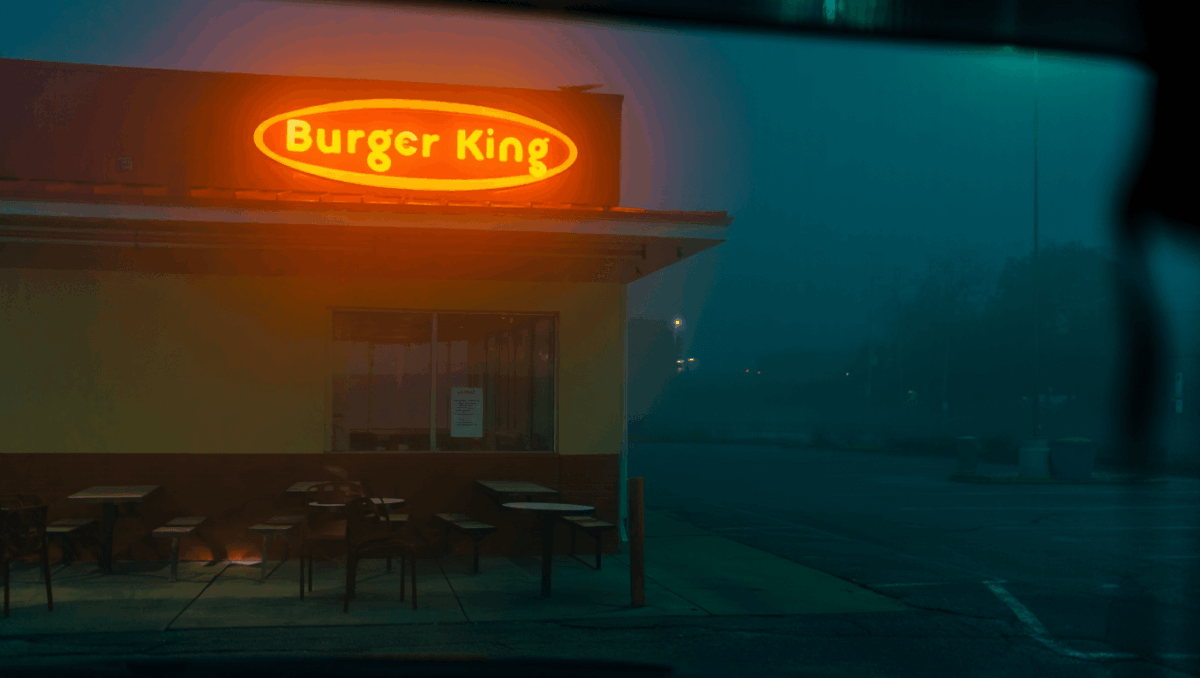
Burger King has not escaped this crisis. Multiple major franchise operators have filed for Chapter 11 bankruptcy, reflecting the broader financial pressures on the business model. The chain is closing more than 400 locations across the United States as part of its restructuring.
Denny’s confirmed it would close up to 150 locations by the end of 2025 following the restaurant group’s $620 million buyout. The acquisition was designed to stabilize the struggling casual dining brand, but store reductions appeared necessary to restore profitability. Management decided that fewer, higher-performing stores made more strategic sense than maintaining underperforming locations.
| Chain | Closures by End of 2025 | Closures Through 2026 |
| Jack in the Box | 80-120 | 150-200 total |
| Wendy’s | TBA | 150-300 total |
| Denny’s | Up to 150 | TBA |
| Burger King | Ongoing | 400+ total |
What’s Driving the Fast Food Industry Crisis
Three major factors are converging to force these unprecedented closures. First, lower-income consumers have dramatically reduced their fast food spending. As everyday meals that once cost $5 now exceed $10 or $12, price-sensitive customers are choosing home cooking instead.
Second, labor cost inflation and food commodities pricing have squeezed profit margins across the entire sector. Executive leadership teams are choosing store closures over maintaining unprofitable locations with high overhead.
Third, consumers are becoming more selective about where they spend limited dining dollars. Some location traffic has simply evaporated entirely. The combination means some restaurants cannot generate sufficient revenue to cover fixed costs.
Chains Adapting Faster Than Others in the Restructuring
Not all fast food companies are struggling equally. McDonald’s has managed to grow comparable sales by 2.4% in the US during fiscal 2025’s third quarter, with global sales rising 3.6%. The company’s premium brand positioning and successful digital ordering strategy appear to be helping it weather the downturn.
Subway has closed more than 3,000 locations over recent years, but many of these closures reflect a deliberate franchisee consolidation strategy. The shift toward ghost kitchens and delivery-only formats may ultimately prove more profitable than traditional brick-and-mortar locations.
What Does This Mean for Consumers and the Restaurant Industry Moving Into 2026?
Industry observers predict 2026 will bring continued consolidation and strategic repositioning. Chains will likely focus on their strongest demographic segments while abandoning markets with lower transaction volumes. Some locations will close permanently, while others will be reimagined as smaller-format stores.
Consumer prices may actually stabilize once the market shakes out underperforming units. Competition suggests that successful chains will push for operational efficiency rather than continuing price increases. The question remains whether the closures will be sufficient to restore industry profitability or if more painful restructurings lie ahead.

Patrick Graham is a business and finance journalist translating Wall Street’s complexities into stories that matter to everyday readers. With extensive experience in financial journalism and economic analysis, this expert journalist provides sharp insights on market trends, corporate developments, and the economic forces affecting daily life. His reporting helps readers make sense of the business world’s biggest moves.