
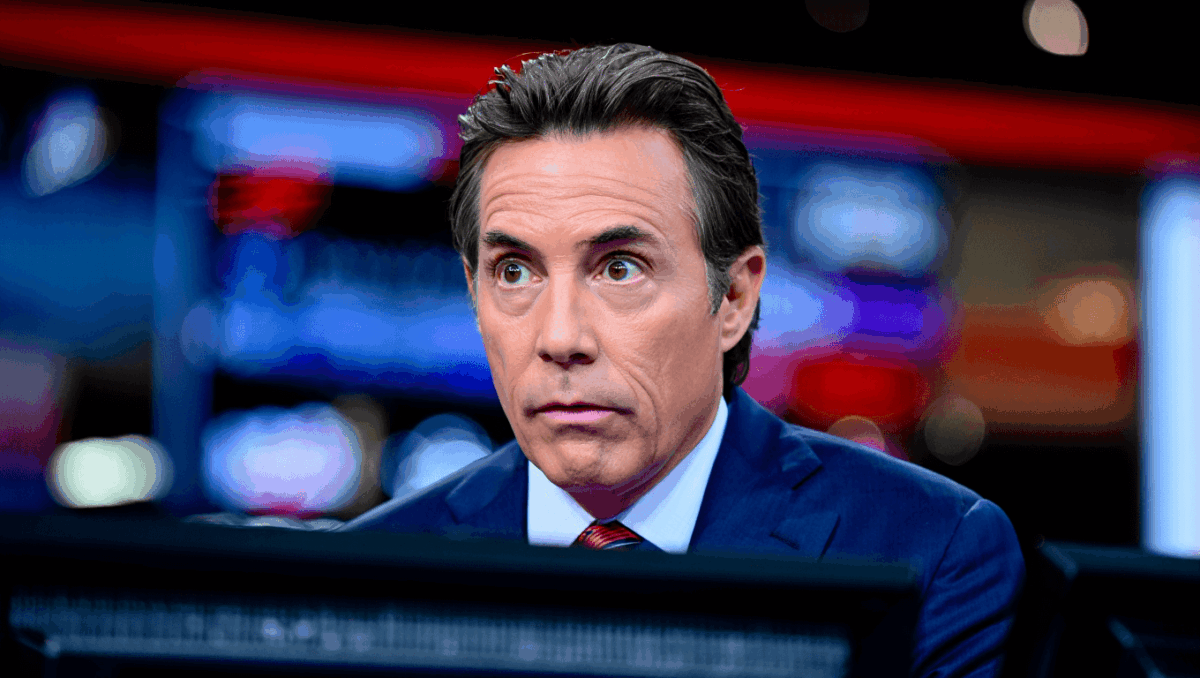
Scott Van Pelt nearly became the subject of an unintended viral moment on January 1, 2026, when a live television situation tested his broadcast instincts. The ESPN SportsCenter host was hosting the late-night edition when an unexpected camera shot forced him into a split-second decision that could have ended badly.
🔥 Quick Facts
- Scott Van Pelt has hosted the late edition of SportsCenter since 2015 for ESPN
- The awkward moment occurred during the midnight edition on January 1, 2026
- A live camera feed from Times Square showed two men kissing during the ball drop coverage
- Van Pelt recovered within seconds with a quick-thinking quip that saved the broadcast from controversy
The Setup: New Year’s Eve Coverage Goes Unexpectedly Viral
America’s Next Top Model documentary drops today on Netflix with shocking revelations
Dana Eden dies at 52, Tehran producer found dead in Athens hotel
As millions of viewers rang in 2026 from across the country, ESPN was providing late-night sports coverage while its parent company ABC cut in with traditional Times Square ball-drop footage. The annual tradition featured thousands of people packing the iconic New York City location to celebrate midnight with friends, kisses, and confetti.
Van Pelt was at the anchor desk, smooth and composed as he had been every night since taking over the midnight edition in September 2015. The broadcast started routinely as cameras panned the celebratory crowd, showing the typical array of hugs and New Year’s kisses that usually accompany the transition from one year to the next.
Tommy Lee Jones’ daughter was pregnant before her tragic death, court docs reveal
J Cole announces The Fall-Off world tour, first global dates in decades
He even joked naturally about the unusual content for a sports broadcast, saying, “Yeah, live makeouts on SportsCenter. Get into it.” The moment felt light, harmless, and perfect for late-night television.
The Moment: When Live TV Tests Your Instincts
Live television has a way of presenting moments that broadcasters can’t predict or control. Within seconds of Van Pelt’s initial joke, ABC‘s camera landed on something unexpected—two men kissing in the crowd. For a brief second that felt like an eternity on air, viewers could almost feel the pause through the screen.
The veteran broadcaster’s face registered an immediate reaction that was visible to millions. His eyes widened, his expression shifted, and the internal alarm bells were clearly going off. Viewers and social media observers immediately noticed the visceral response, and the moment was instantly flagged as potentially problematic.
In that split second, many recognized what could happen next on live television. A stray comment, a poorly chosen word, or even a prolonged pause could have transformed the moment into a career-threatening headline. The window for recovery was impossibly narrow.
The Recovery: An “All-Time” Live Television Save
| Key Element | Details |
| Initial Reaction Time | Less than 1 second |
| Recovery Statement | “Oh…what are we, what do we got?” |
| Pivot Response | “We’ve got love in the air. We’ve got makeouts. Who’s having a good time?” |
| Broadcast Outcome | Crisis averted, coverage continued smoothly |
Instead of freezing or saying something that would have become the lead story, Van Pelt pivoted with remarkable speed. He caught himself mid-thought and recalibrated in real time, adjusting to what had just happened with the kind of professionalism that comes only from years on live television.
“Oh…what are we, what do we got? We’ve got love in the air. We’ve got makeouts. Who’s having a good time? Happy New Year everybody!”
— Scott Van Pelt, SportsCenter Anchor
Why This Moment Matters in Broadcast History
The entire internet immediately recognized what had just happened. Social media exploded not with criticism, but with appreciation for how close Van Pelt came to a different outcome and how masterfully he had navigated it. Entertainment outlets called it an “all-time live television save.”
What made the moment universally understood was that everyone watching knew exactly how tight that window had been. The pause, the pivot, the sudden embrace of vague positivity—all of it screamed recovery. Had he hesitated for two more seconds, the moment would have spiraled into controversy. Instead, the broadcast moved forward smoothly, and Van Pelt’s professionalism kept SportsCenter from becoming the subject of a completely different story.
The moment demonstrates the difference between a seasoned professional and someone early in their career. Van Pelt has been hosting late-night SportsCenter for over a decade, covering everything from sports anchoring to major golf tournaments like the Masters and The Open. That experience clearly paid dividends when it mattered most.
What Does This Moment Teach Us About Live Television?
Every broadcaster faces moments where the unexpected happens on air. The difference between a disaster and a successful recovery often comes down to experience, quick thinking, and the ability to stay composed under pressure. Van Pelt’s reaction showed that veteran broadcasters develop almost instinctive responses to potential problems.
Somewhere in ESPN’s production center in Bristol, Connecticut, producers and network executives likely had their own moment of relief when the broadcast continued without incident. The moment became a case study in how to handle live television challenges with grace and professionalism. It’s a skill that can’t be taught in classrooms, only refined through years of on-air experience.
By morning, the moment had become one of the most talked-about New Year’s Eve broadcast moments in recent memory—but for entirely positive reasons. Scott Van Pelt had turned what could have been a career liability into a demonstration of professional excellence.
Sources
- Hollywood Unlocked – ESPN’s Scott Van Pelt coverage and analysis
- The Liberty Line – Detailed breakdown of the live television moment
- ESPN Pressroom – Official biography and career information

Jessica Morrison is a seasoned entertainment writer with over a decade of experience covering television, film, and pop culture. After earning a degree in journalism from New York University, she worked as a freelance writer for various entertainment magazines before joining red94.net. Her expertise lies in analyzing television series, from groundbreaking dramas to light-hearted comedies, and she often provides in-depth reviews and industry insights. Outside of writing, Jessica is an avid film buff and enjoys discovering new indie movies at local festivals.