
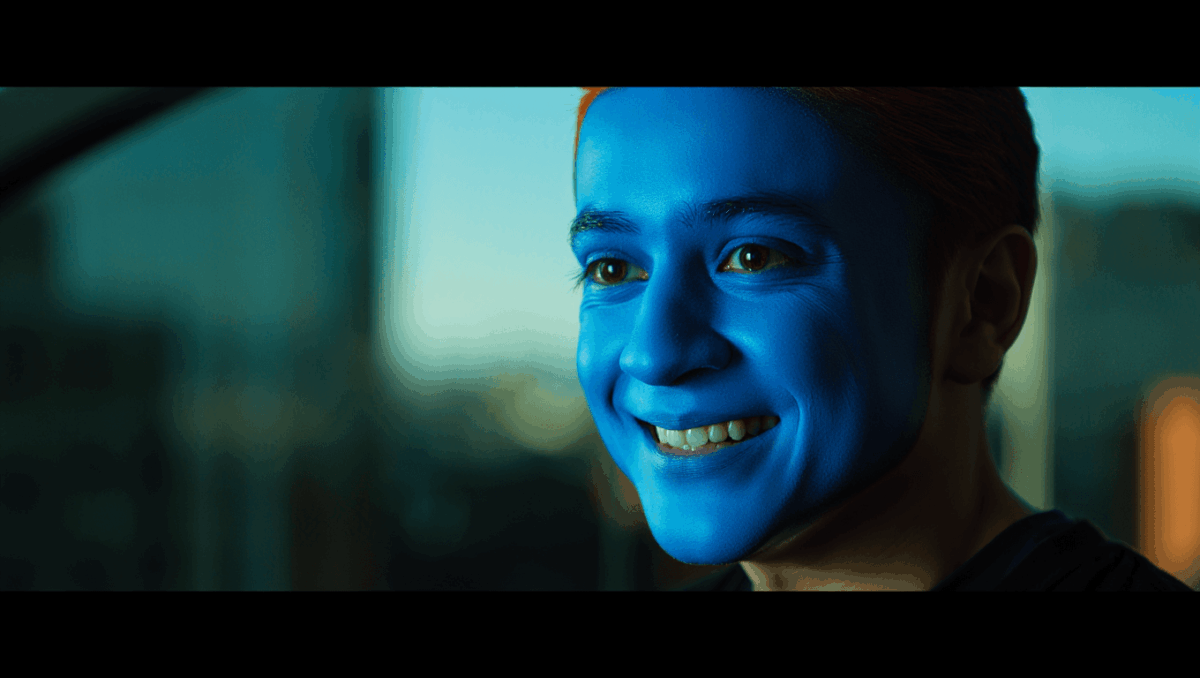
Netflix’s bold AI disguise technique has sparked fierce debate among viewers. The streaming giant used digital face replacement technology in its Lucy Letby documentary, creating artificial avatars instead of traditional silhouettes or blurred faces. This groundbreaking approach raises urgent questions about the future of documentary filmmaking and ethical AI use in media.
🔥 Quick Facts
- Documentary Title: The Investigation of Lucy Letby released on Netflix February 4, 2026
- AI Anonymization: Names, appearances, and voices digitally altered using generative AI technology
- Featured Personas: Fictitious characters Sarah (victim’s mother) and Maisie (Letby’s university friend) portrayed entirely by AI
- Public Response: Widespread criticism from viewers calling the technique uncanny, distracting, and disturbing
What Exactly Is Digital Anonymization Using AI
America’s Next Top Model documentary drops today on Netflix with shocking revelations
Dana Eden dies at 52, Tehran producer found dead in Athens hotel
Digital anonymization means disguising someone’s identity through technological means, but Netflix’s approach goes far beyond simple face blurring. Instead of traditional methods like silhouettes or distorted voiceovers, Netflix generated entirely new digital faces with synthetic voices to protect contributors. The AI avatars display realistic human facial expressions, movements, and emotional responses as they recount sensitive stories. These are not actors or lookalikes. They are computer-generated people created specifically to hide real identities while preserving emotional authenticity. One Amazon opening credits message stated: “Some contributors have been digitally disguised to maintain anonymity. Their names, appearances, and voices have been altered.”
The technology represents a significant shift in documentary ethics. Previous documentaries used shadowed figures, electronic voice modulation, or hired actors to replace real witnesses. Netflix’s AI method creates completely fictional personas that appear human but exist only in digital space. This allows viewers to see eyebrows raise, foreheads furrow, and tears stream down AI-generated cheeks as contributors share traumatic accounts.
Why Netflix Made This Unusual Creative Choice
Tommy Lee Jones’ daughter was pregnant before her tragic death, court docs reveal
J Cole announces The Fall-Off world tour, first global dates in decades
Netflix defended the AI anonymization technique by prioritizing emotional connection. According to filmmaker perspectives, AI restoration of humanity allows audiences to connect with stories more authentically than traditional anonymization methods. The streaming platform recognized that some contributors needed protection from harassment or safety risks. Rather than reducing them to faceless silhouettes, Netflix attempted to preserve their emotional vulnerability while concealing identity. Filmmaker Reuben Hamlyn, who used similar techniques in the film Another Body about deepfake victims, told The Guardian in 2024 that using AI is “such an important tool in empowering people to share their story.”
The documentary featured interviews with victim family members and Lucy Letby’s university friend who chose not to appear on camera. Rather than use traditional anonymization, Netflix generated convincing digital personas complete with realistic facial movements and synthetic voices reproducing their exact words. The mother of one deceased baby, named Sarah in the documentary, speaks emotionally about losing her child to pneumonia and sepsis. Her digitally created avatar sighs at appropriate moments and displays perfectly timed emotional expressions.
How Viewers Actually Reacted to the AI Disguises
| Viewer Response | Representative Quotes |
| Negative Reaction | “It really took me out of it watching these AI people move and speak” (Reddit viewers) |
| Distraction Factor | “Not the AI rendered people in the Lucy Letby documentary” (X/Twitter) |
| Uncanny Quality | “So distracting and weird…might as well have just blurred their faces” (@charli_says, X) |
| Disturbing Reaction | “Disturbing” “Creepy” and “weird disconnect AI creates” (multiple social media users) |
Audience backlash was immediate and intense across social media platforms. Reddit threads filled with confused viewers who found the AI avatars distracting rather than helpful. X users mocked the “garbage cartoon looking slop” and questioned Netflix’s creative decision. One Reddit commenter pointed out that witnesses breaking down emotionally while displayed as artificial faces created jarring cognitive dissonance. The synthetic quality of the AI personas undercut the authentic emotional weight of their testimonies about the deaths of babies. Several viewers noted the AI’s mispronunciations and imperfect speech patterns, which further distanced them from the real contributors’ stories.
However, some defenders argued the anonymization served legitimate safety purposes. One commenter responded that “it is the actual victim with AI covering their face so they aren’t identified,” urging critics to consider the protection needs of grieving families. Nevertheless, the overwhelming consensus dismissed the approach as unnecessary and counterproductive.
What Does This Mean for the Future of True Crime Documentary
Netflix’s experiment raises profound questions about documentary authenticity in the AI era. If audiences cannot trust what they see on screen, does visual documentation lose credibility? The dichotomy between real emotional testimony and fake digital representation creates ethical tensions that previous filmmakers never faced. Traditional anonymization methods, while visually limiting, never pretended to show someone’s actual face. Viewers understood they were watching symbolic representations.
The Lucy Letby documentary sits at the intersection of technological capability and journalistic ethics. As AI face generation becomes increasingly sophisticated, filmmakers will face mounting pressure to explain their choices. Did digital avatars serve the story, or did they distract from it? Does synthetic realism enhance emotional connection or create manipulation? The film industry is already struggling with these questions. Oscar winner The Brutalist faced criticism for using AI to enhance Hungarian dialogue spoken by Adrien Brody, while Emilia Pérez’s singing voice was enhanced with AI cloning.
Will Digital Anonymization Become the New Industry Standard in Documentary Filmmaking?
The answer depends on whether future audiences accept synthetic faces in serious documentary work. Netflix positioned this technique as forward-thinking and protective, yet viewer response suggests the industry may need to reconsider. Most critics suggested that traditional silhouettes or voice alteration better served documentary integrity than photorealistic AI avatars. Avatar director James Cameron stated bluntly that allowing AI to replace human talent would be “horrifying.”
Netflix has since released strict AI guidelines for content partners requiring explicit consent for any AI use involving real people’s likenesses. Partners must clearly disclose AI involvement, and the streaming platform demands approval before final product release. This suggests Netflix recognized concerns about deceptive representation. The question remains whether carefully labeled AI anonymization can eventually gain acceptance among viewers who currently find it unsettling.

Jessica Morrison is a seasoned entertainment writer with over a decade of experience covering television, film, and pop culture. After earning a degree in journalism from New York University, she worked as a freelance writer for various entertainment magazines before joining red94.net. Her expertise lies in analyzing television series, from groundbreaking dramas to light-hearted comedies, and she often provides in-depth reviews and industry insights. Outside of writing, Jessica is an avid film buff and enjoys discovering new indie movies at local festivals.