
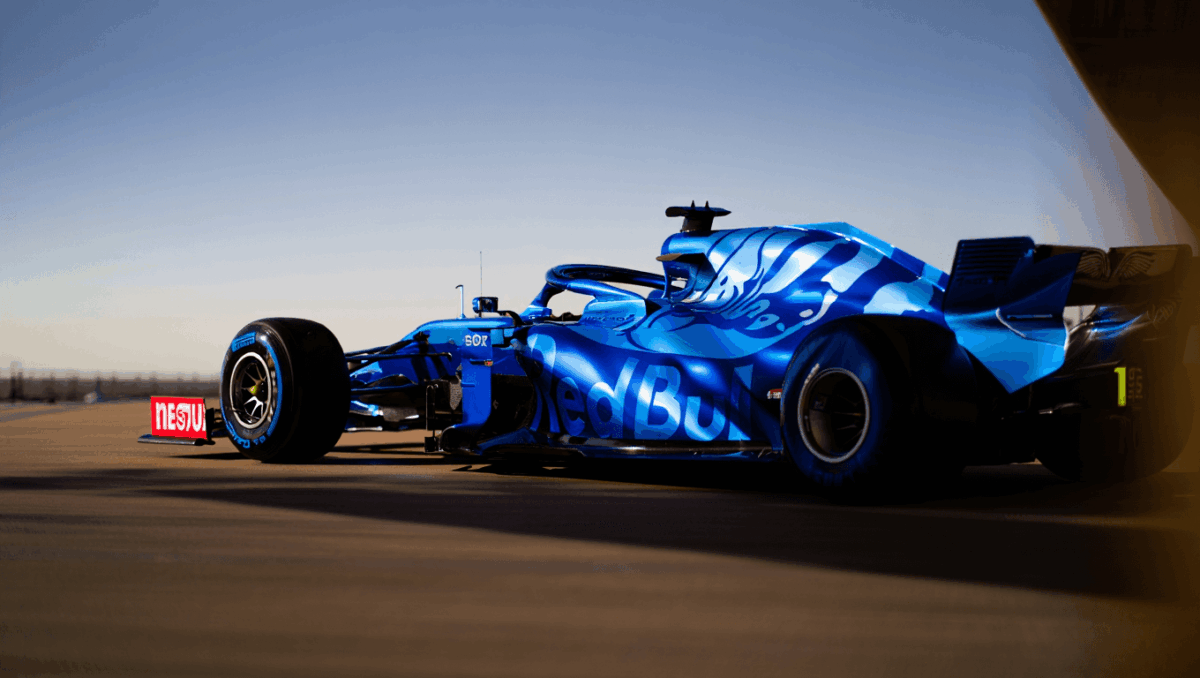
Red Bull shocked the Formula 1 world last night with a stunning throwback livery reveal in Detroit. The team’s new RB22 features a glossy blue design honoring the team’s original 2005 debut look. Max Verstappen and Isack Hadjar will pilot the striking retro machine.
🔥 Quick Facts
- Livery Style: Throwback blue with glossy finish, honoring Red Bull’s 2005 F1 debut design
- Event Location: Detroit, Michigan on January 15, 2026, at Ford headquarters
- Historic Partnership: Red Bull manufactures its first in-house engine with Ford since joining F1
- Driver Lineup: Four-time world champion Max Verstappen paired with Isack Hadjar
A Bold Return to Red Bull’s Heritage
Cagliari faces Lecce tonight in Serie A showdown, Rossoblu seek top-half push
Girona faces Barcelona tonight in La Liga showdown, Barcelona chases lead
Red Bull became the first team to reveal their 2026 livery at an exclusive launch event in Detroit, the home of new engine partner Ford. The RB22 features a dramatic shift from recent years, ditching matte finishes for a premium gloss paint that harks back to the team’s original look. Max Verstappen expressed pure excitement about the retro aesthetic. The blue and black color scheme with lighter blue accents marks a significant visual refresh for the Milton Keynes outfit. The glossy treatment isn’t just cosmetic, it’s designed to enhance contrast and make heritage elements pop at high speed on track.
The timing of the reveal carries symbolic weight as Red Bull enters uncharted territory with their Ford powertrains partnership. This marks the first time in the team’s 21-year history that they’ve built both chassis and engine under one roof. The new direction reflects a broader transformation at the team following significant leadership changes.
The Birth of a New F1 Era
East Texas A&M faces Southeastern in Family Fun Day matchup today
Macclesfield faces Brentford tonight in FA Cup fourth-round showdown
Red Bull Ford Powertrains represents a seismic shift in the team’s structure and ambition. The team has assembled a dedicated facility and brought together what they describe as an elite engineering group to tackle the massive challenge of engine manufacturing. Ben Hodgkinson, Red Bull Powertrains technical director, acknowledged the audacious nature of building factories while competitors have had years to develop their power units. The 2026 regulations overhaul demands a near 50-50 split between electric and combustion power, creating fresh technical challenges across the grid. With three pre-season testing windows scheduled before the season opener in Melbourne on March 6, Red Bull has a compressed timeline to fine-tune their new power unit in action.
Team principal Laurent Mekies warned that Red Bull expects to be “trailing” rivals at the season start as they ramp up their development rate. Despite these challenges, the team believes the strength of its people and facilities gives them confidence for the long campaign ahead. The scale of unknowns means any early competitive form would be a major win.
Design Innovation Meets Retro Inspiration
The 2026 RB22 features a jacquard pattern in lighter blue tones across the gloss finish, creating depth and visual richness previously absent from Red Bull’s recent minimalist designs. Verstappen declared himself “impressed and surprised” by how much the design enhances the car’s on-track presence. The glossy paint allows logos and sponsors to “pop” with greater clarity, while also improving how light reflects off the bodywork at speed. This technical attention to detail shows how even livery choices tie into wider aerodynamic and visual optimization strategies. Red Bull emphasized that the design marks “a return to gloss finish first seen when the team made its debut back in 2005.”
The retro-inspired livery marks more than nostalgia. It signals Red Bull’s confidence that they’re beginning a new chapter worthy of honoring their legendary beginnings. The team returned to classic proportions and color saturation from their early years, creating visual continuity with fans who’ve followed the team since their maiden F1 season. This heritage-forward approach also reflects broader brand positioning as Red Bull acknowledges the momentous nature of the 2026 regulation change and their historic in-house engine partnership.
Verstappen and Hadjar Lead the Charge Into Uncertainty
Max Verstappen finished runner-up in 2025, just two points behind McLaren’s Lando Norris, despite driving a car that struggled for much of the season. The four-time champion’s ability to extract maximum performance from an off-pace machine demonstrated why Red Bull retained him as their centerpiece. Isack Hadjar’s promotion from Racing Bulls represents aggressive talent development, replacing previous partnerships. The 21-year-old French-Italian driver impressed during his rookie campaign, earning a fast-track to the senior team. Together, the pairing offers youth and experience, speed and proven championship pedigree.
Verstappen praised the new car’s appearance, noting the gloss finish and bold blue color brought back memories from his early F1 days. He acknowledged the mechanics will have their hands full keeping the shiny new livery pristine during competition. Pre-season testing begins January 26 in Barcelona for a behind-closed-doors session, followed by two Bahrain tests in February before the Australian Grand Prix.
Can Red Bull Deliver While Building Their Own Engine?
The question looming over Red Bull’s 2026 ambitions is whether any team manufacturing engines for the first time can compete immediately with established manufacturers like Honda, Ferrari, and Mercedes. The historical precedent isn’t encouraging, yet Red Bull’s resources and structure suggest they have a fighting chance. The team eliminated the drag reduction system entirely, replacing it with active aerodynamics and adjustable wing configurations that drivers can toggle between settings. Three separate pre-season tests were scheduled specifically for 2026 to give teams extended mileage with new regulations.
Adrian Newey’s exit prior to 2026 removes the designer who shaped Red Bull’s greatest competitive eras, adding another layer of uncertainty. Yet the appointment of Laurent Mekies as team principal, along with leadership overhauls that removed both Christian Horner and Helmut Marko from daily operations, suggests a fresh organizational reset. Will the new structure and fresh talent prove stronger than legacy approaches? The 2026 season begins in Melbourne on March 6 with answers that could reshape F1’s competitive order.
Sources
- Sky Sports – Official coverage of Red Bull RB22 thrashback blue livery and team comments from Detroit launch
- The Guardian – Max Verstappen’s reaction to retro livery design and 2026 season outlook
- Autosport – Technical details on gloss finish, design specifications, and Red Bull PowerTrains director comments

Michael Brown is a seasoned sports journalist bringing years of experience covering professional athletics and sporting culture. With a keen eye for breaking stories and player dynamics, this veteran journalist delivers in-depth analysis and exclusive insights from the world’s biggest sporting events. His passion for the game shines through in every story, keeping fans connected to the action both on and off the field.