
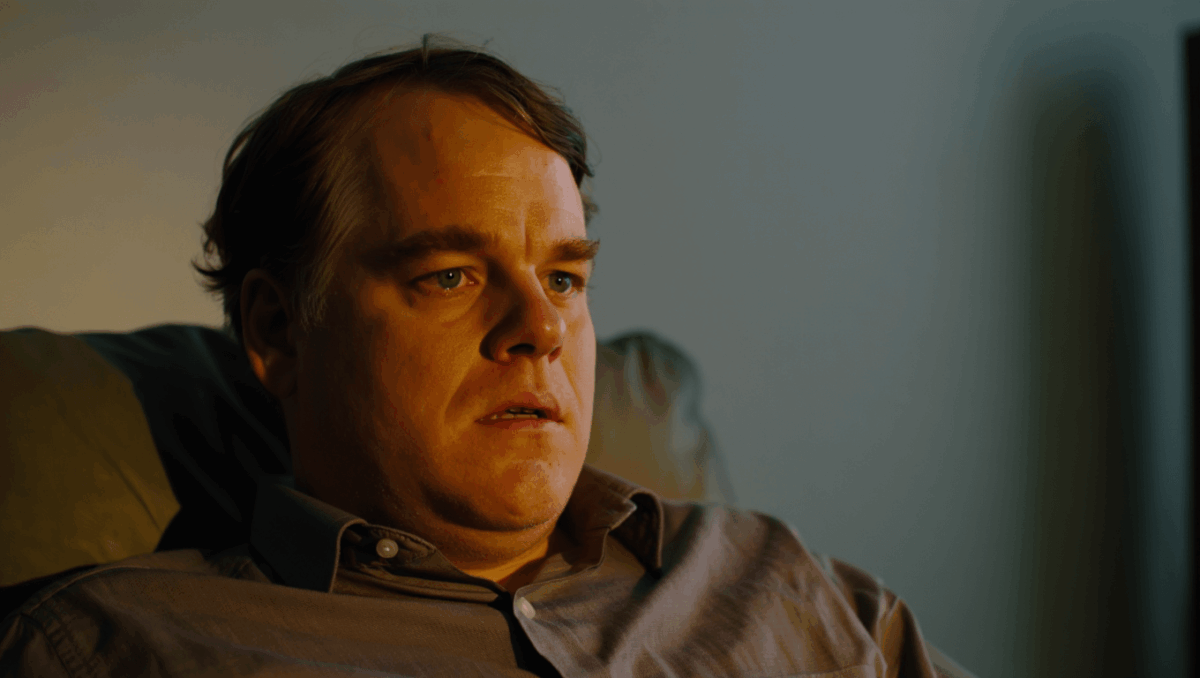
Philip Seymour Hoffman, considered one of the greatest actors of his generation, is remembered 12 years after his tragic death on February 2, 2014. The legendary performer died at age 46 from acute mixed drug intoxication. What remains is a staggering legacy of transformative performances that continue to inspire generations of artists and audiences worldwide.
🔥 Quick Facts
- Career Span: From 1991 to 2014, appearing in over 55 films and numerous stage productions
- Oscar Victory: Won Academy Award for Best Actor in 2006 for his portrayal of Truman Capote
- Sobriety Challenge: Had maintained 23 years of sobriety before relapsing in 2012, seeking treatment in May 2013
- Legacy Location: A bronze statue was unveiled in his hometown of Fairport, New York in 2022, permanently installed at the George Eastman Museum in 2023
A Transformative Force in Cinema
America’s Next Top Model documentary drops today on Netflix with shocking revelations
Dana Eden dies at 52, Tehran producer found dead in Athens hotel
Philip Seymour Hoffman possessed an extraordinary ability to inhabit deeply human characters with remarkable authenticity. His roles ranged from the pompous Freddie Miles in The Talented Mr. Ripley to the obsessive playwright Caden Cotard in the surreal Synecdoche, New York. Critics praised his fearlessness, describing how he brought nuance and vulnerability to even the most unlikable characters. Meryl Streep once said about his work: “My God, this actor is fearless. He’s done what we all strive for.” His commitment to authenticity meant losing 40 pounds for Capote and maintaining character voices throughout entire productions.
From breakthrough roles in Scent of a Woman and Boogie Nights to critically acclaimed work in Magnolia and The Master, Hoffman transformed films across genres. His collaboration with director Paul Thomas Anderson produced some of cinema’s most memorable moments. Whether playing a boom operator seeking validation or a cult leader radiating charisma, Hoffman demonstrated unparalleled range and emotional transparency.
Broadway Brilliance and Theatrical Dedication
Tommy Lee Jones’ daughter was pregnant before her tragic death, court docs reveal
J Cole announces The Fall-Off world tour, first global dates in decades
Theater remained central to Hoffman’s identity throughout his career. He joined the LAByrinth Theater Company in 1995, remaining connected to stage work until his death. Tony Award nominations came for appearances in True West, Long Day’s Journey Into Night, and Death of a Salesman. His final stage performance in 2012 as Willy Loman drew praise despite critics debating his age for the role. Ben Brantley of The New York Times acknowledged Hoffman’s difficulty with the character, yet the production became the highest-grossing show in the Ethel Barrymore Theatre’s history.
Beyond acting, Hoffman directed plays for LAByrinth and other theaters, earning Drama Desk nominations for his directorial work. He understood theater as a personal sanctuary, once stating that switching between acting and directing helped him improve in both roles simultaneously. This dedication to craft extended beyond performance—Hoffman was a teacher, mentor, and builder of artistic communities.
The Struggle with Addiction and Final Years
Hoffman’s honesty about addiction distinguished him from other actors. In 2006, he revealed that during college he had used “anything I could get my hands on.” After entering recovery at age 22, he maintained sobriety for 23 years through theater work and artistic commitment. However, in 2012, stress and personal struggles triggered a relapse. He sought 10 days of treatment in May 2013, demonstrating awareness of his vulnerability. His partner Mimi O’Donnell later revealed that Hoffman had moved to a separate apartment to protect their three children from witnessing his battle.
| Year | Career Milestone |
| 1989 | Graduated from Tisch School of the Arts |
| 1991 | Screen debut on Law & Order |
| 2005 | Won Oscar for Best Actor in Capote |
| 2012 | Relapsed into addiction; sought treatment in May 2013 |
| Feb 2, 2014 | Found dead at age 46 from drug intoxication |
His final film appearances came while still battling addiction. At the 2014 Sundance Film Festival, just weeks before his death, Hoffman promoted two films: A Most Wanted Man and God’s Pocket. Critics praised his performance in the John le Carré thriller, noting “full of mischief, anchored by integrity.” The Hunger Games: Mockingjay Part One was released in November 2014 and dedicated to his memory.
A Multifaceted Artist’s Contributions to Film and Theater
Hoffman’s versatility extended beyond acting into film directing and producing. His directorial debut, Jack Goes Boating in 2010, earned positive reviews though limited commercial success. He planned a Prohibition-era drama titled Ezekiel Moss starring Amy Adams and Jake Gyllenhaal before his death. His work in theater directing for LAByrinth included productions of experimental and classic plays. Peter Bradshaw of The Guardian observed that Hoffman achieved what few actors accomplish: “Almost every single one of his credits had something special about it.” His commitment to artistic integrity meant accepting roles in independent films alongside blockbusters like Mission: Impossible III, refusing to be defined by commercial success.
Colleagues testified to his influence as a mentor and collaborator. Director Paul Thomas Anderson called him “incomparable,” while collaborators praised his generosity on set. He elevated every production he touched, whether as a minor supporting character or leading man. His dedication inspired others to pursue authenticity over celebrity, choosing art over commerce.
How Should We Remember Philip Seymour Hoffman Today?
Twelve years after his death, Hoffman’s legacy persists through his extraordinary catalog of performances. The Independent ranked him the greatest actor of the 21st century in 2024. His willingness to expose human vulnerability onscreen revolutionized character-driven cinema. John le Carré, who met Hoffman during A Most Wanted Man, wrote that the actor’s intensity was “painful and exhausting work, and probably in the end his undoing.” Friends, colleagues, and admirers established the American Playwriting Foundation in his memory, awarding $45,000 annually to unpublished playwrights through “The Relentless Prize,” honoring his unwavering commitment to theater. His struggle with addiction remains a poignant reminder of how mental health, isolation, and substance abuse affect even the most talented artists. Hoffman’s openness about his vulnerability continues inspiring constructive conversations about addiction, recovery, and the pressures of artistic excellence.

Jessica Morrison is a seasoned entertainment writer with over a decade of experience covering television, film, and pop culture. After earning a degree in journalism from New York University, she worked as a freelance writer for various entertainment magazines before joining red94.net. Her expertise lies in analyzing television series, from groundbreaking dramas to light-hearted comedies, and she often provides in-depth reviews and industry insights. Outside of writing, Jessica is an avid film buff and enjoys discovering new indie movies at local festivals.