
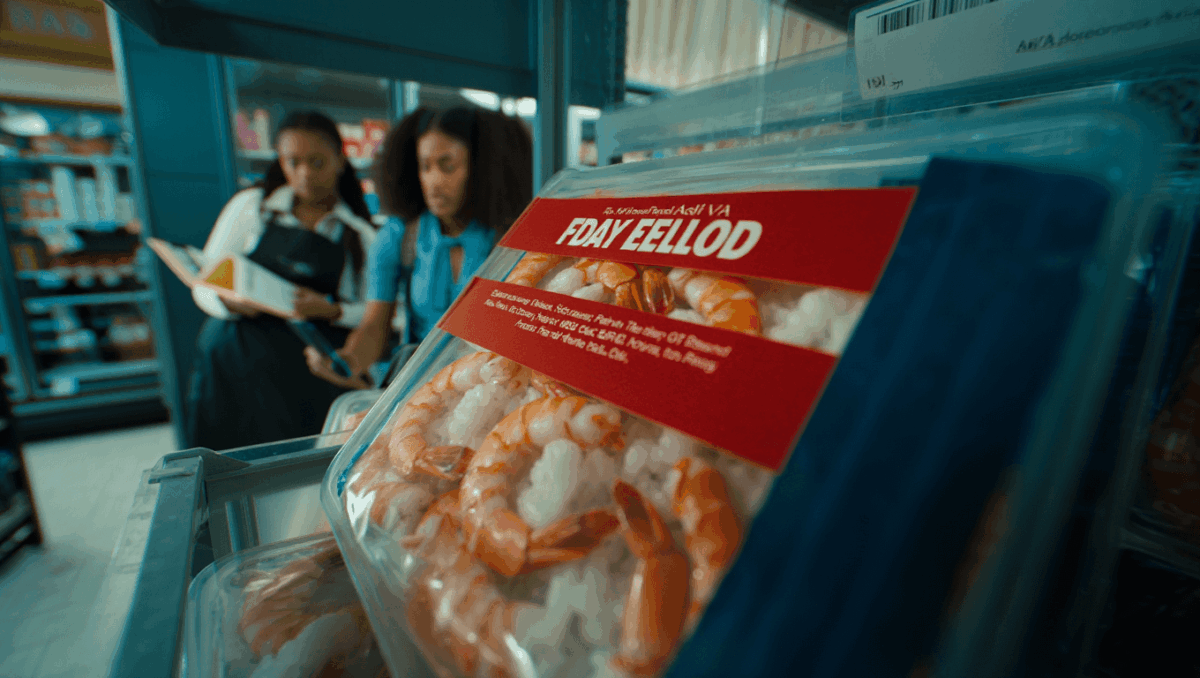
Frozen shrimp recall has expanded dramatically with over 83,800 bags pulled from major US grocery chains over radioactive contamination fears. The FDA announced the massive recall December 19 involving cesium-137, a man-made radioisotope detected in products from Direct Source Seafood LLC. Retailers including Jewel-Osco, Safeway, Price Chopper, and others have pulled affected inventory nationwide.
🔥 Quick Facts
- 83,800 bags of frozen raw shrimp recalled December 19, 2025
- Cesium-137 contamination detected via federal monitoring at shipping containers
- Market 32 and Waterfront Bistro brand names affected at 11 states
- Zero illnesses reported despite potential radioactive exposure risk
Multiple Major Retailers Pulling Stock Across 11 States
Intuit emerges as best software stock for 2026 while stock crashes to bargain levels analysts didn’t expect
2026 tax brackets shock Americans with hidden paycheck truth nobody expected
The recall affects Price Chopper stores in Connecticut, Massachusetts, New Hampshire, New York, Pennsylvania, and Vermont selling Market 32 1-pound bags with UPC 0 41735 01358 3. Best-by dates include April 22 through April 27, 2027, with sales after July 11, 2025.
Jewel-Osco, Albertsons, Safeway, and Lucky Supermarket locations in Colorado, Iowa, Idaho, Illinois, Indiana, Montana, North Dakota, Nevada, Oregon, Utah, and Wyoming carry Waterfront Bistro 2-pound bags (UPC 021130 13224-9). These carried April 25-26, 2027 best-by dates and were sold on or after June 30, 2025.
What Is Cesium-137 and Why Is It Dangerous?
Marcus Lemonis takes CEO role at Bed Bath & Beyond with $25M cost-cutting plan and watch what industry experts are saying about his next move
SPX surges 34 points at open with shocking tech recovery, here’s what caused the unexpected Venezuela rally
Cesium-137 (Cs-137) is a synthetic radioactive isotope created during nuclear reactions, not found naturally in foods. The FDA confirmed the shrimp may have been prepared, packed, or held under insanitary conditions allowing contamination during processing or shipping from Indonesia.
Long-term, low-dose exposure through food consumption potentially increases cancer risk via DNA damage, according to FDA guidance. However, health physicists note the 68 becquerels per kilogram detected in this shrimp remains well below FDA’s 1,200 becquerels per kilogram intervention threshold, comparable to naturally occurring radiation in potassium-containing foods like bananas.
| Product Detail | Information |
| Recalled Brands | Market 32, Waterfront Bistro |
| Company | Direct Source Seafood LLC (Bellevue, WA) |
| Origin | Imported from Indonesia |
| Contamination | Cesium-137 (man-made radioisotope) |
| Quantity Recalled | Approximately 83,800 bags |
| Illnesses Reported | None to date |
FDA Investigating Indonesian Processing Facility and Shipping Containers
The Food and Drug Administration is actively investigating PT. Bahari Makmur Sejati (BMS Foods), the Indonesian company processing the contaminated shrimp. Federal monitors detected cesium-137 in shipping containers during port screening operations earlier in 2025.
This marks part of a broader pattern where the same supplier’s products have triggered multiple recalls throughout the year. The investigation indicates contamination occurred during preparation, packing, or transport rather than at retail locations, prompting rapid nationwide distribution alerts.
Consumer Action Steps and Refund Information
The FDA advises consumers who purchased affected shrimp to not consume the product immediately. Instead, dispose of the shrimp safely or return packages to the retailer for a full refund without questions.
Direct Source Seafood LLC’s customer service line at 425-455-2291 operates Monday through Friday, 8:00 AM to 5:00 PM Pacific Standard Time for product questions. No proof of purchase is required for store returns at Jewel-Osco, Safeway, Price Chopper, and affiliated retailers.
Why Are Consumers Concerned When Radiation Levels Are Below Limits?
While detected contamination levels remain below official FDA thresholds, consumers have grown increasingly cautious following multiple radioactive shrimp recalls throughout 2025. Earlier waves in August and September affected major retailers including Walmart, Kroger, and several other chains.
The pattern of repeated contamination from the same Indonesian source has raised questions about supply chain oversight and whether existing monitoring systems adequately protect imports. Health specialists emphasize that any radioactive contamination in imported food products bears investigation despite falling within technical safety parameters.

Patrick Graham is a business and finance journalist translating Wall Street’s complexities into stories that matter to everyday readers. With extensive experience in financial journalism and economic analysis, this expert journalist provides sharp insights on market trends, corporate developments, and the economic forces affecting daily life. His reporting helps readers make sense of the business world’s biggest moves.