
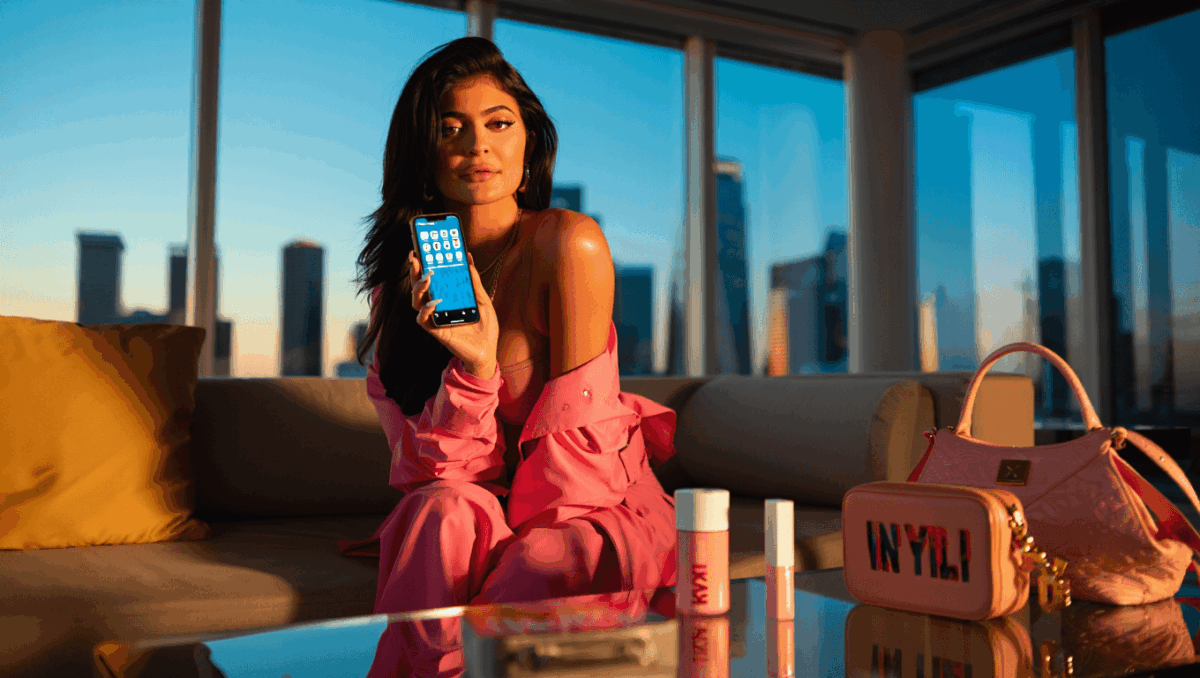
Gen Z years explained: Why Kylie Jenner and TikTok stars rule entertainment in 2025. Generation Z, born between 1997 and 2012, has fundamentally transformed the entertainment landscape through social media dominance and digital-first content creation. The shift represents a seismic departure from traditional celebrity culture.
🔥 Quick Facts
- Kylie Jenner ranks as the #1 Gen Z celebrity with 393 million Instagram followers
- 43% of Gen Z prefer YouTube and TikTok over traditional TV streaming as of November 2025
- Charli D’Amelio commands 156.4 million TikTok followers, the most-followed female creator on the platform
- Gen Z creators prioritize authenticity, short-form content, and direct audience connection over studio production
What Are Gen Z Years? Understanding the Generation
America’s Next Top Model documentary drops today on Netflix with shocking revelations
Dana Eden dies at 52, Tehran producer found dead in Athens hotel
Generation Z encompasses individuals born between 1997 and 2012, making them between 13 and 28 years old in 2025. Researchers and cultural analysts widely accept this age range, though some sources cite 1996 to 2010 as slightly alternative definitions. What makes Gen Z fundamentally different from previous generations is their status as digital natives.
Unlike Millennials who adapted to the internet, Gen Z grew up with smartphones, social media, and streaming services from childhood. Members of this generation were already scrolling TikTok before finishing middle school. This constant digital immersion shaped their entertainment preferences, communication styles, and consumer behavior in profound ways.
Kylie Jenner: The Undisputed Gen Z Icon
Tommy Lee Jones’ daughter was pregnant before her tragic death, court docs reveal
J Cole announces The Fall-Off world tour, first global dates in decades
Kylie Jenner stands atop the Gen Z entertainment hierarchy with unmatched influence across multiple platforms. Her 393 million Instagram followers make her the most-followed Gen Z celebrity globally. Beyond Instagram, she commands 58.6 million TikTok followers, blending her beauty empire with relatable, behind-the-scenes content that resonates with younger audiences.
What separates Kylie from traditional celebrities is her business savvy and authenticity perception. She didn’t just appear in entertainment—she built Kylie Cosmetics into a multi-billion dollar brand by understanding Gen Z values around entrepreneurship and transparency. Her willingness to discuss cosmetic procedures openly earned praise from Gen Z women who appreciate her honesty over manufactured perfection.
TikTok Stars Dominating Entertainment
| Creator | Platform Followers | Primary Content |
| Charli D’Amelio | 156.4 million (TikTok) | Dance routines, challenges |
| Addison Rae | 88.6 million (TikTok) | Dance, lifestyle, music |
| Billie Eilish | Multiplatform presence | Music, interviews, behind-the-scenes |
| Khabane Lame | Multiplatform dominant | Comedy, life hacks |
Charli D’Amelio epitomizes the Gen Z success story. At just 21 years old, she became the first TikToker to reach 156 million followers. Her journey from posting dance videos to becoming a household name demonstrates how TikTok algorithms reward consistency and relatability over traditional talent industry gatekeeping.
Addison Rae followed a similar trajectory, leveraging 88.6 million TikTok followers into music releases, movie appearances, and brand partnerships. Both creators represent a new entertainment model where audience size equals mainstream success without requiring network approval or studio backing.
YouTube and TikTok Overtake Traditional Entertainment
Traditional television and streaming services face an unprecedented challenge: 43% of Gen Z now prefer YouTube and TikTok over conventional entertainment options. This shift reveals fundamental changes in how young people consume media. Gen Z doesn’t want polished, high-production content—they crave authenticity and shorter attention spans.
Microdramas, a new trend originating from TikTok, reached 28 million U.S. viewers by November 2025. These episodic short-form dramas deliver complete narrative arcs in under 10 minutes, perfectly suited to Gen Z preferences. Platforms understands this better than Netflix or traditional networks, which still produce content averaging 45 minutes to an hour.
According to recent research, 56% of Gen Z social media users report spending more time on YouTube than a year ago. The platform captures the biggest share of discovery and search among Gen Z audiences, while TikTok controls trend-setting and viral moments. Streaming services are forced to partner across platforms to maintain Gen Z viewership.
What Does Gen Z Entertainment Success Look Like in 2025?
Success for Gen Z entertainers means building personal brands that transcend single platforms. Kylie Jenner’s model—leveraging beauty, lifestyle, and entrepreneurship while maintaining Instagram and TikTok presence—represents the blueprint. Music artists on Amazon’s Billboard’s 21 Under 21 list for 2025, including emerging talent like Jessie Murph, Sombr, and Katseye, understand they must engage directly with audiences through social video.
The most successful Gen Z entertainers share common traits: raw authenticity, consistent posting schedules, audience interaction, and willingness to pivot content based on trending topics. They monetize through multiple revenue streams—sponsorships, merchandise, music releases, and brand partnerships. Traditional record labels and studios no longer control access to mainstream audiences.
Gen Z viewers demand content that reflects their values around sustainability, mental health awareness, social justice, and inclusivity. Creators who ignore these expectations face backlash and algorithmic suppression. The entertainment industry has shifted from top-down celebrity creation to democratic digital platforms where follower counts determine star power.
The Musical Landscape in 2025
Billboard’s music charts reflect changing tastes toward genre-blending and hip-hop dominance. Gen Z artists like Olivia Rodrigo, Ice Spice, and Tate McRae top charts by creating relatable, short, social-media-optimized music that goes viral on TikTok before charting traditionally. A single trending on TikTok guarantees Billboard success—the reverse relationship from past decades.
How Will Gen Z Entertainment Continue Evolving Beyond 2025?
Gen Z entertainers will likely face increasing pressure to diversify beyond social platforms as algorithms change and competition intensifies. The barrier to entry—owning TikTok or YouTube—means sustaining relevance becomes harder. Next-generation platforms emerging in 2025 and beyond will offer new opportunities, but the fundamentals remain unchanged: authenticity trumps production value, speed trumps perfection, and community engagement drives success.
Expect merger of livestreaming, gaming, and traditional entertainment as Gen Z creators increasingly produce gaming content and interactive experiences. Streaming services will continue investing in creator-friendly platforms to retain Gen Z viewership, potentially eliminating the distinction between social media and entertainment streaming entirely.
The reign of Kylie Jenner and TikTok stars represents a fundamental power shift in entertainment. Traditional gatekeepers—studios, networks, producers—hold less influence than ever. Gen Z built this entertainment ecosystem themselves through consumption patterns and community participation. The generation that grew up creating content now controls what the rest of the world watches.
Sources
- Billboard – Gen Z Music Charts and 21 Under 21 list for 2025
- Variety – Study on Gen Z platform preferences and microdrama viewership
- Visual Capitalist – Most-followed Gen Z influencers ranking analysis

Jessica Morrison is a seasoned entertainment writer with over a decade of experience covering television, film, and pop culture. After earning a degree in journalism from New York University, she worked as a freelance writer for various entertainment magazines before joining red94.net. Her expertise lies in analyzing television series, from groundbreaking dramas to light-hearted comedies, and she often provides in-depth reviews and industry insights. Outside of writing, Jessica is an avid film buff and enjoys discovering new indie movies at local festivals.