
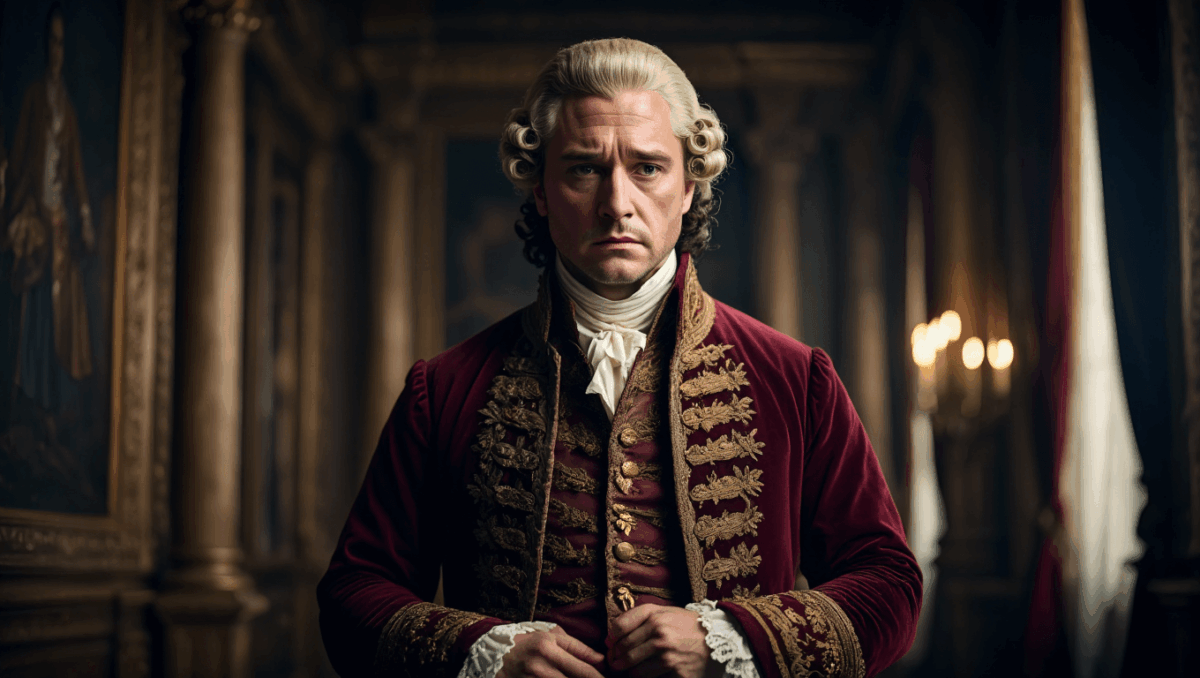
Kit Harington just delivered his darkest, most devastating performance yet in Industry season 4 episode 2. The HBO financial thriller aired January 18, and it’s already being called the show’s greatest hour ever, surpassing even Saltburn in dramatic intensity. Henry Muck’s 40th birthday spiral into suicidal ideation reveals why Harington’s far more than a Game of Thrones legacy.
🔥 Quick Facts
- Episode Title: “The Commander and the Grey Lady,” a bottle episode entirely focused on Henry
- The Twist: A mysterious friend is revealed as Henry’s father’s ghost, warning of inherited suicide fate
- Critical Reaction: TIME called it “a masterpiece homage to Gothic horror,” while Radio Times named it Harington’s finest hour
- Mental Health Themes: Episode tackles suicidal ideation, depression, and lithium medication in unprecedented depth
Henry’s Catastrophic 40th Birthday Triggers Everything
America’s Next Top Model documentary drops today on Netflix with shocking revelations
Dana Eden dies at 52, Tehran producer found dead in Athens hotel
The episode opens with Sir Henry Muck having just lost a Conservative MP election to Jennifer Bevan, crushing his fragile ego. Back at his sprawling country estate, Yasmin throws him a lavish 18th-century fancy-dress party, unaware he’s spiraling into depression and substance abuse. Harington portrays raw vulnerability as Henry weeps after political failure, then attempts masking despair with drugs throughout the night.
His uncle Lord Norton confronts him brutally about his lithium medication, his apathy, his addiction. The conversation casually reveals Henry takes mood-disorder treatments his family ignores. “Fuck my father and his genetic inheritance,” Henry spits, hinting at darker family secrets lurking beneath layers of privilege.
The Supernatural Horror That Changes Everything
Tommy Lee Jones’ daughter was pregnant before her tragic death, court docs reveal
J Cole announces The Fall-Off world tour, first global dates in decades
During the chaos of the party, a mysterious older figure called “the Commander” arrives and whisks Henry away. Viewers assume he’s an old school friend, a dark influence pushing Henry toward hedonism. But the episode’s brilliance erupts when the Commander lifts his scarf to reveal a bloody, slit throat. Jack Farthing’s haunting performance as Henry’s deceased father redefines the entire narrative.
Henry realizes his father killed himself on his own 40th birthday, and Henry has now survived one day past that age. The apparition becomes increasingly sinister, urging Henry toward the same fate. “You’ll see me soon,” the ghost whispers as a flashback reveals young Henry witnessing his father’s suicide from a distance, a trauma he’s carried silently for decades.
Gothic Masterpiece Puts Major Shows to Shame
| Aspect | Details |
| Premiere Date | January 18, 2026 on HBO, HBO Max |
| Network | HBO, BBC One, BBC iPlayer |
| Runtime | Approximately 60 minutes |
| Critical Consensus | “Show’s greatest hour,” surpasses Saltburn |
TIME magazine’s critic Judy Berman hailed the episode as “a contemporary reimagining of Gothic tropes” that makes Saltburn look lazy. The manor, the masquerade, the aristocracy collapsing under its own decadence, the supernatural intrusion, the class commentary, the family trauma, all converge into something genuinely haunting. Unlike gratuitous shock value, this sequence earns every devastating moment through character development.
Filmmakers Mickey Down and Konrad Kay orchestrated the twist with surgical precision. The camera work, the dialogue, the performances all build dread. When Henry enters the garage and begins inhaling carbon monoxide fumes, viewers face genuine suicide ideation drama handled with severity and care, not exploitation.
“It’s a really difficult thing to dramatize, either suicide or suicidal ideation. We know Henry’s got a history of suicidal ideation since season three, so that was always something I think they wanted to explore. I think they pulled back a little bit from the original script that they were going to film, because it can be very traumatic for people to watch that stuff. Again, it’s a bit of a delicate dance, but it’s an important story to tell.”
— Kit Harington, in interview with Esquire
How Harington Eclipsed His Entire Game of Thrones Legacy
For years, Kit Harington has carried the weight of Jon Snow, constantly compared to that breakout role. But episode 2 proves he’s evolved beyond that shadow entirely. His portrayal of Henry’s breakdown strips away entitlement, privilege, and bravado to reveal a deeply traumatized, haunted human beneath the baronet title. When he weeps, when he lashes out, when he descends into drug-fueled chaos, it feels earned and devastating.
Marisa Abela, playing his wife Yasmin, brings equal fire. She convulses at the thought of infidelity to a non-functional husband, then cuts through his psychological games with surgical precision. “Roll up your fucking sleeve,” she commands, exposing his addiction. Their electricity together makes even the most brutal conversations magnetic.
What Happens Next After Henry’s Darkest Hour?
At the final moment, imagining Yasmin’s voice calling to him, Henry abandons his suicide attempt and runs back to the manor. He shows up battered and frantic, and they make fervent love on the hood of his car while his uncle watches from a window, muttering “Spring is coming” in a knowing nod to Game of Thrones. But the ending twist proves darker than redemption.
Henry confesses his father’s full truth to Yasmin. He realizes he’s now survived one day past his father’s fatal age, breaking the curse. He feels reborn, relieved, hopeful. Then he casually suggests “Maybe we should try for a child.” Yasmin says nothing. Why? Because she’s just watched her entire agency dissolve. She enabled his survival, and now she’ll be relegated to domesticity while Henry takes a CEO job at Tender under Whitney Halberstram, finally getting to “do good work.” Is this redemption or another form of betrayal?
Sources
- TIME Magazine – “Industry Just Aired a Masterpiece Homage to Gothic Horror,” critical analysis by Judy Berman
- Esquire – Kit Harington interview breakdown about the episode’s suicide scenes and emotional complexity
- Radio Times – “Kit Harington’s Finest Hour,” featuring cast details and performance analysis

Jessica Morrison is a seasoned entertainment writer with over a decade of experience covering television, film, and pop culture. After earning a degree in journalism from New York University, she worked as a freelance writer for various entertainment magazines before joining red94.net. Her expertise lies in analyzing television series, from groundbreaking dramas to light-hearted comedies, and she often provides in-depth reviews and industry insights. Outside of writing, Jessica is an avid film buff and enjoys discovering new indie movies at local festivals.