
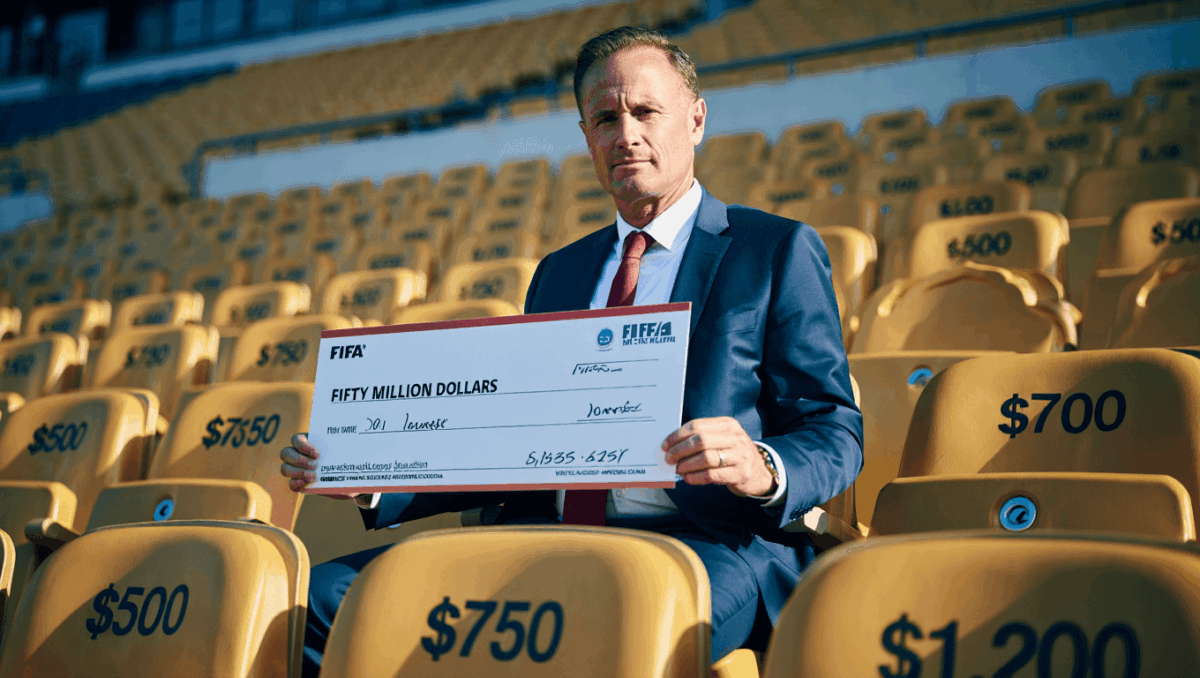
World Cup 2026 announces record $50 million prize for champions and $655 million total pool—a 50% increase from Qatar 2022. But expensive tickets are creating a two-tier system that leaves many fans unable to attend. FIFA faces growing criticism over affordability.
🔥 Quick Facts
- World Cup 2026 features 48 teams in hosts USA, Mexico, and Canada
- Prize pool hits $655 million, up from $440 million in 2022
- Winners earn $50 million (vs $42 million for Argentina in 2022)
- Final ticket at MetLife Stadium costs up to $8,680 for premium seats
Record Prize Pool Transforms Tournament Economics
America’s Next Top Model documentary drops today on Netflix with shocking revelations
Dana Eden dies at 52, Tehran producer found dead in Athens hotel
FIFA’s historic increase reflects the tournament’s expanded format featuring 48 competing nations instead of the traditional 32. The $655 million total distribution rewards teams across all participation levels.
All 48 qualified teams receive minimum compensation of $10.5 million just for participating. Runners-up capture $33 million, while semi-finalist teams secure substantial payouts. Earlier World Cup exits still reward nations participating.
Tommy Lee Jones’ daughter was pregnant before her tragic death, court docs reveal
J Cole announces The Fall-Off world tour, first global dates in decades
According to FIFA’s official announcement this week, the 50% financial increase represents the largest prize expansion in tournament history. This surpasses Qatar 2022’s record investment in soccer competition purses.
Ticket Pricing Creates Access Crisis for Ordinary Fans
Despite record prize money, ordinary supporters face unprecedented barriers to attendance. MetLife Stadium in New Jersey hosts the July 19 final, with base prices starting at $4,185 per ticket and luxury boxes reaching $8,680.
Group-stage games show similar disparities. For matches not involving co-hosts USA, Mexico, or Canada, cheapest available seats range from $120 to $265. Original tournament bids promised only $21 baseline pricing. Real prices exceed original projections by over 500%.
FIFA responded to global backlash by introducing “Supporter Entry Tier” tickets at $60 across all 104 matches. However, only 10% of each team’s allocated inventory sells at this price, available exclusively to supporters of qualified teams with verification requirements.
Wealthy Buyers Lock Down Premium Inventory Phases
| Ticket Category | Price Range | Availability |
| Supporter Entry Tier | $60 | Limited (10% per team) |
| Standard Group Stage | $120-$265 | Most matches |
| Premium Knockout Rounds | $700-$2,000 | Quarterfinals onward |
| Final at MetLife | $4,185-$8,680 | Upper-tier only |
Early ticket sales phases rolled out last month with nearly two million tickets claimed—roughly one-third of total inventory. The current random lottery phase runs through January 13, 2026. Wealthier buyers who secured priority access early grabbed premium seats before general public draws.
Fan advocates including Football Supporters Europe issued statements calling FIFA’s tiering “historically high” and “exclusionary.” The organization notes that expensive policies exclude fans with disabilities requiring accessibility accommodations that demand premium seating locations.
Tournament Format Expands While Affordability Shrinks
This tournament marks the first 48-team World Cup ever held, expanding from traditional 32-nation format. More matches mean more tickets needed but pricing hasn’t scaled affordably for casual supporters. Stadiums hosting matches across 16 host cities in USA, Mexico, and Canada ranging from Atlanta to Seattle face separate pricing tiers by venue.
Mexico City’s Estadio Azteca commands higher premiums than secondary venues. Meanwhile, traditional Liga MX matches at the same stadium cost fans merely $15 to $50. The World Cup premium pricing represents extreme markup for identical venues used by club teams.
Tournament schedule features 104 total matches beginning in June 2026 and culminating with the final on July 19. Nations across all confederations—Europe, South America, Africa, Asia, and Concacaf—compete for the historic $50 million championship prize that now exceeds player salaries at elite clubs.
Will FIFA’s Compromise $60 Tickets Actually Reach Budget-Conscious Fans?
The Supporter Entry Tier initiative attempts addressing criticism but contains critical limitations. Tickets only apply to supporters of teams in same group, requiring official verification through the supporter association registry. Casual fans rooting for non-co-hosted nations struggle accessing this tier.
Furthermore, $60 allocations represent just 1,000 tickets per match across 104 games—roughly 104,000 affordable seats out of millions needed. By contrast, premium inventory vastly outnumbers budget options. Spanish newspaper reports and UK media coverage both noted FIFA’s attempt feels like “window dressing” amid systematic pricing inflation.
The central tension remains unresolved: Record prize pools reward wealthy nations and elite stakeholders while average supporters subsidize tournament expansion. This mirrors broader sports inequality patterns where televised audiences grow while live attendance increasingly becomes luxury experience reserved for affluent consumers only.
Sources
- ESPN – Record $50M World Cup prize money announcement
- Guardian – Expensive tickets and fan exclusion analysis
- FIFA Official – Prize pool and ticket tier confirmations

Jessica Morrison is a seasoned entertainment writer with over a decade of experience covering television, film, and pop culture. After earning a degree in journalism from New York University, she worked as a freelance writer for various entertainment magazines before joining red94.net. Her expertise lies in analyzing television series, from groundbreaking dramas to light-hearted comedies, and she often provides in-depth reviews and industry insights. Outside of writing, Jessica is an avid film buff and enjoys discovering new indie movies at local festivals.