
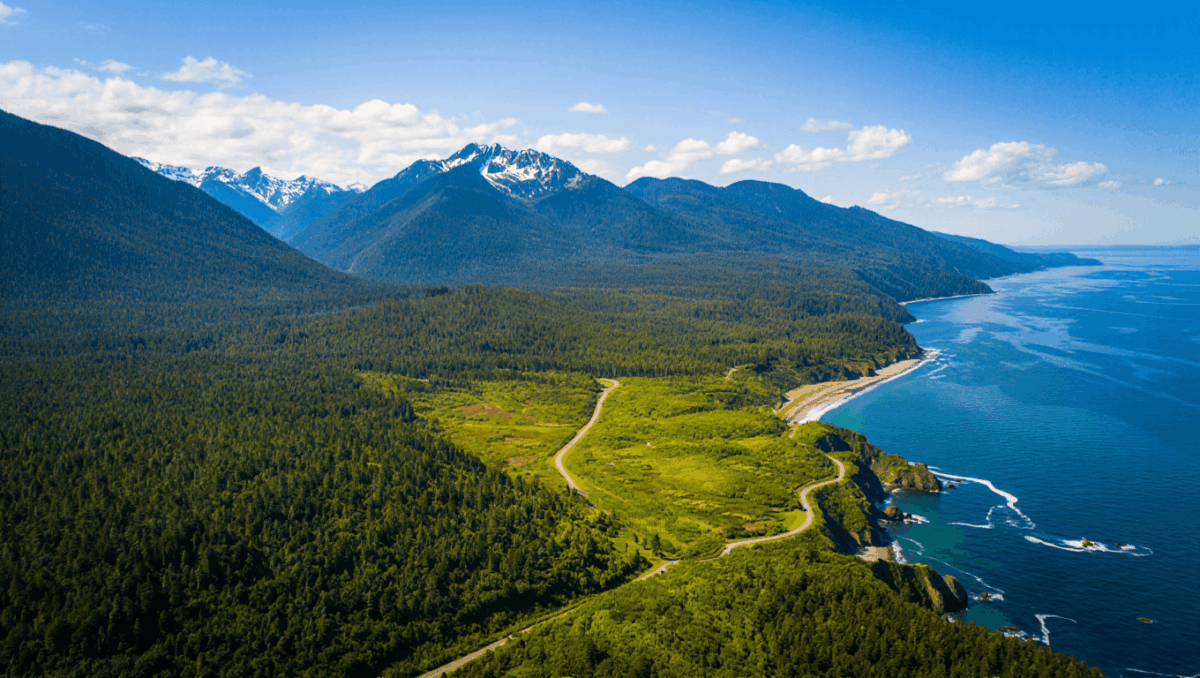
Olympic National Park just hit a stunning milestone. 3.6 million visitors flocked to Washington’s natural treasure in 2025, cementing its status as one of America’s most beloved destinations. This epic turnout means one thing: major economic gains for the entire Olympic Peninsula region.
🔥 Quick Facts
- 2025 Visitors: Park welcomed approximately 3.6 million guests throughout the year
- Economic Impact: Total visitor spending generated $516 million in economic output regionally
- Jobs Created: 2,880 direct jobs supported by visitor spending in surrounding communities
- Visitor Spending: Per-visitor expenditures reached $380 million in direct spending during 2024
Record Visitation Reflects Growing Global Demand
America’s Next Top Model documentary drops today on Netflix with shocking revelations
Dana Eden dies at 52, Tehran producer found dead in Athens hotel
Olympic National Park is experiencing unprecedented popularity. The 3.6 million visitors in 2025 represents sustained interest in the park’s diverse attractions. This places the park among the top 25 most-visited national parks nationwide. Superintendent Sula Jacobs announced the figures during a presentation to the Port Angeles Chamber of Commerce on January 15, 2026. The visitation trend demonstrates travelers worldwide seek experiences combining rainforests, mountains, and coastline in one destination.
The park’s ability to attract nearly 3.7 million visitors annually has become consistent. Previous years show 3.7 million in 2024 and documented growth trends. This stability proves the park’s appeal transcends seasonal fluctuations. Visitors prioritize experiencing the Olympic Peninsula‘s unique ecosystem before potential changes occur.
Economic Windfall Transforms Local Communities
Tommy Lee Jones’ daughter was pregnant before her tragic death, court docs reveal
J Cole announces The Fall-Off world tour, first global dates in decades
Visitor spending creates tangible benefits for Washington communities surrounding the park. The $516 million in economic output represents substantial wealth injection into local businesses. Tourism spending by park visitors directly supports 2,880 jobs in hospitality, restaurants, lodging, and retail sectors. Breaking down expenditures, 33% of visitor spending goes to lodging accommodations and 20% funds restaurants. This distribution ensures diverse business segments benefit from seasonal and year-round tourism.
The regional economic model reveals parks function as economic engines. Every visitor dollar circulates through local economies multiple times. Lodging sector receives the largest direct contribution, followed by food service operations. Smaller businesses, including gift shops and activity operators, capture additional revenue streams. This multiplier effect elevates entire regional economies.
Key Park Metrics and Visitor Breakdown
| Metric | 2025 Data |
| Annual Visitors | 3.6 million |
| Tourism Revenue | $516 million regional output |
| Jobs Supported | 2,880 regional positions |
| Top Spending Sector | Lodging (33% of total) |
“These numbers highlight the important connection between Olympic National Park and our neighboring communities. We are all working together to preserve, enjoy, and share the treasures of the Olympic Peninsula.”
— Sula Jacobs, Superintendent of Olympic National Park
What Drives the Tourist Surge to Olympic National Park
Olympic National Park offers unmatched geographic diversity within a single destination. The Hoh Rain Forest showcases temperate rainforest ecosystems with towering Sitka spruce and western hemlock trees. Hurricane Ridge provides alpine meadows and mountain vistas accessible by scenic drive. The rugged Pacific coastline features tide pools, sandy beaches, and dramatic rock formations. These distinct zones appeal to different visitor preferences simultaneously. Photographers seek unique natural compositions, families want accessible trails, and adventure enthusiasts pursue challenging hikes.
The park’s hiking trail system attracts visitors year-round. Popular routes include the Marymere Falls Trail, Hoh River Trail, and Hurricane Hill Trail. Each trail showcases different ecosystem types. This diversity ensures repeat visitors discover new experiences. The park also accommodates casual day visitors through scenic drives and short walks. This accessibility broadens appeal beyond experienced backpackers.
How Can Communities Maximize Tourism While Protecting What Makes Olympic Special
Park management requires balancing tourism growth with conservation. Superintendent Jacobs emphasized the park’s commitment to listening to local businesses while maintaining preservation standards. Summer 2026 brings infrastructure projects: road improvements near Mora Campground and one-lane closures in the Hoh Rain Forest. These temporary disruptions serve long-term maintenance goals. Planned projects demonstrate proactive management preventing larger future issues. The park operates with limited seasonal windows for road work, requiring strategic scheduling. Additionally, Hurricane Ridge Lodge reconstruction proceeds carefully within existing footprints, preserving the historic site’s character while modernizing facilities. As visitation continues climbing, infrastructure investments protect both visitor experiences and ecological integrity.
