
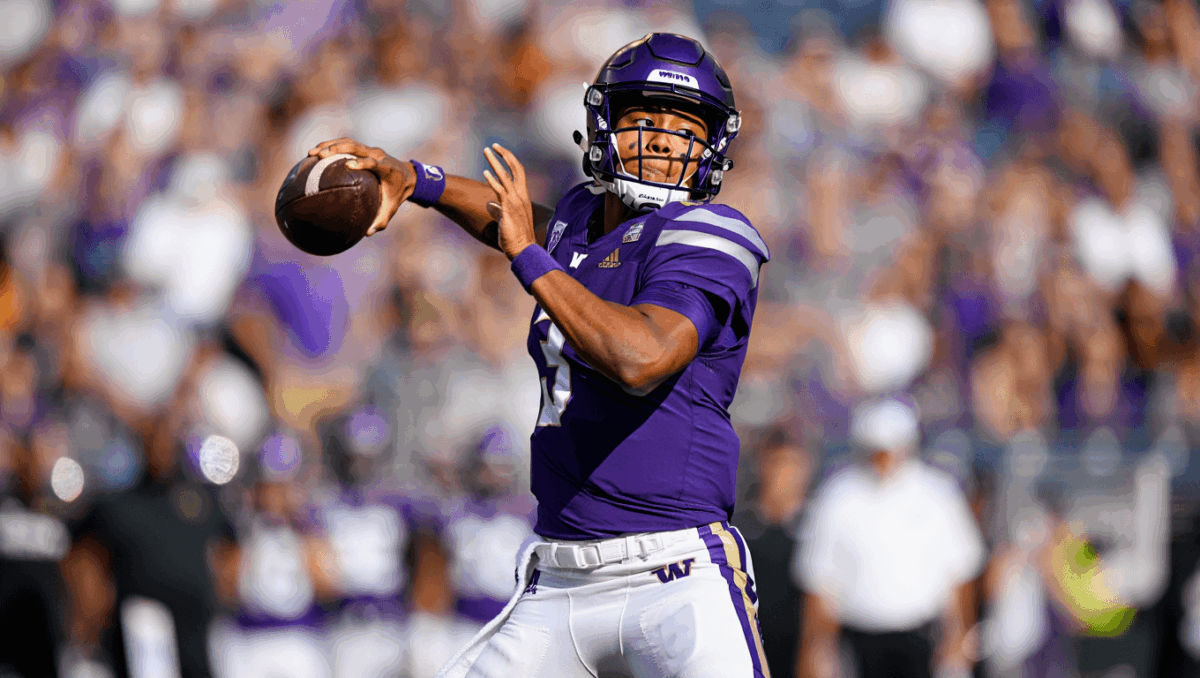
Demond Williams Jr. just stunned college football by entering the transfer portal days after signing a $4 million NIL contract with Washington. The shocking move sent shockwaves through the Big Ten and beyond, raising explosive questions about whether contracts in college sports can actually be enforced. What comes next could reshape the entire system.
🔥 Quick Facts
- Contract Signed: January 2, 2026, worth approximately $4 million for one season
- Portal Entry: January 6-7, 2026 — just four days after signing the deal
- Washington Response: Refusing to submit Williams to the NCAA transfer portal, threatening legal action
- Agent Status: Doug Hendrickson of Wasserman Football dropped Williams on January 8 citing “philosophical differences”
The Contract That Changed Everything in 48 Hours
Cagliari faces Lecce tonight in Serie A showdown, Rossoblu seek top-half push
Girona faces Barcelona tonight in La Liga showdown, Barcelona chases lead
Demond Williams Jr. signed a binding one-year revenue-share agreement worth roughly $4 million on Friday, January 2. The Big Ten template contract included crucial language: a buyout clause at the “sole discretion” of Washington and explicit language stating the university was “not obligated to enter the Student-Athlete into the transfer portal.” By Tuesday evening, January 7, the quarterback posted on Instagram that he’d entered the portal despite the contract’s restrictions. The speed shocked teammates and coaches who were attending a Celebration of Life service for goalkeeper Mia Hamm, who passed away in November.
The contract’s non-compete clause allegedly prohibits other schools from using Williams’ name, image, and likeness. Washington views this as a binding commitment. ESPN reported that the quarterback used a “do not contact” tag, signaling he already had a destination in mind. College sports officials told ESPN this situation represents “one of the big moments in college football” regarding contract enforceability.
What Made the Sophomore Star Decision This Way?
East Texas A&M faces Southeastern in Family Fun Day matchup today
Macclesfield faces Brentford tonight in FA Cup fourth-round showdown
Williams completed his sophomore season averaging 161 passing efficiency rating with 3,065 passing yards, 25 touchdowns, and just eight interceptions. He added 611 rushing yards and six rushing touchdowns on the ground. As a four-star recruit, he’d committed to Lane Kiffin’s Ole Miss in high school before transferring to Arizona and then following coach Jedd Fisch to Washington. Industry sources suggest Cordell Landers, an adviser involved in high-profile portal moves, may have contacted schools on Williams’ behalf. LSU and Kiffin are presumed favorites — Kiffin and Williams have a prior connection from his Ole Miss commitment days.
The timing raises critical questions: What changed in four days to trigger this reversal? Reports indicate outreach from outside entities occurred for “more than two weeks” before the contract signing. Washington officials suspect tampering and submitted evidence to the Big Ten. The quarterback’s decision to announce portal entry during a memorial service drew criticism from Seattle Times columnist Matt Calkins, who called it the result of “horrible advice from his PR team.”
Washington’s Legal Counterattack and Contract Enforceability
University of Washington officials are “prepared to pursue all legal avenues” to enforce Williams’ signed contract, according to ESPN. The school has declined to submit his name to the NCAA transfer portal, citing the binding contract terms. The Big Ten Conference is also engaged, having publicly stated that “agreed-to obligations must be respected, honored, and enforced.” This case mirrors the Damon Wilson II situation at Georgia, where the Bulldogs are pursuing $390,000 in liquidated damages against the edge rusher who transferred to Missouri.
| Legal Factor | Details |
| Contract Type | Big Ten template NIL agreement with buyout “at sole discretion” of Washington |
| Non-Compete Clause | Prohibits other schools from using Williams’ NIL rights |
| Portal Requirement | Statement says UW not obligated to facilitate transfer or submit to portal |
| Precedent | Similar to Wisconsin v. Miami (Xavier Lucas case), still unresolved |
“This is a very bright line. Are we going to respect each other’s contracts? This is a very simple thing. If we can’t protect this, nothing else matters.”
— Unnamed High-Ranking College Official, speaking to ESPN
The Agent’s Bombshell Move: Doug Hendrickson Walks
Doug Hendrickson of Wasserman Football announced on Instagram January 8 that he would no longer represent Demond Williams Jr., citing “philosophical differences.” The dramatic exit shocked the college sports world. Hendrickson also represents Washington head coach Jedd Fisch, creating an immediate conflict-of-interest scenario. The agent reportedly was blindsided by Williams’ portal entry, having negotiated the $4 million deal just days earlier. This unprecedented development leaves the quarterback without formal representation during the most critical moment of his college career — with legal battles looming and his future uncertain.
The agent’s departure suggests deep frustration over the quarterback’s decision to violate the contract. ESPN reported that Cordell Landers, who loomed large in Nico Iamaleava’s departure from Tennessee to UCLA last year, may be involved behind the scenes. Landers denied involvement to ESPN, but his connections to high-profile portal moves are well-documented in college sports.
Will This Case Reshape College Sports Contracts Forever?
The Williams situation exposes a critical flaw: college sports lacks a single entity to enforce contracts between players, schools, and third parties. The NCAA handles tampering allegations, but enforcement is nearly impossible post-2024 federal ruling in Tennessee. The College Sports Commission handles only third-party NIL compliance, not school-to-player deals. Multiple athletic directors told ESPN this represents a pivotal moment for whether college sports will maintain contractual integrity. If Williams successfully transfers despite his binding agreement, it signals that contracts are unenforceable. If Washington prevails in court, it could trigger massive upheaval across the transfer portal landscape.
One veteran head coach told ESPN with frustration: “I don’t even know who we turn complaints in to.” Another prominent athletic director stated: “This situation is a product of 2026 football.” The bigger question looms: Can college sports respect binding agreements, or will this era devolve into complete chaos where any player can abandon any contract at will?
Sources
- Los Angeles Times — Breaking details on Washington’s legal strategy and NIL contract terms
- ESPN — Comprehensive reporting on contract enforceability and college sports implications
- FOX Sports — Timeline of events, agent situation, and transfer portal facts

Michael Brown is a seasoned sports journalist bringing years of experience covering professional athletics and sporting culture. With a keen eye for breaking stories and player dynamics, this veteran journalist delivers in-depth analysis and exclusive insights from the world’s biggest sporting events. His passion for the game shines through in every story, keeping fans connected to the action both on and off the field.