
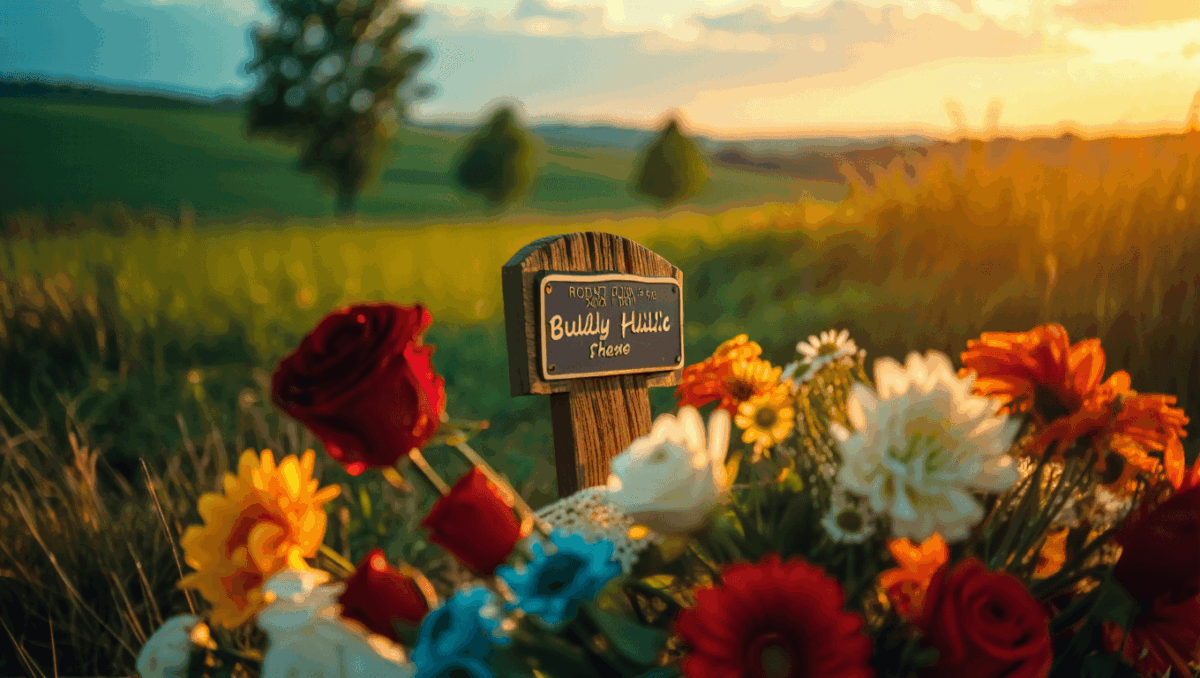
“Inside American Pie” arrives today to solve the mystery nobody could crack. As February 3 marks 67 years since Buddy Holly, Ritchie Valens, and The Big Bopper perished in the legendary plane crash, a bold new live show decodes what Don McLean meant with rock’s greatest riddle.
🔥 Quick Facts
- The Day the Music Died: February 3, 1959 plane crash that killed 3 rock icons near Clear Lake, Iowa
- Don McLean’s Epic: “American Pie” released in 1971, immortalizing the tragedy in cryptic, packed lyrics
- Inside American Pie: Live docu-concert now touring, performing in Leicester (Feb 26-Mar 14) and Toronto (Apr 14-May 3, 2026)
- Musical Mysteries Unlocked: Show explores hidden references to Bob Dylan, The Beatles, Janis Joplin, and the Rolling Stones
A Song That Refused to Explain Itself
America’s Next Top Model documentary drops today on Netflix with shocking revelations
Dana Eden dies at 52, Tehran producer found dead in Athens hotel
Don McLean famously never revealed the exact meaning of “American Pie.” For 55 years, fans obsessed over every lyric, searching for answers in its eight-minute runtime. Mike Ross and Sarah Wilson, two Toronto-based musicians and theater artists, decided the mystery itself was the message. Rather than pretend to offer definitive answers, they built an entire theatrical experience around the intriguing process of exploration. The show invites audiences to trace connections and draw their own conclusions.
The result transformed from a pandemic-born concept into a cultural phenomenon. Initially created for Harmony House, a tiny 140-seat venue in Prince Edward Island, the production has sold out for four consecutive summers and now tours internationally. The magic isn’t in solving the riddle, audiences discover. It’s in hunting for it together.
When February 3 Changed Music Forever
Tommy Lee Jones’ daughter was pregnant before her tragic death, court docs reveal
J Cole announces The Fall-Off world tour, first global dates in decades
On February 2, 1959, three rock pioneers took the stage at the Surf Ballroom in Clear Lake, Iowa. Buddy Holly, Ritchie Valens (age 17), and JP Richardson, known as The Big Bopper, performed their final show as part of the “Winter Dance Party” tour. The next morning, their chartered small plane crashed in a snowy field, killing all three musicians plus pilot Roger Peterson. Waylon Jennings, supposed to fly instead of Holly, had quipped goodbye: “I hope your plane crashes.” Holly’s reply, meant as a joke, haunted Jennings for life.
The tragedy shattered the rock world. Pop music lost its innocence that day. Don McLean, only 14 years old when it happened, carried that wound through his teens and into his songwriting. When he finally released “American Pie” in 1971, he was channeling a generation’s collective grief.
Decoding the Riddles Inside the Song
| Cultural Reference | What The Show Explores |
| The Day the Music Died | The 1959 Buddy Holly plane crash and its aftermath |
| The Jester and The King | Hidden references to Bob Dylan, The Beatles, Elvis |
| Helter Skelter | Charles Manson, The Rolling Stones, and 1960s darkness |
| Miss American Pie | Identity unknown, fan theories range from Janis Joplin to cultural metaphor |
The song’s genius is its refusal to confirm anything. Mike Ross explained: “There are no answers. But it’s an intriguing process to try to figure it out, to try to unlock the meaning behind some of these abstract references.” The show doesn’t pretend to solve the puzzle. Instead, it traces the historical moments McLean was experiencing during the 1950s and 1960s, allowing audiences to see how tragedy, cultural upheaval, and lost innocence wove together.
“We assume we have audience members who know their stuff, but we also want to include people coming with no knowledge whatsoever. The goal is engagement for both music historians and casual fans.”
Sarah Wilson, co-creator and theater artist
Why This Song Still Dominates Rock Conversations
“American Pie” topped the Billboard Hot 100 chart in 1972 and became one of the most iconic rock anthems ever recorded. The song’s 8-minute 36-second runtime was controversial for radio at the time, yet it charted anyway. It won the Grammy Award for Best Original Song when the movie was released. Generations have sung the chorus without fully grasping the verses tucked between.
Part of its power comes from that mystery. McLean intentionally kept explanations vague, allowing each listener to find personal meaning. Rolling Stones fans debated whether they were villains or victims in the narrative. Bob Dylan devotees hunted for references. Beatles scholars traced every mention. The song united rock fans in a shared puzzle that nobody could definitively solve.
Why Does the American Pie Mystery Still Captivate Us in 2026?
More than 50 years after its release, “American Pie” continues to spark conversation because it’s really about loss, cultural change, and the end of an era’s innocence. February 3 remains a day of remembrance for musicians and historians. Inside American Pie honors that by combining live music with storytelling that respects the tragic history while celebrating the enduring power of one transformative song.
When audiences leave the show, they’re often singing the chorus together, a moment Ross describes as “a bit of a holy experience in a secular way.” The living, evolving piece of American mythology that McLean created continues to move people, connect generations, and invite us to remember not just the day the music died, but how one song transformed that darkness into light.
Sources
- Parade Magazine – “The Mystery Behind ‘The Day the Music Died’ Gets a New Live Show” (Feb 3, 2026)
- Mirvish Productions – Inside American Pie official show details and tour information
- Case Western Reserve University – Historical documentation of the February 3, 1959 plane crash and Don McLean’s tribute

Jessica Morrison is a seasoned entertainment writer with over a decade of experience covering television, film, and pop culture. After earning a degree in journalism from New York University, she worked as a freelance writer for various entertainment magazines before joining red94.net. Her expertise lies in analyzing television series, from groundbreaking dramas to light-hearted comedies, and she often provides in-depth reviews and industry insights. Outside of writing, Jessica is an avid film buff and enjoys discovering new indie movies at local festivals.