
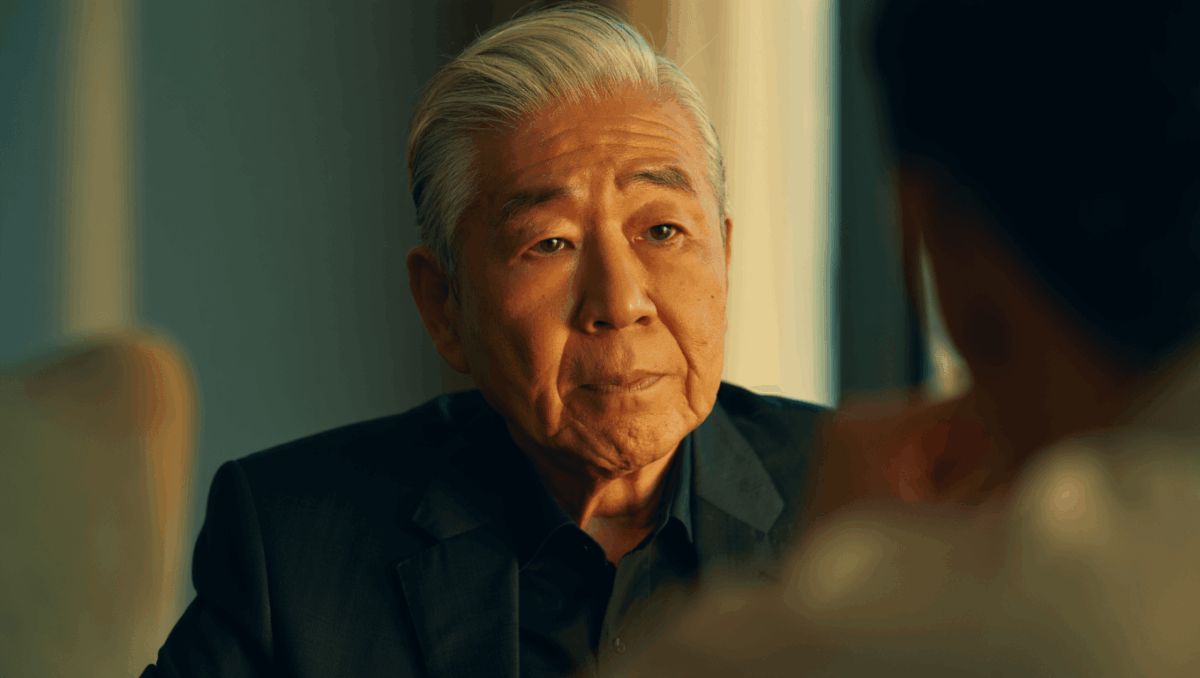
Ahn Sung-ki, South Korea’s beloved ‘Nation’s Actor,’ has died at age 74. The legendary performer passed away January 5, 2026, after a seven-year battle with blood cancer. His gentle, dignified presence defined Korean cinema for six decades.
🔥 Quick Facts
- Death Date: January 5, 2026 at Seoul’s Soonchunhyang University Hospital
- Age: 74 years old, born January 1, 1952
- Cause: Airway obstruction after six days hospitalized; blood cancer since 2019.
- Legacy: Over 100 to 170 films, six-decade career earning 20+ major awards
A Life of Gentle Power in Korean Cinema
America’s Next Top Model documentary drops today on Netflix with shocking revelations
Dana Eden dies at 52, Tehran producer found dead in Athens hotel
Ahn Sung-ki became synonymous with quality South Korean filmmaking. He made his debut at age 5 in 1957 in the film Twilight Train. From child roles to commanding adult performances, Ahn shaped modern Korean cinema across 60+ years. His friendly public image and quiet charisma made him a trusted presence on screen.
Unlike many stars, Ahn prioritized film over television. This commitment to cinema elevated his craft. Directors and co-stars respected his professionalism. Audiences nominated him ‘The Nation’s Actor’ through public surveys, a title that reflected genuine national affection.
Iconic Roles That Defined an Era
Tommy Lee Jones’ daughter was pregnant before her tragic death, court docs reveal
J Cole announces The Fall-Off world tour, first global dates in decades
Ahn’s breakthrough adult role came in 1980 with A Good, Windy Day, earning him the Best New Actor award at South Korea’s Grand Bell Awards. His remarkable range spanned drama, action, and historical epics.
His 2003 performance in Silmido as a rigid military commander became legendary. The film shattered records as Korea’s first film to draw 10 million viewers. Later roles in Two Cops (1993), White Badge (1992), and Hansan: Rising Dragon (2022) demonstrated unwavering excellence across decades.
Awards and Recognition
| Honor | Year/Notes |
| Grand Bell Awards Best Actor | Won 5 times, multiple decades |
| Lifetime Achievement Award | Baeksang Arts Awards, 2022 |
| Geumgwan Order of Cultural Merit | Highest honor, awarded posthumously 2026 |
| Major Awards Count | Over 20 trophies from major Korean ceremonies |
“He left a great footprint in Korean film history and did not discriminate between lead and supporting roles.”
— South Korean President Lee Jae-myung, paying tribute
Honoring a National Treasure’s Final Days
Ahn was hospitalized December 30, 2025, after suffering an airway obstruction while eating. Despite cardiopulmonary resuscitation, his body could not recover. He remained in critical condition for six days before passing January 5 morning at 9 a.m. local time.
His death sent shockwaves through South Korean society. The government immediately announced the highest cultural honor, the Geumgwan Order of Cultural Merit, awarded posthumously. Film industry luminaries including Lee Jung-jae and Jung Woo-sung carried his remains at an emotional cinema industry funeral. His two sons accepted the award on his behalf.
What Does Ahn’s Legacy Mean for the Future of Korean Cinema?
Ahn Sung-ki represented an entire era of Korean film history. His evolution as an actor mirrored the growth of South Korean cinema itself, from post-war recovery through global success. New generations studied his performances for lessons in authenticity and emotional restraint.
Industry figures mourned the loss of a living bridge between cinema’s past and future. Directors credited him with elevating entire productions. Younger actors spoke of him as a standard of excellence. His death marks the end of an era, yet his 170+ films remain windows into Korean culture for audiences worldwide. The question now becomes, who will carry forward the gentleness and integrity Ahn embodied?
Sources
- New York Times – Comprehensive obituary documenting Ahn’s 60-year career and impact on Korean cinema
- Chosun Ilbo – Official government announcement of posthumous Geumgwan Order of Cultural Merit award
- Korea Herald – Analysis of Ahn’s 170 films and evolution across modern Korean film history

Jessica Morrison is a seasoned entertainment writer with over a decade of experience covering television, film, and pop culture. After earning a degree in journalism from New York University, she worked as a freelance writer for various entertainment magazines before joining red94.net. Her expertise lies in analyzing television series, from groundbreaking dramas to light-hearted comedies, and she often provides in-depth reviews and industry insights. Outside of writing, Jessica is an avid film buff and enjoys discovering new indie movies at local festivals.