
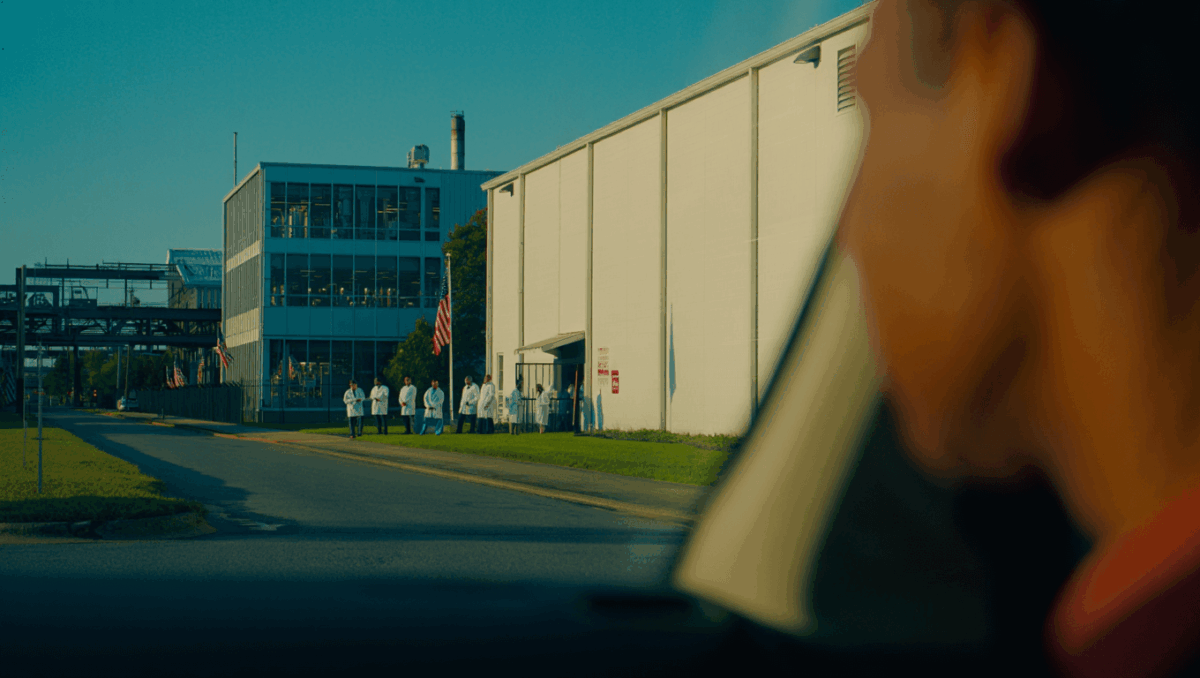
Eli Lilly announced a massive $6 billion investment in Huntsville, Alabama today to manufacture active pharmaceutical ingredients for its obesity drugs and GLP-1 treatments. This represents the third of four major U.S. manufacturing facilities the pharmaceutical giant plans to build as part of a $27 billion reshoring initiative. The facility aims to meet skyrocketing demand for blockbuster weight-loss medications like Zepbound and Mounjaro.
🔥 Quick Facts
- $6 billion investment in new manufacturing facility in Huntsville, Alabama, announced December 9, 2025
- 450 jobs expected to be created by the new active pharmaceutical ingredients plant
- Part of $27 billion U.S. manufacturing expansion announced in February 2025 across four sites
- Will produce GLP-1 drugs including oral obesity treatment and peptide medicines alongside Mounjaro and Zepbound
Alabama Becomes Third Hub in Eli Lilly’s Manufacturing Explosion
Intuit emerges as best software stock for 2026 while stock crashes to bargain levels analysts didn’t expect
2026 tax brackets shock Americans with hidden paycheck truth nobody expected
Huntsville, Alabama has been selected as the site for Eli Lilly’s third major U.S. manufacturing facility in its ambitious reshoring plan. The company previously announced investments in Indiana and Virginia, with the Alabama facility representing another critical piece of its domestic production strategy. The plant will focus on manufacturing active pharmaceutical ingredients (APIs), which are the core compounds used to create finished medications.
Manufacturing in the United States allows Eli Lilly to reduce supply chain vulnerabilities and ensure consistent availability of its most profitable drugs. The Alabama location offers strategic advantages including workforce availability and proximity to transportation networks. These investments demonstrate the company’s confidence in long-term demand for its obesity and diabetes treatments.
Meeting Skyrocketing Demand for Weight-Loss Blockbusters
Marcus Lemonis takes CEO role at Bed Bath & Beyond with $25M cost-cutting plan and watch what industry experts are saying about his next move
SPX surges 34 points at open with shocking tech recovery, here’s what caused the unexpected Venezuela rally
Eli Lilly’s Mounjaro and Zepbound have become pharmaceutical powerhouses, generating combined sales of nearly $16 billion in 2024. The weight-loss drug market is projected to reach $150 billion annually by 2030, with Eli Lilly and Novo Nordisk expected to dominate global sales competition. The Alabama facility directly addresses manufacturing bottlenecks that have plagued previous supply expansion attempts.
The upcoming oral GLP-1 treatment currently in development could become even more lucrative than injectable formulations. Easier administration without needles could expand the patient population significantly. Analysts expect these medications to eventually generate well over $30 billion in combined annual sales for the company within the next five years.
Facility Details and Production Capabilities
| Facility Aspect | Details |
| Location | Huntsville, Alabama |
| Investment Amount | $6 billion |
| Expected Jobs | 450 positions created |
| Production Focus | Active pharmaceutical ingredients for small molecules and peptides |
| Key Products | Oral GLP-1, Mounjaro, Zepbound, other synthetic medicines |
| Status | Announced December 2025; timeline to be determined |
The state-of-the-art facility will produce both synthetic and peptide medicines alongside obesity drugs. Production will include small molecule compounds and more complex peptide-based treatments. This dual-capacity approach ensures the plant can manufacture multiple product types while maintaining strict pharmaceutical quality standards.
Construction and hiring timelines remain flexible, allowing Eli Lilly to adjust production based on market demand. The company emphasized that this investment reflects its commitment to U.S.-based manufacturing and supply security for healthcare providers and patients nationwide.
Strategic Context: The Broader $27 Billion Reshoring Plan
The Alabama facility is one component of Eli Lilly’s unprecedented $27 billion American manufacturing expansion announced in February 2025. The company is building or expanding four U.S. sites simultaneously, representing the largest pharmaceutical reshoring initiative in recent company history. This strategy positions Eli Lilly as a Made-in-America pharmaceutical leader while competitors navigate global supply chains.
Previous investments included a $5.3 billion expansion in Lebanon, Indiana for tirzepatide production and separate investments in Virginia and another undisclosed location. These coordinated facilities create geographic redundancy and production flexibility across the United States. The approach addresses both government pressure for domestic drug manufacturing and industry demand for supply chain resilience.
“This investment underscores our commitment to strengthening America’s pharmaceutical manufacturing capabilities and meeting the growing global demand for our medicines.”
— Eli Lilly Company Statement, December 9, 2025
What Does This Mean for Patients and the Obesity Drug Market?
The Alabama investment signals Eli Lilly’s confidence in long-term obesity drug demand despite market saturation concerns. Stock market analysts viewed the announcement favorably, recognizing that supply constraints have limited Mounjaro and Zepbound availability for years. Manufacturing expansion directly translates to patient access and reduced shortage risks.
For healthcare systems and patients seeking weight-loss medications, the Alabama facility promises more consistent availability within 2-3 years. International markets will also benefit as domestic production reduces export costs and delivery times. The timing suggests Eli Lilly expects continued blockbuster sales even as generic competition eventually emerges in later years.
Sources: Reuters, CNBC, PRNewswire, Wall Street Journal, AL.com, Fierce Pharma

Patrick Graham is a business and finance journalist translating Wall Street’s complexities into stories that matter to everyday readers. With extensive experience in financial journalism and economic analysis, this expert journalist provides sharp insights on market trends, corporate developments, and the economic forces affecting daily life. His reporting helps readers make sense of the business world’s biggest moves.