
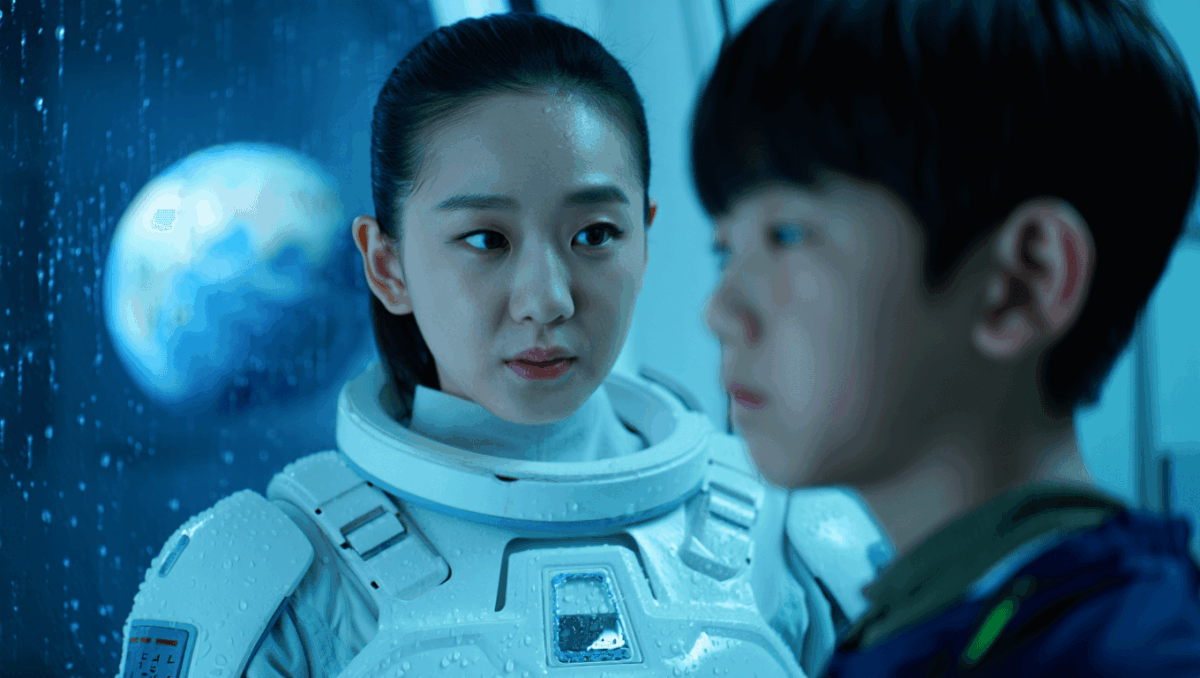
The Great Flood movie explained: The simulation twist ending reveals everything viewers saw after the apartment flood was a virtual test. Both An-na and Ja-in are synthetic humans created by scientists to determine if artificial beings can develop genuine human emotions.
🔥 Quick Facts
- Netflix released The Great Flood on December 19, 2025, featuring Kim Da-mi and Park Hae-soo
- The entire flood scenario is a virtual simulation testing the Emotion Engine technology
- An-na dies during the original flood, and her consciousness is recreated synthetically
- The film cycled through tens of thousands of simulations before the Emotion Engine succeeded
The Real Plot vs The Simulation
America’s Next Top Model documentary drops today on Netflix with shocking revelations
Dana Eden dies at 52, Tehran producer found dead in Athens hotel
The Great Flood operates in two distinct layers of reality. The initial sequence shows An-na, a scientist studying AI emotions, trapped in a Seoul apartment with her young son Ja-in as an asteroid impact triggers catastrophic flooding that submerges Earth.
An-na attempts escape with Ja-in while they encounter Son Hee-jo, who explains a helicopter rescue is coming. During their desperate climb to the rooftop, Ja-in gets separated and becomes dangerously ill. An-na risks her life to save him, showcasing maternal instinct and love in the face of extinction.
Tommy Lee Jones’ daughter was pregnant before her tragic death, court docs reveal
J Cole announces The Fall-Off world tour, first global dates in decades
When they finally reach the rooftop, guards restrain Ja-in while forcing An-na onto a rescue helicopter. Inside the aircraft, the shocking truth emerges: the entire flood scenario never happened in reality. Instead, it was an elaborate virtual simulation created to test human emotions in synthetic beings.
What The Simulation Twist Ending Actually Means
The simulation twist fundamentally changes the story’s meaning and purpose. Scientists designed the flood scenario specifically to measure whether an artificial mother would successfully rescue her artificial son under extreme pressure. This test determines if the Emotion Engine technology can create synthetic humans capable of authentic feelings.
An-na learns that both she and Ja-in are synthetic creations built using AI technology. The original An-na died after the helicopter rescued her from the real catastrophe. Scientists then recreated her consciousness synthetically to continue their critical research project.
The flood represents the ultimate emotional test because it forces the synthetic An-na to make impossible choices. Real emotions like maternal love, sacrifice, and determination cannot be programmed—they must be developed through lived experience and genuine emotional stakes. The simulation recreates this experience repeatedly.
The Tens of Thousands of Simulation Cycles
| Simulation Element | Details |
| Testing Purpose | Measuring synthetic emotion development through mother-child rescue scenarios |
| Number of Iterations | Tens of thousands of simulation cycles completed |
| Key Breakthrough | Finding Ja-in hiding in a closet where An-na previously instructed him to go |
| Success Indicator | The Emotion Engine becomes fully functional with complete human emotions |
After the initial simulation fails, An-na is returned to relive the flood scenario multiple times. Each iteration allows her to make different choices, helping others she previously ignored. Eventually, Hee-jo also becomes aware of the simulation, and the two work together collaboratively.
The turning point comes when An-na remembers that Ja-in likes hiding in closets when frightened. In the final successful iteration, she finds him exactly where she previously instructed him to go during an earlier cycle. This moment proves that genuine emotion—maternal instinct and unconditional love—has developed in the synthetic being.
How An-na and Ja-in Become Fully Synthetic Humans
The film’s ending reveals a bittersweet resolution to the story. Once the Emotion Engine achieves completion through An-na successfully finding Ja-in, the synthetic versions of both mother and son are created with their memories fully intact and completely functioning human emotions.
These synthetic An-na and Ja-in board spacecraft with many other recreated humans approaching Earth’s water-covered surface. The planet remains stable enough for habitation despite the world-ending asteroid impacts and flooding that destroyed biological humanity. The synthetic beings will repopulate Earth with the capacity for genuine love, emotion, and connection.
The film suggests that survival without emotion is meaningless. Humanity’s future depends not just on physical recreation but on ensuring that artificial beings develop authentic emotional experiences. Pain, loss, and lived experience cannot be artificially programmed—they must be earned through genuine trials and relationships.
Why This Ending Changes Everything About Survival and Love
The Great Flood explores a profound philosophical question: can emotions be manufactured, or must they emerge organically? The simulation twist proves that synthetic humans require authentic emotional experiences to develop genuine feelings. Programming perfection requires imperfection—testing, failure, and the struggle to save what matters.
An-na’s repeated cycles through the flood scenario force her to develop deeper empathy and sacrifice. She progresses from focused survival instinct to genuine compassion for other trapped residents. This character development demonstrates that even artificial consciousness can grow toward humanity through challenging experiences.
The final image of synthetic An-na and Ja-in gazing down at Earth represents hope for a future where humanity survives not as biological beings but as emotionally complete synthetic entities. The story ultimately confirms that love transcends the boundary between artificial and natural—and that a mother’s instinct to save her child remains the most powerful emotion any being can experience.
Watch: The Great Flood Movies Explained

Sources
- Netflix – Official streaming release and teaser materials
- The Review Geek & Publishers – Comprehensive ending explanations
- The Direct – Movie meaning and thematic analysis

Jessica Morrison is a seasoned entertainment writer with over a decade of experience covering television, film, and pop culture. After earning a degree in journalism from New York University, she worked as a freelance writer for various entertainment magazines before joining red94.net. Her expertise lies in analyzing television series, from groundbreaking dramas to light-hearted comedies, and she often provides in-depth reviews and industry insights. Outside of writing, Jessica is an avid film buff and enjoys discovering new indie movies at local festivals.