
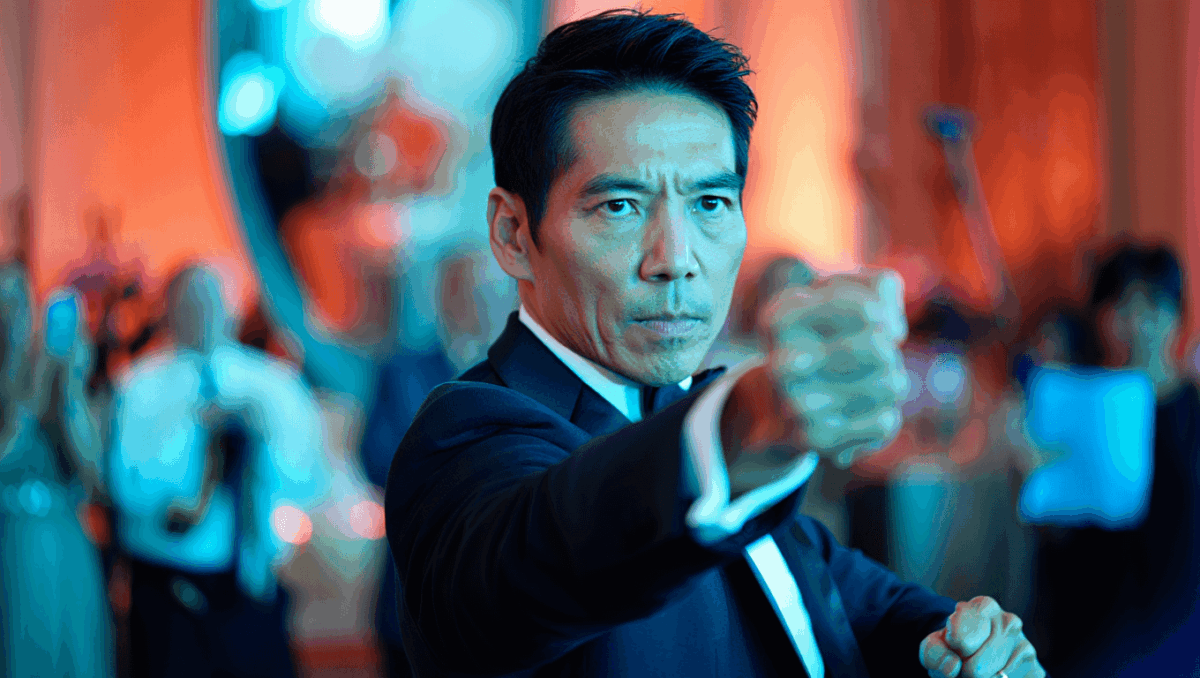
Cary-Hiroyuki Tagawa, the instantly recognizable actor best known for playing Shang Tsung in the Mortal Kombat films, has died at 75. The prolific performer passed away on December 4, 2025, in Santa Barbara, California, from complications stemming from a stroke. He was surrounded by his children when he passed.
🔥 Quick Facts
- Born September 27, 1950, in Tokyo, Japan to a Japanese actress mother and U.S. Army father
- Iconic role as Shang Tsung in the 1995 Mortal Kombat film, which grossed over $100 million
- Appeared in over 150 film, TV, and video game projects across a 40-year career
- Trained extensively in Kendo and Karate, creating his own martial arts system called Chun-Shin
From Tokyo to Hollywood: An Army Brat’s Journey
America’s Next Top Model documentary drops today on Netflix with shocking revelations
Dana Eden dies at 52, Tehran producer found dead in Athens hotel
Born into a unique cross-cultural family in Tokyo, Tagawa embodied the multicultural experience of an American military family. His mother was a Takarazuka actress, while his father served in the United States Army. The family relocated frequently across America during his childhood, with postings to Fort Bragg, North Carolina and Fort Polk, Louisiana.
Growing up as an “Army brat” during the 1950s presented unique challenges, particularly for a Japanese-American child in the American South. These experiences profoundly shaped his worldview and later informed his acting choices. At age 21, Tagawa committed to traditional Japanese martial arts studies at the University of Southern California, eventually traveling to Japan to train under Master Nakayama with the Japan Karate Association.
The Breakout: From Small Roles to Epic Films
Tommy Lee Jones’ daughter was pregnant before her tragic death, court docs reveal
J Cole announces The Fall-Off world tour, first global dates in decades
Tagawa’s acting career launched in 1986 with an uncredited role in John Carpenter’s cult classic Big Trouble in Little China. However, his true breakthrough arrived in 1987 when legendary director Bernardo Bertolucci cast him as Chang, the emperor’s driver in the Oscar Best Picture-winning film The Last Emperor. Despite the small role, it opened doors to major studio pictures.
Throughout the late 1980s and 1990s, he appeared in significant Hollywood productions including License to Kill, Rising Sun, Snow Falling on Cedars, Pearl Harbor, and Planet of the Apes. These roles often leveraged his martial arts expertise and ability to portray complex characters at the intersection of Eastern and Western cultures.
Shang Tsung and the Mortal Kombat Legacy
Tagawa became a generational icon when he first portrayed the evil sorcerer Shang Tsung in New Line Cinema’s 1995 film adaptation of Mortal Kombat. The film, shot on a $20 million budget, exploded at the box office with over $100 million in global earnings. Tagawa later reflected on the film’s perfect timing, noting that the video game was rising in popularity when filming began.
| Mortal Kombat Project | Year | Format |
| Mortal Kombat | 1995 | Film |
| Mortal Kombat Annihilation | 1997 | Film |
| Mortal Kombat: Legacy | 2013 | TV Series |
| Mortal Kombat 11 | 2019 | Video Game |
| Mortal Kombat: Onslaught | 2023 | Video Game |
He reprised the character across multiple decades, including guest appearances in the 2013 television series Mortal Kombat: Legacy, voicing the role in the 2019 video game Mortal Kombat 11, and lending his likeness to the 2023 role-playing game Mortal Kombat: Onslaught. Tagawa credited director Paul W.S. Anderson for bringing innovative energy to martial arts filmmaking, particularly through the use of driving metal music that complemented fast-paced action sequences.
“I was born in Tokyo and began training in Kendo when I was in junior high school. Being Japanese and living in the south during the ’50s was pretty tough.”
— Cary-Hiroyuki Tagawa, reflecting on his multicultural upbringing
A Career Spanning Television and Beyond
Tagawa maintained consistent work throughout his 40-year career, appearing in more than 150 projects across film, television, and video games. He starred as Nobusuke Tagomi, the Trade Minister of the Pacific States, in Amazon Prime’s acclaimed series The Man in the High Castle from 2015 to 2018. This role allowed him to explore the parallels between his character and his own life experience as someone born in Tokyo and raised in postwar America.
Other significant television appearances included Lieutenant A.J. Shimamura on Nash Bridges, Captain Terry Harada on NBC’s Hawaii, roles on Revenge, Lost in Space, and most recently voicing The Swordmaker in Netflix’s blue Eye Samurai. Directors who worked with him included Tim Burton, Michael Bay, Rob Marshall, and Ivan Reitman.
Legacy and Lasting Impact on Cinema and Television
Tagawa’s impact extends beyond his filmography. He developed his own form of martial arts philosophy called Chun-Shin, which he described as “a study of energy completely without a physical fighting concept.” His contributions to Asian representation in Hollywood during the 1980s, 1990s, and 2000s helped establish pathways for Asian-American actors in major studio productions.
He lived on the island of Kauai with his wife Sally, where they raised their family. Tagawa is survived by three children: Calen, Brynne, and Cana, as well as two grandchildren, River and Thea Clayton. His death marks the end of an era for fans who grew up with his iconic roles and those who recognized his contributions to diversifying mainstream entertainment.
Sources
- Deadline – Official obituary and career retrospective
- Wikipedia – Comprehensive filmography and biographical information
- IMdb – Career credits and production details

Jessica Morrison is a seasoned entertainment writer with over a decade of experience covering television, film, and pop culture. After earning a degree in journalism from New York University, she worked as a freelance writer for various entertainment magazines before joining red94.net. Her expertise lies in analyzing television series, from groundbreaking dramas to light-hearted comedies, and she often provides in-depth reviews and industry insights. Outside of writing, Jessica is an avid film buff and enjoys discovering new indie movies at local festivals.