
Powerball winner scoops $1.817 billion on Christmas Eve, what happens next will change their life forever
Zendaya shuts down pregnancy rumors after viral London outing with Tom Holland goes too far—here’s what she actually said
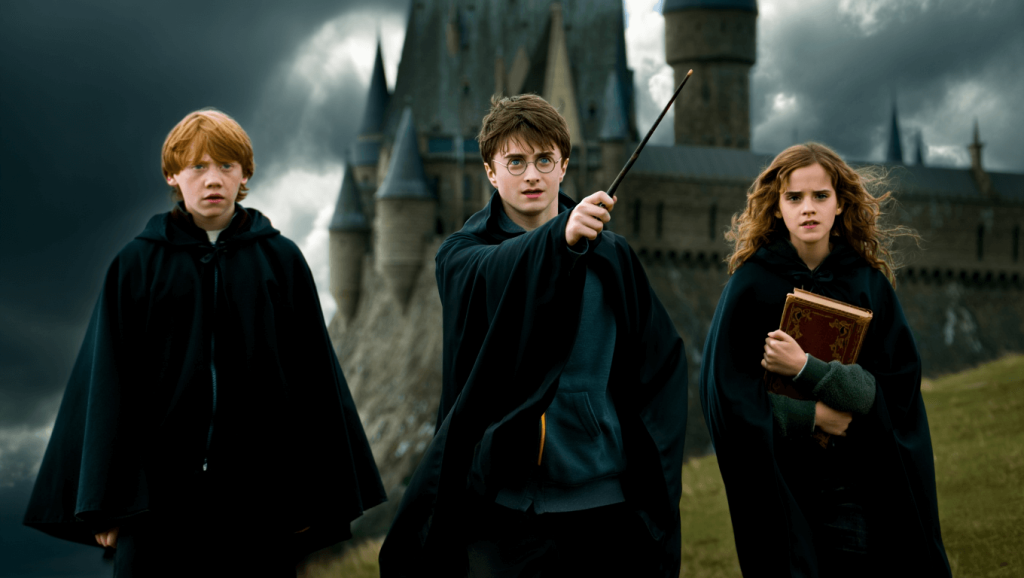
Surprising 7 shifts in 2004 left the franchise visibly older and riskier. Fans noticed the darker mood the moment Alfonso Cuarón took the helm, and critics agreed the series matured overnight. Box Office Mojo later tallied a $810,004,984 worldwide gross, while Rotten Tomatoes still lists a 91% critics score – concrete proof audiences followed the change. My take: this film turned a children’s series into a broader cinematic language, for better and worse. Which of these seven shifts still shapes what you love (or hate) about Harry Potter?
What Prisoner of Azkaban changed for fans and filmmakers in 2004
- Alfonso Cuarón directed in 2004, shifting tone to darker, more cinematic storytelling.
- $810,004,984 worldwide gross proved big-audience approval despite tonal risk.
- Critics gave the film 91% on Rotten Tomatoes; debate over maturity followed.
Short scan: this film made Potter feel older.
The 7 picks that still define Prisoner of Azkaban in 2004
1 – Alfonso Cuarón’s tonal U‑turn that made Hogwarts feel menacing
Arkansas lottery wins $1.817 billion Powerball jackpot on Christmas Eve, here’s what happens to the money
Powerball winner scoops $1.817 billion jackpot on Christmas Eve, but nobody knows who they are yet
Cuarón arrived with a clear mission: move the series out of bright family-friendly framing and into shadowier, atmospheric territory. That choice rewired fans’ expectations – you either loved the grittier cinematography or missed the previous films’ innocence. If you liked darker fantasy like Pan’s Labyrinth, this landed for you.
2 – Camera as character: handheld, wider frames, and restless movement
Prisoner of Azkaban introduced freer camera work to the franchise, making the film feel lived-in rather than stage-bound. The film’s movement lets you feel the castle breathe. It’s subtle, but you’ll see it every time the Dementors hover.
3 – Creature design and practical effects that aged better than CGI
Dementors, Buckbeak and the werewolf sequences relied heavily on practical puppetry and in-camera techniques, giving threats a tangible reality. That texture still reads on modern screens.

Short scan: practical effects still hold up.
4 – A more complex script: time travel that trusted the audience
Introducing an intricate time-turner sequence, the film asked viewers to follow multiple timelines and moral ambiguity. The payoff rewarded repeat viewings and fan discussion for years. If you enjoy puzzles, this film invited you in.
5 – A new emotional register: teens, trauma, and real stakes
The third installment made grief and fear explicit, turning school peril into psychological conflict. That emotional shift pushed subsequent Potter entries to treat characters as people, not icons. It influenced YA films that followed. Do you feel it hit too hard?
6 – Music and pacing that rebalanced spectacle and intimacy
John Williams’s score leaned on eerie motifs and quieter cues, letting relationships breathe between set‑pieces. The result: big moments felt earned rather than shouted.

Short scan: the score still haunts scenes.
7 – The franchise proved it could take creative risks – and still win
Box Office Mojo records show a $93,687,367 domestic opening and a $130,000,000 reported budget, yet global audiences rewarded the gamble. The film’s success signaled to studios that tone shifts could coexist with blockbuster returns. Would studios risk that today?
The numbers behind Prisoner of Azkaban’s cultural shift
| KPI | Value + Unit | Change/Impact |
|---|---|---|
| Worldwide gross | $810,004,984 | Blockbuster result despite tonal shift |
| Rotten Tomatoes | 91% (critics) | Strong critical backing then and now |
| Budget | $130,000,000 | Risky investment that paid off |
The film combined critical acclaim and major box office returns, validating creative risk.
How will Prisoner of Azkaban’s 2004 choices shape fandom and film going forward?
Prisoner of Azkaban rewired what a franchise could be: a commercial machine that still allowed a distinct auteur voice. That precedent helped studios greenlight riskier sequels and inspired filmmakers in YA cinema. Fans still argue: did the series improve or lose its childhood magic? Which side are you on – and what remake or restoration would convince you otherwise?
Sources
- https://www.boxofficemojo.com/title/tt0304141/
- https://www.rottentomatoes.com/m/harry_potter_and_the_prisoner_of_azkaban
- https://variety.com/2025/film/news/harry-potter-back-to-hogwarts-2025-celebrations-goblet-of-fire-1236467690/
Daniel Harris is a specialist journalist focused on the crossroads of breaking news, extraordinary history, and enduring legends. With a background in historical research and storytelling, he blends timely reporting with timeless narratives, making complex events and ancient myths resonate with today’s readers. Daniel’s work often uncovers surprising links between present-day headlines and legendary tales, offering unique perspectives that captivate diverse audiences. Beyond reporting, he is passionate about preserving oral traditions and exploring how extraordinary stories continue to shape culture and identity.
Remember when Alfonso Cuarón flipped the Hogwarts vibe in ‘04? Cameras went wild, making us feel like part of the magic. But did these shifts really change the Potterverse forever, or are we just caught in nostalgias spell? Whats your take on these transformative moves?
Anyone else notice how Alfonso Cuaróns tonal U-turn in Prisoner of Azkaban turned Hogwarts into a whole different beast in 2004? Like, did the darkness catch you off guard, or was it a welcome change for the series?
Anyone else miss the old Hogwarts vibe before Cuaróns dark twist in 04? The shift to handheld cameras was a mood, but did it make the magic feel too… real? #PrisonerOfAzkaban
Ever realize how Prisoner of Azkaban shifted the vibe in 2004? Hogwarts went all moody, cameras got wild, and we were introduced to Sirius Black. What was your favorite moment from that film? Or are you more of a purist?
Ever notice how Alfonso Cuaróns version of Hogwarts in Prisoner of Azkaban made it feel eerily menacing? The shift in tone was like trading Butterbeer for Polyjuice Potion. Which Hogwarts era do you prefer: cozy or creepy?
Imagine if Hogwarts really did exist in 2004 like the movies showed. Would you have been brave enough to explore the Whomping Willow or sneak into the Shrieking Shack? How would you have handled all those magical creatures running around?
Anyone else miss the eerie vibes from Cuaróns Hogwarts in 04? The camera work in Azkaban was on another level. Whats your favorite shift that set this movie apart in the franchise? Share!
Anyone else notice how Prisoner of Azkaban shifted the Hogwarts vibe in 2004? The dark, eerie tones really set it apart. Which aspect of the movies changes fascinated you the most?
Oh, absolutely! The shift in tone in Prisoner of Azkaban was like a breath of fresh air in the Hogwarts saga. It brought this whole new level of darkness and mystery that was just captivating. For me, what fascinated me the most was the introduction of Professor Lupin and the Dementors. They added such depth and complexity to the story. What about you? Was there a specific character or element that stole the spotlight for you in that movie? Maybe the Marauders Map or the Time-Turner plot twist? Share your thoughts!
Do you remember when Alfonso Cuarón transformed Hogwarts into a haunting place in 2004s Prisoner of Azkaban? The shift in tone was like stepping into a whole new magical realm. Whats your favorite change in the film that still sticks with you today?
Oh, the Prisoner of Azkaban shift! That was like swapping pumpkin juice for Polyjuice Potion—total game-changer. But you know what sticks with me? When the Marauders Map was introduced, revealing secrets and mischief in every corner of Hogwarts. It added a layer of mystery that still gives me chills. What about you? Any other change in the film that still works its magic on you?
Ever realize how Alfonso Cuaróns Hogwarts made your skin crawl in the best way? The shift in tone was like going from a cozy cup of Butterbeer to a shot of Firewhisky. Whats your favorite dark twist in the Prisoner of Azkaban?