
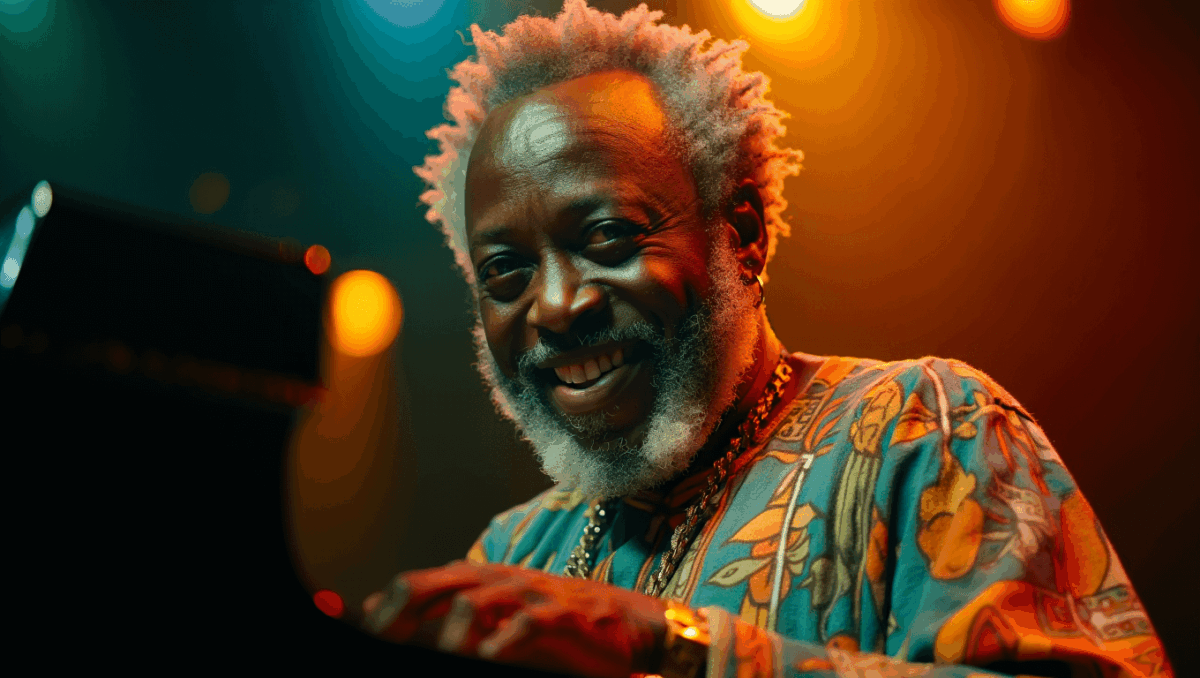
Jimmy Cliff, the reggae legend behind “I Can See Clearly Now,” has died at 81. His wife Latifa Chambers announced his passing on Monday, Nov. 24, 2025. He died from a seizure followed by pneumonia. The Jamaican icon revolutionized global music for more than five decades.
America’s Next Top Model documentary drops today on Netflix with shocking revelations
Dana Eden dies at 52, Tehran producer found dead in Athens hotel
🔥 Quick Facts:
- Died Nov. 24, 2025 from seizure and pneumonia complications.
- Born July 30, 1944 in Jamaica as James Chambers.
- Starred in landmark 1972 film “The Harder They Come.”
- Won 2 Grammy Awards; nominated 7 times throughout career.
- Inducted into Rock and Roll Hall of Fame in 2010.
- Received Jamaica’s Order of Merit, the nation’s highest honor.
What Happened to the Reggae Pioneer
Jimmy Cliff peacefully left this world on Monday, November 24, 2025. His devoted wife, Latifa, shared the heartbreaking news via Instagram. The smooth-voiced reggae icon succumbed to pneumonia following an initial seizure. He was surrounded by loved ones in his final days.
Tommy Lee Jones’ daughter was pregnant before her tragic death, court docs reveal
J Cole announces The Fall-Off world tour, first global dates in decades
For seven decades, this Jamaican musician shaped global popular culture. He wasn’t just a singer. Plus, he was an actor, songwriter, and cultural ambassador who brought reggae from Kingston to the world stage. His influence touched generations across continents.
“One of the most prominent and beloved proponents of reggae music.”
Why This Matters for Music History
Here’s the thing. Jimmy Cliff broke reggae barriers that seemed unbreakable. When most people think reggae, they imagine Bob Marley. But Cliff actually introduced reggae to international audiences first. His 1972 film and soundtrack changed everything overnight.
You might recognize his voice from Cool Runnings (that bobsled movie from 1993). His cover of “I Can See Clearly Now” launched a whole new career phase decades into his work. Plus, this wasn’t his only comeback. He constantly reinvented himself while staying true to reggae’s roots.
For fans, this loss hits different. Cliff represented more than music. He symbolized resilience, cultural pride, and artistic independence. His death marks the end of an era in global popular culture.
His Record-Breaking Career Timeline
James Chambers started performing in Jamaica during the early 1960s. He rose fast through ska and rocksteady scenes before reggae emerged. Here’s what his career looked like:
| Year/Period | Milestone |
|---|---|
| 1960s | Early reggae star; “Wonderful World, Beautiful People” becomes international hit. |
| 1972 | Stars in and scores “The Harder They Come” film; soundtrack becomes legendary. |
| 1986 | Wins first Grammy Award for “Cliff Hanger” album. |
| 1993 | “I Can See Clearly Now” featured in Cool Runnings; hits charts again. |
| 2010 | Inducted into Rock and Roll Hall of Fame. |
| 2012 | Wins second Grammy for “Rebirth” album. |
| 2022 | Releases final album “Refugees.” |
This wasn’t just longevity. This was consistent artistic growth across massive cultural shifts. He influenced countless musicians. And he never stopped creating.
What Fans Should Remember Most
Jimmy Cliff gave us invaluable gifts:
- “Many Rivers to Cross” — A resilience anthem that echoes forever.
- “You Can Get It If You Really Want” — Pure motivational reggae perfection.
- “The Harder They Come” — The song that defined coolness itself.
- Over 20 studio albums spanning from 1962 to 2022.
- A Rock Hall legacy that proves reggae belongs on every stage.
How Does His Legacy Shape Tomorrow’s Music?
Think about reggae today. Artists still sample his vocals and melodies. Many performers cite him as foundational influence. Plus, his film opened doors for musicians entering cinema. Hip-hop? Rock? Pop? All touched by his pioneering footsteps.
No joke—Cliff was nominated for seven Grammys and won twice. He received Jamaica’s Order of Merit, that nation’s ultimate honor. He stood alongside global icons while remaining authentically rooted in Caribbean culture. That balance took genius.
Was Jimmy Cliff as famous as Bob Marley? Different question entirely. But breaking reggae free required both artists. And Cliff did it first internationally. History shouldn’t forget that crucial detail.
Sources
- BBC News — Reggae legend obituary and career retrospective coverage.
- The New York Times — Career-spanning profile and tribute to reggae pioneer.
- Grammy.com — Official Grammy Awards records and nomination history.

Jessica Morrison is a seasoned entertainment writer with over a decade of experience covering television, film, and pop culture. After earning a degree in journalism from New York University, she worked as a freelance writer for various entertainment magazines before joining red94.net. Her expertise lies in analyzing television series, from groundbreaking dramas to light-hearted comedies, and she often provides in-depth reviews and industry insights. Outside of writing, Jessica is an avid film buff and enjoys discovering new indie movies at local festivals.