
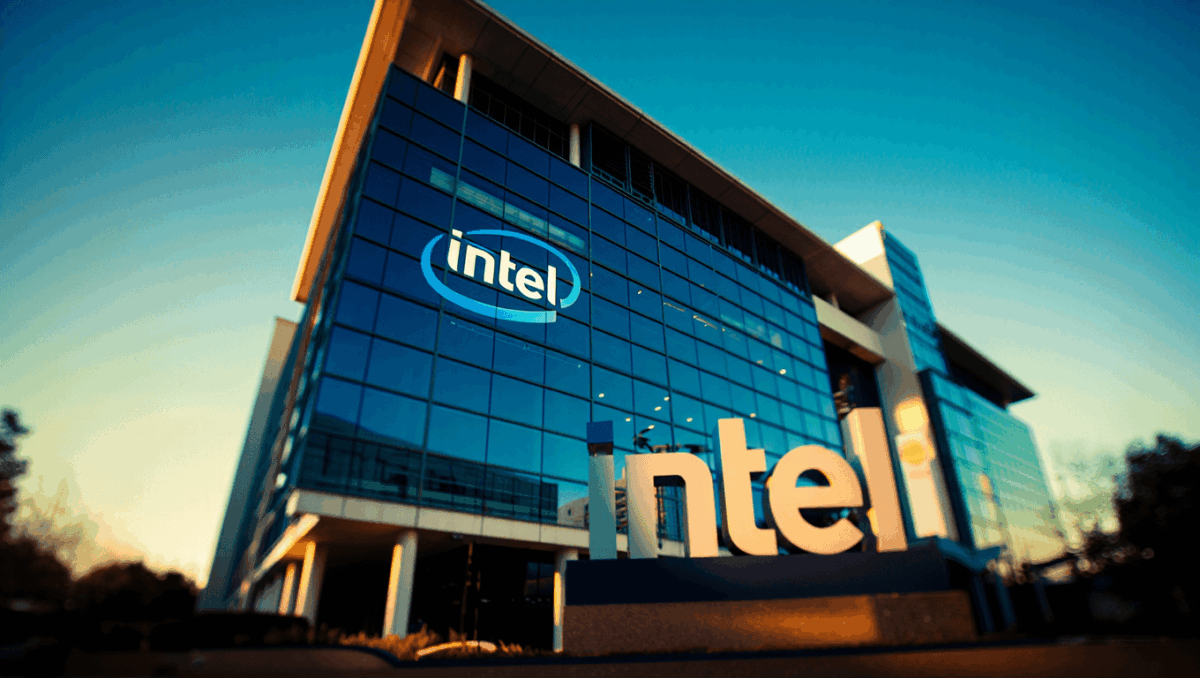
Intel stock dropped sharply this morning after a major setback in the chipmaker’s effort to win new foundry business. Nvidia tested Intel’s advanced 18A manufacturing process earlier this year but decided not to move forward, according to reports from Reuters. The decision underscores mounting challenges facing Intel’s ambitious bid to attract major tech customers.
🔥 Quick Facts
- Intel stock fell approximately 2-2.7% in premarket trading on December 24, 2025
- Nvidia tested the 18A chip-making process but halted its evaluation, two sources told Reuters
- Broadcom also participated in similar tests but faced comparable technical challenges
- The 18A process is Intel’s core strategy to win external customers for its foundry business, with claims of 15% better performance and 30% better chip density
Nvidia’s Decision Signals Setback for Intel’s Foundry Ambitions
TurboTax Expert Full Service opens January 5, 2026, and what new tax law changes mean for your refund will surprise you
Intel stock soars 4% at open with analyst predicting $50 target, here’s why Panther Lake launch today changes everything
The news came as part of a broader Reuters investigation into Intel CEO Lip-Bu Tan‘s efforts to revitalize the company following his appointment in March 2025. Nvidia recently tested whether it could manufacture its chips using Intel’s production process but stopped the evaluation, according to two unidentified sources familiar with the matter. The decision represents a significant blow to Intel’s efforts to diversify its revenue streams beyond its struggling chip design business.
Intel has positioned its 18A process technology as a cornerstone of its foundry strategy, counting on attracting major customers to utilize its manufacturing capabilities. However, despite claims that the technology offers superior performance metrics, early evaluations by potential clients have encountered technical hurdles that may be limiting demand from industry leaders.
Why Intel’s 18A Process Faces Critical Hurdles
Samsung Galaxy S26 Ultra drops at $1,299 but kept one jaw-dropping feature completely secret until February 25
CES 2026 unveils $99 AI memory wearable and smart glasses that finally look normal, but Samsung’s 6K 3D display will blow your mind
Intel’s manufacturing unit has struggled significantly to produce quality chips in-house, putting pressure on its ability to convince external customers to entrust their designs to the company. Sources indicate that the 18A process has faced substantial yield challenges—a measure of how many usable chips can be produced from a wafer—compared to established competitors like Taiwan Semiconductor Manufacturing Company (TSMC).
According to industry reports, Intel’s 18A faces 20-30% yield challenges compared to TSMC’s superior 60% yield rates, making the economics less attractive for demanding customers like Nvidia. While Intel claims its technology offers up to 15% better performance per watt and 30% better chip density, these advantages may not outweigh manufacturing reliability concerns for a company whose reputation depends entirely on precision execution.
| Technology Metric | Intel 18A | TSMC Comparison |
| Performance Gain | 15% better per watt | Baseline standard |
| Chip Density | 30% improvement | Baseline standard |
| Production Yield Rate | TBA (20-30% below target) | ~60% efficiency |
| Manufacturing Status | Risk production phase | Mature production |
Intel’s Multi-Billion Dollar Bet on Foundry Transformation
CEO Lip-Bu Tan secured a historic deal from the U.S. government in August 2025, with the Trump administration investing $5.7 billion in CHIPS Act funding and taking a nearly 10% equity stake in Intel—making the government the company’s largest shareholder. Additionally, Nvidia committed a $5 billion investment in September 2025, yet crucially made no commitment to manufacture chips using Intel’s 18A process at that time.
The foundry business has become increasingly important as Intel’s traditional chip design operations face unprecedented competition from Nvidia and AMD. Intel spent approximately $20 billion annually on manufacturing process development, seeking the capital necessary to make its foundry gamble competitive. Despite these massive investments and government support, winning over skeptical industry leaders remains elusive.
Broader Technology Industry Implications of Intel’s Challenges
Intel’s setback comes at a critical moment for U.S. semiconductor strategy. The company announced in December that CEO Tan elevated government affairs to report directly to him and appointed a Trump economic adviser to lead the function, signaling the deep integration between Intel’s fate and U.S. industrial policy objectives.
Foreign chip manufacturers operating in the U.S. have expressed concerns that government officials could favor Intel as a customer destination, potentially tilting the competitive landscape toward the company. However, the Nvidia decision suggests that raw commercial considerations—manufacturing quality, reliability, and economics—ultimately drive customer choices regardless of political support or financial incentives.
What This Means for Intel’s Path Forward in the Semiconductor Race?
The path forward for Intel appears uncertain despite massive government backing and corporate investment. Intel acknowledged internally that its 18A technology faces competitive challenges while expressing confidence in its next-generation 14A process, which the company insists will deliver superior performance and efficiency advantages. An Intel spokesperson emphasized that the company continues to see “strong interest” in its future manufacturing process offerings.
“The company’s 18A manufacturing technologies that make advanced chips are progressing well, and it continues to see strong interest for its next-generation production process, called 14A, which is expected to produce chips that are more powerful and efficient.”
— Intel Spokesperson, Intel Corporation
Sources
- Reuters – Exclusive reporting on Nvidia’s evaluation of Intel 18A process and CEO Lip-Bu Tan’s strategic efforts
- Bloomberg – Intel stock market reaction and trading analysis following Nvidia announcement
- Yahoo Finance – Market coverage of Intel’s foundry business challenges and competitive positioning

Lee Ann Anderson is a technology journalist specializing in consumer tech, digital innovation, and Silicon Valley trends. With a talent for breaking down complex technical concepts into accessible insights, this skilled journalist keeps readers informed about the gadgets, apps, and breakthroughs shaping our digital future. Her coverage bridges the gap between tech enthusiasts and everyday users.