
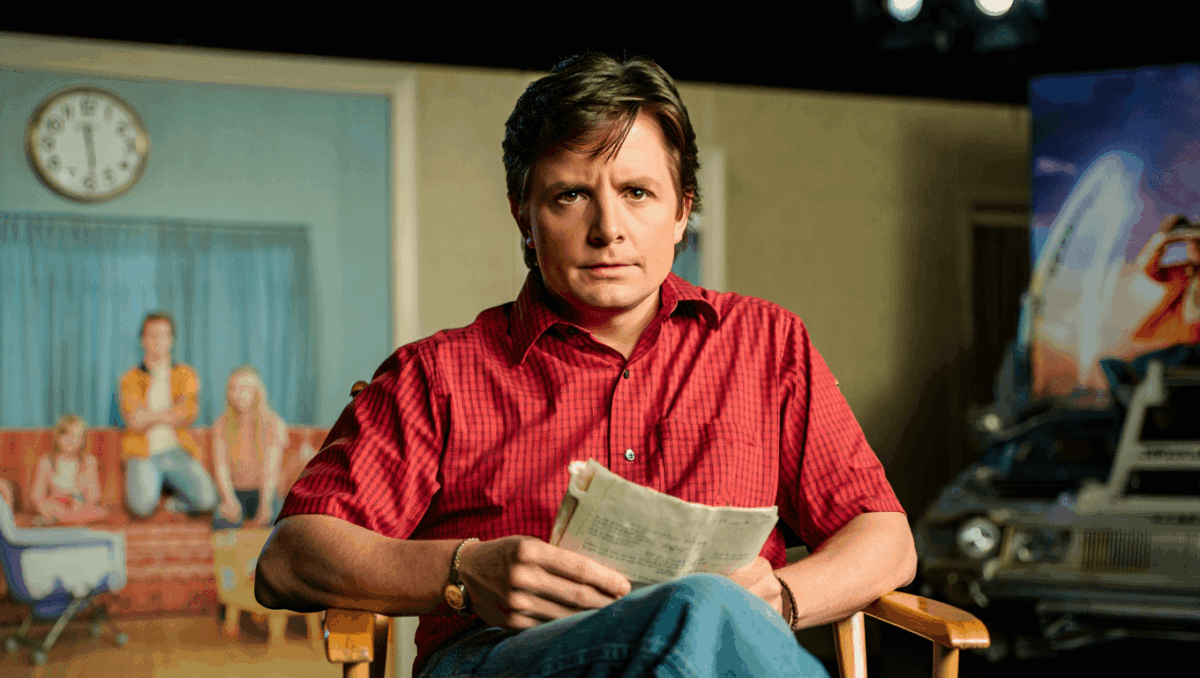
At just 23 years old, Michael J. Fox faced an impossible challenge in 1985 that would have broken most actors. He wasn’t simply balancing two roles—he was living a punishing schedule that required him to play Alex P. Keaton during daytime shoots for the hit NBC sitcom Family Ties, then race across Los Angeles to film Marty McFly in Back to the Future at night. His new memoir reveals how he survived on virtually no sleep.
🔥 Quick Facts
- Fox was 23 years old when simultaneously filming both shows in 1985
- He worked 20-hour days with only 4 hours of sleep per night during the grueling schedule
- Future Boy, his 2025 memoir, details the intense 3-month period balancing both iconic characters
- Director Bob Zemeckis‘s assistant had to intervene to protect Fox from dangerous stunts during his exhaustion
The Impossible Daily Schedule That Became Reality
America’s Next Top Model documentary drops today on Netflix with shocking revelations
Dana Eden dies at 52, Tehran producer found dead in Athens hotel
Fox detailed what a typical grueling day looked like in his new book. Most mornings began at 7 a.m. with Family Ties rehearsals and script reading at Paramount Studios.
He would work through the entire day until 6 p.m., immediately jumping into a car heading to Universal Studios for the Back to the Future night shoot. By 3 a.m., Fox would collapse in the backseat of a station wagon.
Tommy Lee Jones’ daughter was pregnant before her tragic death, court docs reveal
J Cole announces The Fall-Off world tour, first global dates in decades
“By 3:00 a.m., I’m passed out in the backseat of the station wagon,” he wrote in his memoir. “My teamster driver practically carries me into my apartment and deposits me in my bed, my alarm set for four hours of sleep.” What awaited him just hours later was another 7 a.m. wake-up call to do it all again.
Living Three Lives During 1985’s Defining Moment
He described the experience as existing in multiple identities simultaneously. In his memoir Future Boy, Fox wrote: “During three long months, I was Alex, I was Marty, and I was Mike. That’s two too many.“
The stress of balancing both careers meant his personal identity nearly disappeared. Cast members from Family Ties noticed the transformation but remained supportive. Justine Bateman, who played his sister on the show, later reflected: “I didn’t notice anything. I knew you were doing the movie, and I just remember being confused about when any sleep was occurring.“
Fox launched into stardom during this exact window. Family Ties had already made him a television success starting in 1982, but Back to the Future, released in 1985, catapulted him to a level of fame he had never experienced.
The Hidden Dangers Fox Faced While Sleep-Deprived
| Schedule Element | Details |
| Morning Call Time | 7:00 AM at Paramount Studios |
| Afternoon Wrap | 6:00 PM Family Ties production ends |
| Night Shift Start | 6:30 PM arrival at Universal Studios |
| Night Shoot End | 3:00 AM collapse and drive home |
| Sleep Duration | Only 4 hours before morning call |
| Duration of Schedule | Three months in 1985 |
Fox’s exhaustion became dangerous on set. Director Bob Zemeckis wanted to film a complex skateboarding stunt with the young actor dangling from a moving car, which would have exposed the already sleep-deprived Fox to serious injury.
Assistant director David McGiffert intervened in what could have been catastrophic. In the memoir, McGiffert recalled: “He wanted you to be on the skateboard in front of the car, which would be pushing you. I shook my head. ‘Bob, he can’t do that. You can’t have your lead actor in that position.” McGiffert threatened to formally protest the stunt, forcing Zemeckis to allow a stunt double instead.
How the World of Entertainment Changed After 1985
Back to the Future became a cultural phenomenon that defined the 1980s and beyond. While Fox achieved unparalleled success simultaneously on television and in cinema, no modern actor has attempted something similar.
The experience taught the entertainment industry valuable lessons about actor safety and work schedules. Fox‘s memoir Future Boy, published in October 2025, gives readers an intimate look at the personal toll such ambitious scheduling extracts.
Looking back at that defining moment, Fox reflects on how close he came to collapsing completely. His survival of 1985 remains legendary in Hollywood circles as one of the most ambitious and punishing acting schedules ever attempted and successfully completed.
What Legacy Did Michael J. Fox’s Dual Role Leave for Entertainment?
The question endures: could any actor today balance two iconic franchises simultaneously? Fox‘s feat stands nearly unmatched in cinema history.
His willingness to sacrifice sleep, personal identity, and safety during those three months created two of the most beloved television and film characters of all time. Alex P. Keaton and Marty McFly became immortalized partly because of the intensity and authenticity Fox brought to each role despite his exhaustion.
Future Boy serves as both memoir and warning—a testament to youthful ambition meeting extraordinary opportunity, and a reminder that some achievements require sacrifices modern audiences might find almost incomprehensible in today’s actor-protective environment.
Sources
- Fox News – Exclusive coverage of Michael J. Fox’s memoir “Future Boy” and dual role revelations
- People Magazine – Interview detailing the stress and sleep deprivation from simultaneous filming
- Parade – Behind-the-scenes accounts of Fox’s 1985 workload and career breakthrough

Jessica Morrison is a seasoned entertainment writer with over a decade of experience covering television, film, and pop culture. After earning a degree in journalism from New York University, she worked as a freelance writer for various entertainment magazines before joining red94.net. Her expertise lies in analyzing television series, from groundbreaking dramas to light-hearted comedies, and she often provides in-depth reviews and industry insights. Outside of writing, Jessica is an avid film buff and enjoys discovering new indie movies at local festivals.