
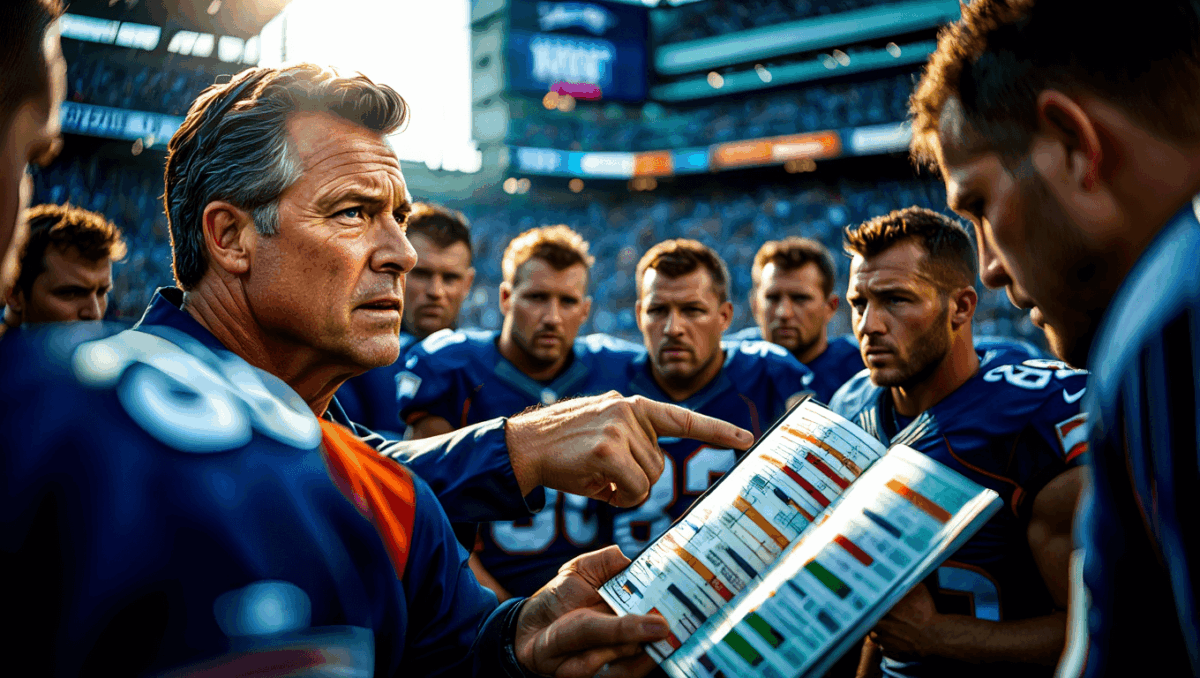
The NFL overtime rules have transformed regular-season play starting in 2025. Both teams now get a guaranteed possession, eliminating the sudden-death format that fans debated for years. This historic shift levels the playing field and promises more exciting finishes throughout the season.
🔥 Quick Facts
- April 1, 2025 marks when NFL owners voted unanimously (32-0) to change overtime rules per Philadelphia Eagles proposal
- Each team gets at least one guaranteed possession in 10-minute overtime period
- Game ends in tie if score remains deadlocked after overtime period expires
- Sudden-death format applies only if game is still tied after both teams possess the ball
How New NFL Overtime Rules Change the Game
Cagliari faces Lecce tonight in Serie A showdown, Rossoblu seek top-half push
Girona faces Barcelona tonight in La Liga showdown, Barcelona chases lead
The 2025 season introduces uniform overtime rules across regular season and playoffs for the first time. Previously, regular-season games ended immediately if the first team scored a touchdown. Now both squads receive equal opportunity to match or exceed that score.
A coin toss determines which team receives first possession. The visiting team captain calls the toss, giving one squad possession advantage. Both teams get exactly two timeouts during the 10-minute overtime period.
The Coin Toss Strategy Nobody Predicted
East Texas A&M faces Southeastern in Family Fun Day matchup today
Macclesfield faces Brentford tonight in FA Cup fourth-round showdown
The new rules created unexpected strategic complexity around the coin toss decision. Winning the coin toss no longer guarantees an advantage since both teams will possess the ball anyway.
Coaches now face genuine debate about whether to receive kickoff or defer. NFL coaches appear evenly split on ideal strategy, with some preferring second-possession momentum while others emphasize scoring first. The decision changes based on opponent, field position, and down-and-distance scenarios.
| Rule Element | 2025 Regular Season | Playoff Format |
| Overtime Length | 10 minutes | 15 minutes (multiple if needed) |
| Possession Guarantee | Both teams get possession | Both teams get possession |
| Tie Possible? | Yes, if deadlocked after 10 min | No, play continues until winner |
| Team Timeouts | Two per team | Three per team |
Sudden Death Still Exists, But With a Twist
If the score remains tied after both teams complete one possession, the game reverts to sudden-death format. Next score wins in this scenario. However, this typically only applies if neither team scores initially, making sudden death far less likely than before.
The two-point conversion becomes critical strategy element. Teams trailing by one point might attempt two-point conversions instead of kicking extra points, depending on remaining time and game situation.
Why NFL Owners Made This Historic Change
The 2010 sudden-death rule heavily favored teams winning the coin toss. Statistics showed coin-toss winners won approximately 10 of 12 overtime playoff games since rule implementation. Regular-season sudden death frustrated coaches and fans who complained about unfair advantages.
Philadelphia Eagles organization championed this proposal, recognizing fundamental unfairness in overtime outcomes. Unanimous owner support (32-0 vote) reflected league-wide agreement that change was necessary. Aligning regular season and playoffs under identical rules simplifies player preparation and competitive balance.
What Question Will Teams Answer This Season?
Can coaches master new coin toss strategy to gain subtle advantages in overtime matchups? Will the 10-minute period limit create unique tie scenarios that reshape playoff seeding conversations? As teams gain experience with these rules, expect evolving strategies around possession selection and aggressive fourth-quarter play-calling. Stay tuned to see how NFL overtime unfolds throughout the 2025 regular season.
Sources
- NFL.com – Official rules and operational guidelines
- ESPN – Comprehensive analysis of strategic implications
- NBC Sports – Detailed explanation of rule mechanics

Michael Brown is a seasoned sports journalist bringing years of experience covering professional athletics and sporting culture. With a keen eye for breaking stories and player dynamics, this veteran journalist delivers in-depth analysis and exclusive insights from the world’s biggest sporting events. His passion for the game shines through in every story, keeping fans connected to the action both on and off the field.