
Cagliari faces Lecce tonight in Serie A showdown, Rossoblu seek top-half push
Girona faces Barcelona tonight in La Liga showdown, Barcelona chases lead
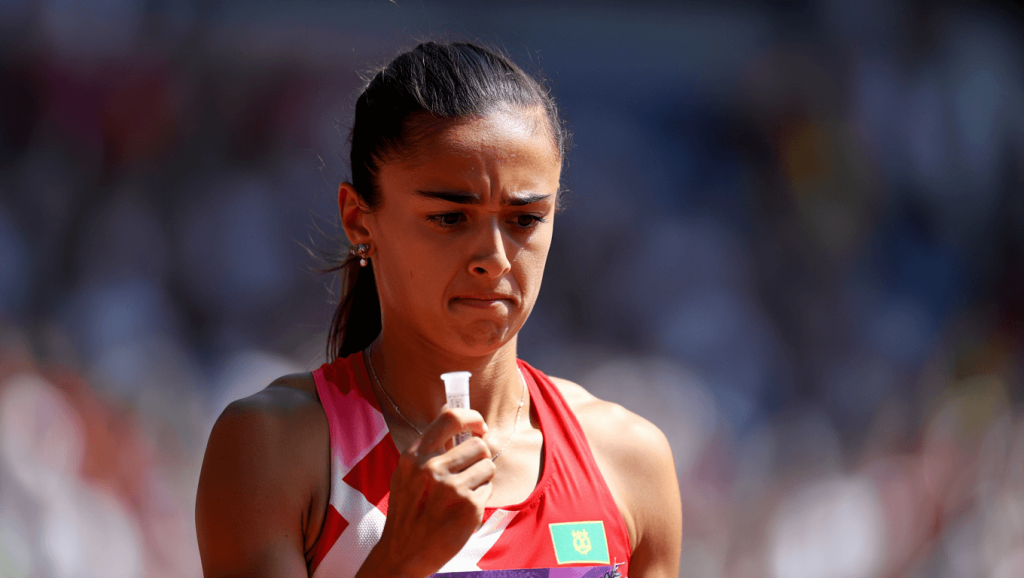
“Athletes are going to be harmed, outed, scrutinized.” The warning landed this week as rights groups reacted to World Athletics’ new genetic-testing rule that took effect on Sep 1, 2025. The rule requires a once-in-a-lifetime cheek swab or blood test for those seeking to compete in the female category, and human-rights advocates told CNN this will disproportionately damage athletes from the Global South. The concrete risk is immediate: 0.02%-2% prevalence estimates mean tens of thousands globally could face scrutiny. What protections should athletes demand now?
What the 2025 genetic test ruling means for athletes today
- World Athletics enacted mandatory SRY genetic tests effective Sep 1, 2025; eligibility changed.
- Athlete-rights groups warned the rule will disproportionately harm athletes from the Global South.
- Some athletes could be barred from elite women’s events without prior notice or clear appeals.
Why Did This Short Quotation Hit Like A Bombshell In 2025?
The quote crystallizes a fear long spoken about in private: mandatory genetic screening will expose intimate biological details at the worst possible moment. Critics say timing-right before world championships in Tokyo-magnifies the impact because athletes are already under media scrutiny. Short sentence for scanning. The line turned policy debate into a human-rights story overnight, forcing readers to choose which matters more: competitive fairness or bodily privacy. Do you side with protective privacy or with stricter eligibility checks?
Why Reactions To The Rule Are So Polarized Right Now
East Texas A&M faces Southeastern in Family Fun Day matchup today
Macclesfield faces Brentford tonight in FA Cup fourth-round showdown
Supporters argue the tests create objective criteria for fairness; opponents call them invasive and discriminatory. Scientists quoted in the coverage say evidence about performance advantages is incomplete, while governing bodies claim the tests help preserve women’s categories. Short sentence for scanning. That split has produced unusual alliances: some female athletes back testing for perceived fairness, while many rights organizations and medical experts call for stronger safeguards.
The numbers that show the 2025 test rule’s immediate fallout
| Indicator | Value + Unit | Change/Impact |
|---|---|---|
| Effective date | Sep 1, 2025 | Rule now applies to elite World Athletics events |
| Estimated DSD prevalence | 0.02%-2% | Could affect tens of thousands globally |
| Eligibility requirement | Once-in-a-lifetime cheek swab or blood test | New barrier for some emerging athletes |
These figures show why rights advocates call the policy life-changing for some athletes.
Which Groups Are Speaking Out – And How Loudly Are They Reacting?
Human-rights organizations, athlete-rights groups and some scientists have issued sharp condemnations since the rule’s announcement. Short sentence for scanning. Their reaction centers on privacy, unequal support systems, and the risk of public “outing” of athletes who learn sensitive medical information only because they sought to compete.
Why Experts Say The Science Doesn’t Neatly Answer Fairness Questions
Leading scientists told CNN there is almost no direct evidence tying specific DSD variations to consistent performance advantages; medical opinion remains divided. Short sentence for scanning. That scientific uncertainty fuels the debate: policy vs. proof, and who pays the human cost when tests are imperfect.
What The Quotation Really Signals About Athlete Safety And Privacy
The phrase warns that testing could produce public scrutiny that ruins careers, sponsorships, and personal safety-especially in countries with weaker rights protections. Short sentence for scanning. The immediate human cost, advocates say, may outweigh any incremental fairness gains.
Who Spoke These Words – And Why Their Voice Changes The Stakes
Payoshni Mitra, executive director of athlete-rights group Humans of Sport, said the line to CNN: “Athletes are going to be harmed, outed, scrutinized,” she said. Mitra’s role as an athlete-rights advocate matters because her group documents cases where testing led to stigma, loss of income, and forced medical intervention. Short sentence for scanning. Her quotation is a direct appeal to governing bodies to add safeguards immediately.
What Will This Quote Mean For Athletes And Rights In 2025?
Expect immediate legal challenges, privacy demands, and urgent calls for appeal processes that include medical confidentiality and independent review. Short sentence for scanning. With the rule live on Sep 1, 2025, athletes and rights groups are already lining up for court fights and public campaigns. Which side will win the narrative-and who will pay the personal costs?
Sources
- https://www.cnn.com/2025/09/18/sport/athletics-sex-testing-ruling-human-rights-intl

Jessica Morrison is a seasoned entertainment writer with over a decade of experience covering television, film, and pop culture. After earning a degree in journalism from New York University, she worked as a freelance writer for various entertainment magazines before joining red94.net. Her expertise lies in analyzing television series, from groundbreaking dramas to light-hearted comedies, and she often provides in-depth reviews and industry insights. Outside of writing, Jessica is an avid film buff and enjoys discovering new indie movies at local festivals.