
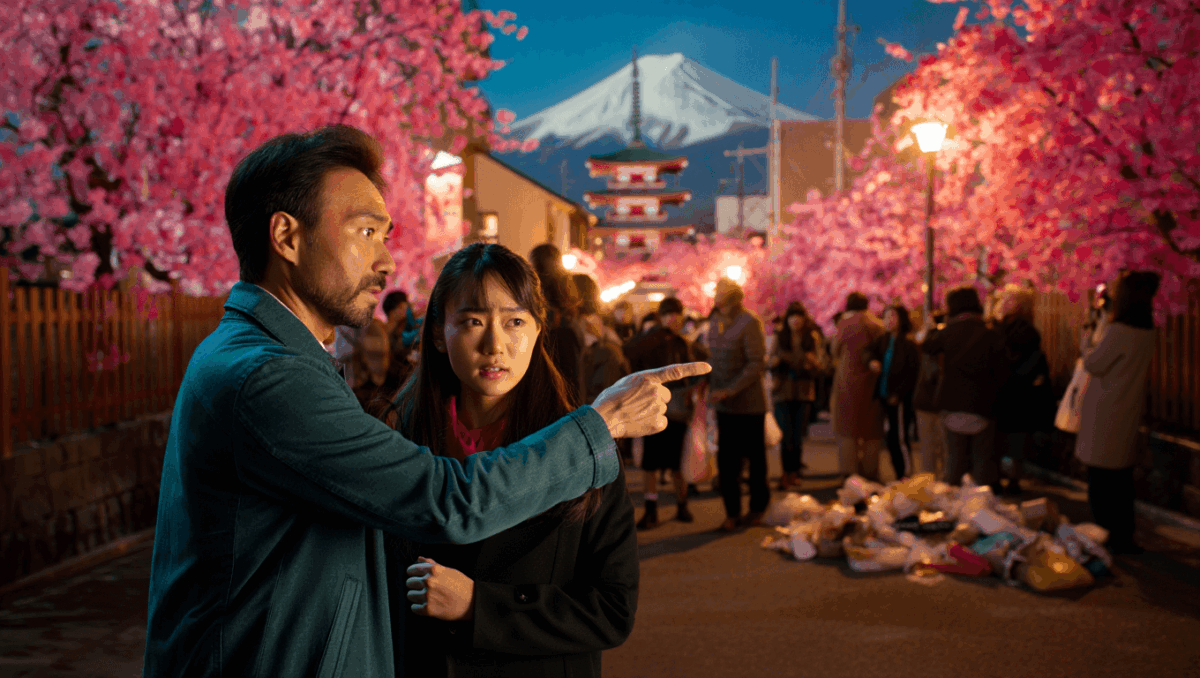
Japan cherry blossom festival cancelled over an overtourism crisis unlike anything seen before. The town of Fujiyoshida announced this week that its iconic Arakurayama Sengen Park festival, which usually draws 200,000 visitors, will not happen this year. Residents revealed shocking reasons for the drastic decision.
🔥 Quick Facts
- Location: Fujiyoshida, Yamanashi Prefecture, near Mount Fuji in central Japan
- Festival Age: The 10-year-old event was officially cancelled on Tuesday, February 5, 2026
- Expected Attendance: Typically attracts approximately 200,000 visitors during spring bloom season
- Tourist Surge: 42.7 million international tourists visited Japan in 2025, an all-time record fueled by weak yen
A Crisis Threatening Local Life
America’s Next Top Model documentary drops today on Netflix with shocking revelations
Dana Eden dies at 52, Tehran producer found dead in Athens hotel
Fujiyoshida Mayor Shigeru Horiuchi explained that the overtourism has made residents’ daily lives unmanageable. He stated the city faces “a strong sense of crisis” as crowds disrupt normalcy. The weak Japanese yen combined with social media’s viral effect transformed the location into an Instagram hotspot. Traffic congestion becomes chronic during peak blossom season, with up to 10,000 visitors flooding the town each day. The mayor emphasized that protecting “the dignity and living environment of our citizens” required this unprecedented decision.
The park’s five-story pagoda and breathtaking Mount Fuji backdrop created a perfectly framed shot for social media. Ironically, this beauty attracted masses who disregarded local boundaries. The city originally opened the gates in April 2016 hoping to create economic vitality, yet unintended consequences emerged.
Shocking Behavior Documented by Residents
Tommy Lee Jones’ daughter was pregnant before her tragic death, court docs reveal
J Cole announces The Fall-Off world tour, first global dates in decades
Local residents reported deeply disturbing incidents involving visiting tourists. Authorities documented cases where foreigners entered private homes without permission seeking bathroom access. Some visitors engaged in defecation in private yards and became aggressive when confronted. Littering remained constant, with cigarette butts scattered throughout neighborhoods. Trespassing onto residential property became normalized during peak seasons. The disrespect displayed shocked officials and motivated the dramatic decision.
Residents complained that the festival’s popularity had become “unmanageable” by recent years. The situation deteriorated rapidly after the pandemic boom began. Many locals felt their sanctuary was being invaded by masses showing little respect for Japanese customs or private space.
Festival Details and Timeline
| Element | Information |
| Festival Name | Arakurayama Sengen Park Cherry Blossom Festival |
| Years Operational | 2016 to 2025, cancelled in 2026 |
| Annual Visitors | Approximately 200,000 people |
| Peak Daily Crowds | Up to 10,000 visitors per day during cherry blossom season |
“Behind Mount Fuji’s beautiful landscape is the reality that the quiet lives of citizens are threatened. We have a strong sense of crisis. To protect the dignity and living environment of our citizens, we have decided to bring the curtain down on the 10-year-old festival.”
— Shigeru Horiuchi, Mayor of Fujiyoshida
Japan’s Broader Overtourism Problem
Fujiyoshida is not alone in this struggle. Kyoto has experienced severe friction with geisha performers and residents as tourists increasingly behave disrespectfully for photos. Tourism boards report that 42.7 million visitors came to Japan in 2025, surpassing the previous record of 37 million in 2024. Other towns have implemented drastic measures to manage crowds. Fujikawaguchiko erected a massive black barrier in 2024 to block one famous Mount Fuji photo spot.
Global tourism hotspots face similar crises. Rome now charges 2 euros for Trevi Fountain access, while Venice collecting 5 to 10 euros from day trippers. The phenomenon reflects worldwide tension between cultural preservation and tourist revenues.
Will This Cancellation Actually Reduce Crowds?
Officials admit that cancelling the official festival may not stop visitors from coming. Park officials expect continued visitor spikes during April and May when cherry blossoms peak naturally. The scenic beauty and Mount Fuji location create permanent magnetism. Without organized festival infrastructure, authorities hope to discourage casual tourism. Nearby towns have tried charging entry fees for hikers and capping daily visitor numbers with mixed results. Fujiyoshida’s future approach remains unclear, but the cancellation signals residents’ breaking point was finally reached.
Sources
- BBC News – Reporting on Japanese authorities’ decision to cancel the cherry blossom festival due to overtourism impacts
- The Japan Times – Coverage of Fujiyoshida’s announcement and broader Japan tourism trends including 42.7 million 2025 visitors
- Reuters/Kyodo News – Context on celebrity photo spots and global overtourism responses

Jessica Morrison is a seasoned entertainment writer with over a decade of experience covering television, film, and pop culture. After earning a degree in journalism from New York University, she worked as a freelance writer for various entertainment magazines before joining red94.net. Her expertise lies in analyzing television series, from groundbreaking dramas to light-hearted comedies, and she often provides in-depth reviews and industry insights. Outside of writing, Jessica is an avid film buff and enjoys discovering new indie movies at local festivals.