
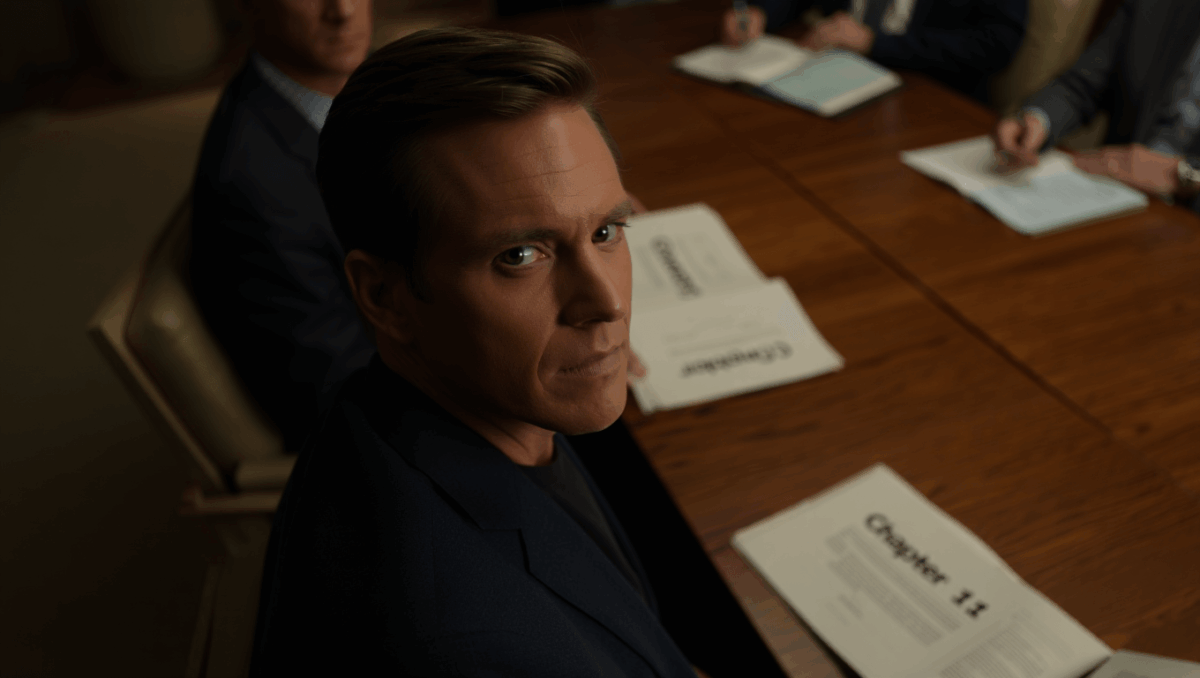
Roomba maker iRobot filed for Chapter 11 bankruptcy on December 14, 2025, ending a 35-year run as an independent company. The Massachusetts-based robotics leader entered into a restructuring support agreement with Shenzhen PICEA Robotics, its primary contract manufacturer and lender. PICEA will acquire 100% of the reorganized company and take it private through a pre-packaged bankruptcy process expected to conclude by February 2026.
🔥 Quick Facts
- iRobot filed Chapter 11 bankruptcy on December 14, 2025 in the District of Delaware
- Total debt exceeded $350 million, with $161.5 million owed to PICEA for manufacturing
- PICEA and Santrum Hong Kong (subsidiary holding the debt) will control the reorganized company
- Pre-packaged bankruptcy process completes by February 2026, moving company to private ownership
Roomba Empire’s Financial Collapse After Failed Amazon Deal
Intuit emerges as best software stock for 2026 while stock crashes to bargain levels analysts didn’t expect
2026 tax brackets shock Americans with hidden paycheck truth nobody expected
iRobot’s decline accelerated dramatically after Amazon terminated its $1.7 billion acquisition in January 2024. The company had counted on the deal to stabilize finances and invest in new products. Without this lifeline, cash burned through reserves while debt obligations mounted relentlessly. By November 2024, iRobot warned investors it could face bankruptcy within 12 months.
The company’s Q3 2025 results revealed liabilities of $508 million against assets of just $481 million. Operating losses exceeded $145 million annually despite aggressive cost-cutting measures. The robot vacuum market had intensified competition from Chinese manufacturers, while the Amazon deal’s collapse destroyed market confidence in iRobot’s independent viability.
PICEA and Santrum Take Complete Control Through Strategic Restructuring
| Item | Details |
| Restructuring Support Agreement | Signed between iRobot, PICEA Robotics, and Santrum Hong Kong |
| Bankruptcy Filing | Pre-packaged Chapter 11, District of Delaware |
| Ownership Post-Bankruptcy | PICEA receives 100% equity stake in reorganized company |
| Debt Assumed by PICEA | $350+ million in total liabilities |
| Expected Completion | February 2026 |
Marcus Lemonis takes CEO role at Bed Bath & Beyond with $25M cost-cutting plan and watch what industry experts are saying about his next move
SPX surges 34 points at open with shocking tech recovery, here’s what caused the unexpected Venezuela rally
Under the restructuring support agreement, Santrum Hong Kong (a PICEA subsidiary) assumed $190.7 million in credit obligations from Carlyle Group on November 24, 2025. This acquisition of iRobot’s debt positioned PICEA to become the controlling stakeholder. The pre-packaged structure allows iRobot to emerge from bankruptcy quickly with Chinese ownership.
PICEA manufactured iRobot robots for years, holding intimate knowledge of the company’s supply chains, product design, and operations. The transition positions PICEA to operate iRobot as a private subsidiary, ending the company’s decades-long presence as a publicly traded company.
How iRobot Descended From Innovation Leader to Bankruptcy
Founded more than three decades ago, iRobot pioneered consumer robotics with the iconic Roomba vacuum cleaner. The company commanded premium prices and strong margins through its innovation-focused brand identity. Billions in cumulative sales and cultural recognition positioned iRobot as a household name.
Challenges emerged from multiple directions. Low-cost Chinese competitors undercut Roomba prices while Amazon’s acquisition attempt signaled the company needed external support. When Amazon walked away, iRobot faced mounting operational losses and dwindling cash reserves. By November 2025, the company acknowledged bankruptcy appeared inevitable.
Implications for Roomba Customers and the Robotics Industry
The bankruptcy raises critical questions about product warranty support, software updates, and Roomba app functionality for millions of existing customers worldwide. Chinese ownership under PICEA could shift product development priorities toward Asian markets. Manufacturing costs may decline under PICEA control, potentially lowering Roomba prices to compete with budget alternatives.
Employees face uncertain futures operating under new Chinese management structures. iRobot’s 39-year history as an American innovator ends with foreign acquisition in bankruptcy. The deal signals how quickly market disruption can topple even iconic brands when they fail to adapt competitively.
What Happens to iRobot Innovation After Going Private?
Private ownership under PICEA eliminates quarterly earnings pressure and Wall Street expectations. This could enable long-term R&D investment without immediate profit demands. However, Chinese ownership raises questions about intellectual property protection and technology transfer priorities.
Roomba product lines will likely continue based on PICEA’s investment commitment, but strategic direction remains uncertain. The company may pivot toward Asia-centric product development and market expansion rather than maintaining its traditional American consumer focus.

Patrick Graham is a business and finance journalist translating Wall Street’s complexities into stories that matter to everyday readers. With extensive experience in financial journalism and economic analysis, this expert journalist provides sharp insights on market trends, corporate developments, and the economic forces affecting daily life. His reporting helps readers make sense of the business world’s biggest moves.