
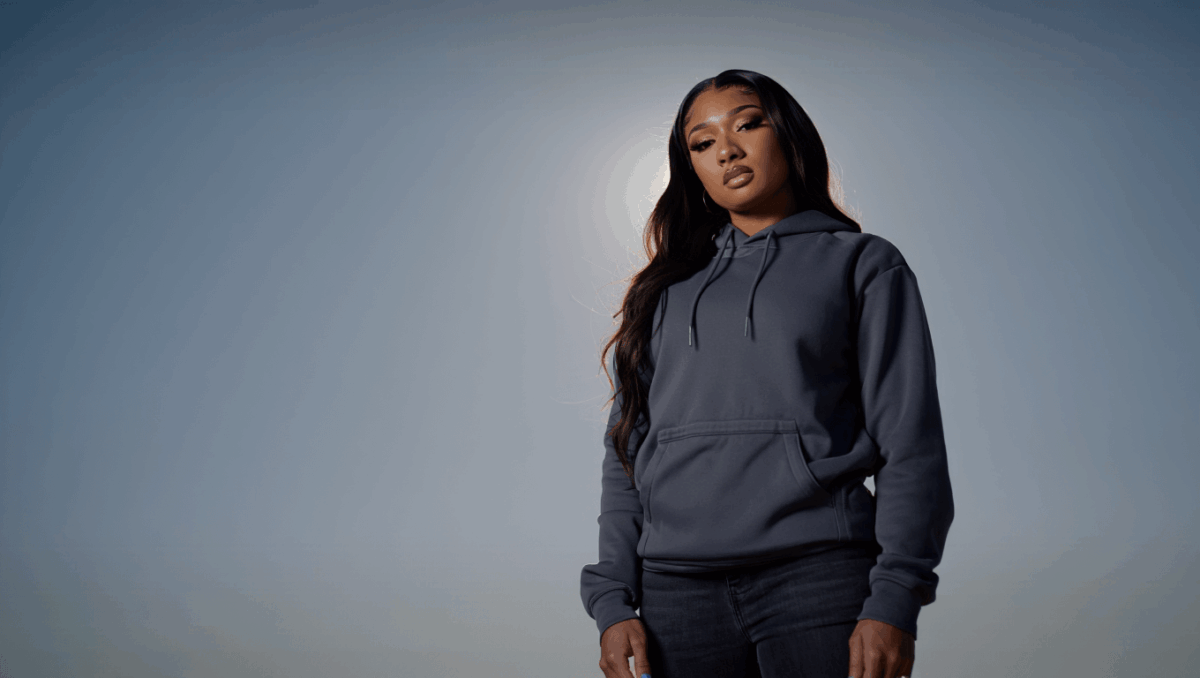
Megan Thee Stallion turned down a major Call of Duty collaboration. The reason? She’d become a shootable character in the game. The revelation came during her defamation trial against blogger Milagro Gramz on Nov. 19. Her trauma from 2020 made this deal a dealbreaker.
America’s Next Top Model documentary drops today on Netflix with shocking revelations
Dana Eden dies at 52, Tehran producer found dead in Athens hotel
🔥 Quick Facts:
- Megan rejected the Call of Duty deal after learning her character would be shootable in gameplay.
- Daniel Kinney, Roc Nation’s Senior VP, testified the offer “triggered” her during her defamation trial.
- She’s been diagnosed with PTSD by Dr. Lenore Walker related to the 2020 shooting.
- Her intensive therapy program cost roughly $240,000 to help process her trauma.
- The Call of Duty role ultimately went to Nicki Minaj instead.
What Happened During the Trial
During Megan Thee Stallion’s ongoing defamation case against Milagro Gramz, crucial details surfaced. Daniel Kinney, the Senior VP of Branding & Strategic Partnerships at Roc Nation, took the stand to discuss several failed brand partnerships. One of those opportunities was the Call of Duty collaboration. According to testimony reported by journalist Meghann Cuniff, Kinney said that Megan “ditched Call of Duty when she learned she would be a shootable character.” In a follow-up statement, he revealed the offer “triggered her and she full stop said ‘I’m not doing this.'” The decision was immediate. There was no room for negotiation once she understood the nature of her in-game role.
Tommy Lee Jones’ daughter was pregnant before her tragic death, court docs reveal
J Cole announces The Fall-Off world tour, first global dates in decades
This wasn’t just about a missed paycheck. This was about protecting her mental health and healing journey. The rapper’s team pursued the partnership initially, but once the specifics became clear, the answer was a firm no. Roc Nation stood by her decision completely.
Why This Matters So Much
For anyone following Megan Thee Stallion’s story, her reaction makes complete sense. In 2020, Tory Lanez shot her in the foot. That incident changed her life forever. The physical injury was just the beginning. The psychological toll has been significant and ongoing. She’s been open about needing help to process that trauma, and her legal team has confirmed she carries a PTSD diagnosis from Dr. Lenore Walker, a legendary psychologist.
According to reports from TMZ, Megan underwent Dialectical Behavior Therapy to address her trauma. This intensive program cost approximately $240,000. She’s been vocal about how therapy helped her navigate the pain and rebuild her life. That investment—both financial and emotional—demonstrates how serious she is about her mental health. Rejecting a video game deal where she’d be shot repeatedly falls right in line with that commitment to healing.
There’s also a broader conversation here about representation and boundaries. Major brands should understand that certain collaborations can trigger past trauma. Megan’s decision sends a clear message: no deal is worth sacrificing your well-being. Her boundaries matter more than any paycheck.
The Bigger Picture in Gaming
Call of Duty has faced criticism in recent years about its collaboration strategy. The franchise has been moving away from what some call “over-the-top” crossovers. According to reporting from Kotaku in September 2025, developers have actually turned down offers from major brands to maintain the game’s grounded aesthetic. This suggests the gaming industry is starting to think more carefully about celebrity partnerships and what they actually mean.
Still, the Megan Thee Stallion situation highlights a major gap in how these deals get structured. Nobody on Call of Duty’s team seemed to think about the optics of asking someone who’d been shot to become target practice in a video game. That’s not just bad strategy—it’s frankly tone-deaf. The fact that this story came out during her defamation trial shows how these oversights can have real consequences for everyone involved.
What’s Next For Megan
Right now, Megan Thee Stallion is focused on her legal battles and her music career. The defamation case against Milagro Gramz continues. Her team has also been dealing with Tory Lanez, who keeps appealing his 10-year sentence. Last week, Lanez and his attorney were held in contempt of court and fined $20,000 after he refused to answer questions in a deposition. According to reports, he basically said he’d pay any fine because he’s a “millionaire.”
Meanwhile, Megan continues winning. She’s protecting her peace, setting boundaries, and moving forward with intention. Her career is thriving, her fans have her back, and she’s refusing to take deals that don’t align with her healing. That’s the real victory here.
Did Other Celebs Face Similar Issues?
This situation raises an important question about other celebrity gaming collaborations. How many other artists have turned down deals quietly? How many times has a brand missed the mark when pitching a partnership to a celebrity? The Megan Thee Stallion story is unique because it came to light during court testimony. Most rejected deals stay private.
What’s clear is that brands need to do better research before pitching deals. If someone has lived through trauma directly related to the concept you’re proposing, maybe that collaboration isn’t the right fit. Megan’s firm rejection shows what happens when you miss that crucial detail. You don’t just lose the deal—you risk damaging your brand reputation too.
Sources
- Complex – Comprehensive coverage of the trial testimony and Megan’s PTSD diagnosis.
- TheGrio – Detailed report on the defamation trial and the rejected collaboration.
- HotNewHipHop – Additional context about the trial and financial details of her therapy.

Jessica Morrison is a seasoned entertainment writer with over a decade of experience covering television, film, and pop culture. After earning a degree in journalism from New York University, she worked as a freelance writer for various entertainment magazines before joining red94.net. Her expertise lies in analyzing television series, from groundbreaking dramas to light-hearted comedies, and she often provides in-depth reviews and industry insights. Outside of writing, Jessica is an avid film buff and enjoys discovering new indie movies at local festivals.