
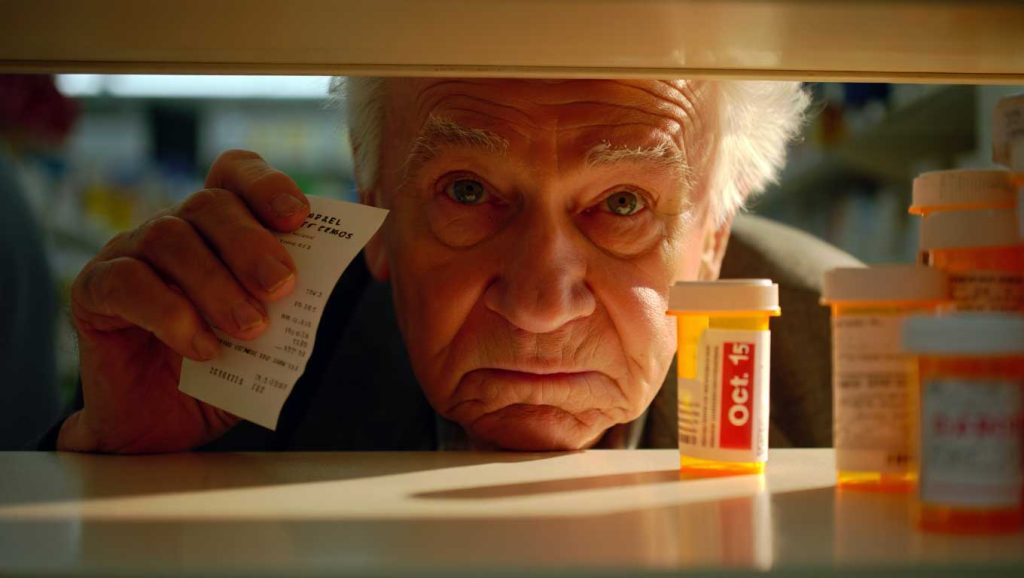
From Jan. 1, 2025, covered prescriptions stop at $2,000 out of pocket. Act by Oct. 15 to line up plan choices and lower what you pay at the counter.
Powerball winner scoops $1.817 billion on Christmas Eve, what happens next will change their life forever
Zendaya shuts down pregnancy rumors after viral London outing with Tom Holland goes too far—here’s what she actually said
Millions will finally see costs capped at $2,000 in 2025, yet premiums, non-covered drugs, and doctor-administered treatments still fall outside that ceiling. Moving early—before Oct. 15—keeps you from overpaying when plans change for next year.
What changes your out-of-pocket tally in 2025?
The annual limit applies only to covered Part D prescriptions you pick up at the pharmacy (including mail order). Amounts you pay at the counter—deductibles, co-pays, and coinsurance—count toward the $2,000. Plan premiums, drugs your plan doesn’t cover, and treatments billed to Part B (such as many infused cancer therapies) don’t count. Your plan tracks progress and alerts you when you hit the limit.
Starting in 2025, you won’t pay more than $2,000 for your covered prescription drugs in a year. It’s more important than ever to make sure your drugs are covered by your preferred plan.
Review and compare health & drug options at https://t.co/DtXKvxXJkY. #MedicareOE pic.twitter.com/rb3bYrtSJX
— Medicare.gov (@MedicareGov) November 24, 2024
Arkansas lottery wins $1.817 billion Powerball jackpot on Christmas Eve, here’s what happens to the money
Powerball winner scoops $1.817 billion jackpot on Christmas Eve, but nobody knows who they are yet
The cap protects people with high pharmacy bills, but it isn’t a blank check—checking your drug list against your plan’s formulary still matters.
Who gains most and who may pay more this year
People with high-cost medications—especially brand-name or specialty drugs—see the biggest relief once they reach $2,000. Those with modest drug spending won’t notice the cap and should watch premium and deductible shifts when comparing plans. Folks whose costly therapies are billed under Part B won’t benefit from this limit and must review separate coverage rules.
“The prescription drug law will continue to deliver additional savings, with a cap on out-of-pocket costs for every person with Medicare prescription drug coverage beginning in 2025.” — Chiquita Brooks-LaSure, CMS Administrator
Actions to take this week to shrink co-pays
Start with your current drug list and pharmacy. Ask your prescriber about generics or biosimilars, check for prior authorization or step-therapy hurdles, and confirm preferred pharmacies. If cash prices beat your plan price on a fill, ask about using discount programs for that purchase while keeping other fills on your plan (only plan-priced fills count toward the $2,000).

KPI / Fact Table
| Step | Detail | Deadline |
|---|---|---|
| Verify your 2025 tally | Check your plan account or MyMedicare to see how close you are to $2,000 | Now |
| Compare plans | Use the plan finder with your exact drugs and preferred pharmacy to spot lower co-pays | Oct. 15–Dec. 7, 2025 |
| Ask about Extra Help | If income/asset-eligible, apply to cut premiums and co-pays | Before Dec. 7, 2025 |
| Consider monthly smoothing | Opt into the Medicare Prescription Payment Plan to spread costs over the year | Anytime in 2025 |
| Switch to lower-cost options | Request generics/biosimilars or preferred alternatives before your next refill | Before next fill |
What to expect before December and into early 2026
Open enrollment runs Oct. 15–Dec. 7. Plans can change formularies, preferred pharmacies, and tiers, so re-shop even if you’re satisfied. Keep an eye on letters from your plan about 2026 design updates; the annual ceiling is scheduled to adjust (projected $2,100 next year), and negotiated prices on selected drugs continue to phase in. Make your switch by Dec. 7 for Jan. 1 effect.
SOURCES
https://www.cms.gov/priorities/medicare-prescription-drug-affordability/overview/medicare-part-d-improvements
https://www.medicare.gov/health-drug-plans/part-d/basics/costs
https://www.panfoundation.org/understanding-the-medicare-part-d-cap/

Jessica Morrison is a seasoned entertainment writer with over a decade of experience covering television, film, and pop culture. After earning a degree in journalism from New York University, she worked as a freelance writer for various entertainment magazines before joining red94.net. Her expertise lies in analyzing television series, from groundbreaking dramas to light-hearted comedies, and she often provides in-depth reviews and industry insights. Outside of writing, Jessica is an avid film buff and enjoys discovering new indie movies at local festivals.