
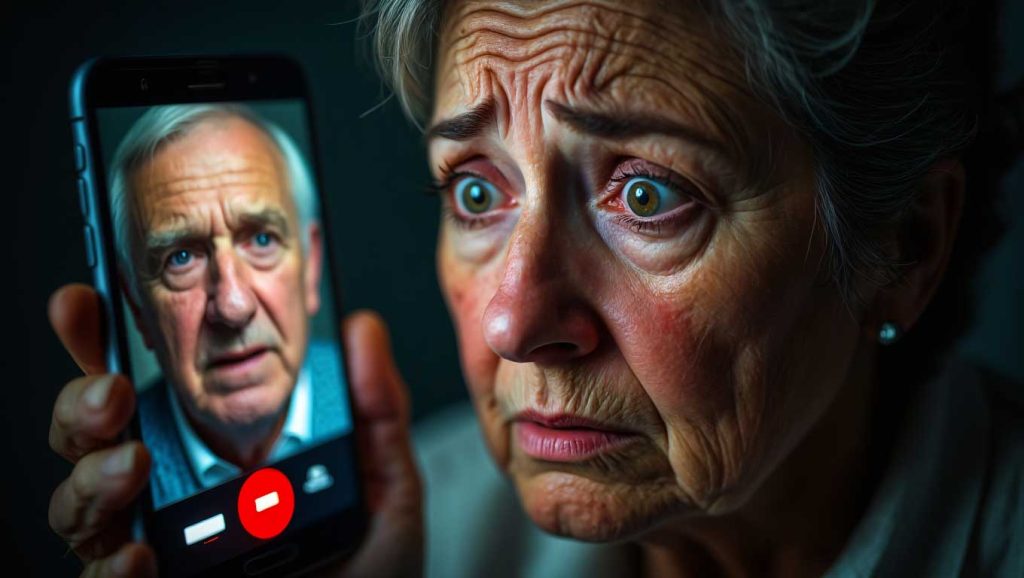
Millions are at risk this fall as AI-manipulated photos, videos, and voice clips are used to trick people out of money. New federal alerts show older adults report losses over $10,000 far more often than before, with cases accelerating in 2025.
Powerball winner scoops $1.817 billion on Christmas Eve, what happens next will change their life forever
Zendaya shuts down pregnancy rumors after viral London outing with Tom Holland goes too far—here’s what she actually said
Viral “tests,” free filters, and AI headshots are no longer harmless fun—they’re bait. Below are five common lures and how to shut them down fast.
The tricks scammers use with viral tests and filters
Scammers piggyback on trends like “aura portraits,” “image personality tests,” and face-morph filters that ask you to upload a clear selfie. The file can be reused to forge realistic profiles or train models that imitate your face and voice. Officials warn that synthetic content now looks convincing even on small screens, and the pitch often adds urgency—“see your true colors in 30 seconds”—to rush you past consent screens.
Who gains and who loses when your data feeds an algorithm
Arkansas lottery wins $1.817 billion Powerball jackpot on Christmas Eve, here’s what happens to the money
Powerball winner scoops $1.817 billion jackpot on Christmas Eve, but nobody knows who they are yet
Criminals profit when selfies, voice notes, and ID photos leak into shady data brokers or app backends. The losers are people whose likeness fuels imposter calls, fake investment pitches, or romance scams, with five-figure losses reported by retirees. Experts say red flags include unnatural skin texture, odd eye reflections, or lip-sync glitches—but the most telling sign is a demand for money or crypto after an emotional hook.
“Deepfakes are becoming increasingly sophisticated and harder to detect. This infographic provides practical tips to help consumers recognize red flags and protect themselves from these deceptive schemes.” — Sam Kunjukunju, vice president of consumer education

What should you do if your photo is copied into a fake profile?
Act quickly: take screenshots, report the account in-app, and tell friends so they don’t engage with the impostor. If the fake account solicits money or intimate images, stop contact, preserve evidence, and file a complaint with the appropriate authorities. According to officials, early reporting improves the odds of takedown and can help investigators link patterns across cases.
Your steps before Halloween to lock down photo sharing
Set a 30-day deadline to reduce exposure. Prioritize permissions and the settings that control how your camera, gallery, and microphone are accessed. Use “selected photos only” when apps ask for library access, and remove geotags before posting. On family devices, disable app installs without approval and add purchase/transfer locks to payment apps to block rushed transfers.

Exactly how scammers turn a selfie into a payout
- Collection: a selfie or short clip is captured via a “fun” quiz or filter.
- Synthesis: AI tools clone face or voice to mimic you or a trusted official.
- Pressure: a “bank,” “agency,” or “relative” calls with a false alarm, insisting you transfer funds “to keep them safe.”
- Cash-out: funds move via gift cards, wire, or crypto; recovery is hard once sent.
The simple actions that cut your risk now
Use the checklist below to lock down access and add friction to any surprise transfer requests.
| Step | Detail | Deadline |
|---|---|---|
| Limit app access | Switch photo access to “selected images”; revoke mic/camera for nonessential apps | Oct. 31, 2025 |
| Harden sharing | Disable location on photos; remove metadata before posting | Oct. 31, 2025 |
| Secure accounts | Turn on 2-step verification and set strong passcodes on email, banking, and cloud photos | Oct. 31, 2025 |
| Add speed bumps | Set bank transfer limits and require in-person or second-person approval for large moves | Oct. 31, 2025 |
| Report fast | If pressured to move money, stop and report to authorities; keep screenshots and transaction IDs | Immediately |
What to watch over the next 60–90 days
Expect more polished forgeries as tools improve and more “authority” voices are cloned. Officials and standards bodies are testing watermarking and detectors for synthetic media, but coverage is uneven. That means personal friction—verifying requests on a second channel and refusing urgent money moves—is your best defense for now.
SOURCES
https://www.ic3.gov/PSA
https://www.ftc.gov/news-events/news/press-releases/2025/08/ftc-data-show-more-four-fold-increase-reports-impersonation-scammers-stealing-tens-even-hundreds
https://ai-challenges.nist.gov/genai

Jessica Morrison is a seasoned entertainment writer with over a decade of experience covering television, film, and pop culture. After earning a degree in journalism from New York University, she worked as a freelance writer for various entertainment magazines before joining red94.net. Her expertise lies in analyzing television series, from groundbreaking dramas to light-hearted comedies, and she often provides in-depth reviews and industry insights. Outside of writing, Jessica is an avid film buff and enjoys discovering new indie movies at local festivals.
As a victim of a cryptocurrency scam, I understand the frustration and fear that comes with losing significant investments. I was persuaded to invest $188,600 in what turned out to be a bogus platform, and the realization hit hard when I discovered I had been scammed. It felt like I had lost everything, especially since this was my life savings.
However, after nearly losing hope, a friend recommended a service called XXXXXX, and I decided to give it a try. Thanks to their expertise and dedication, I was able to recover my funds in just 42 hours.
If you find yourself in a similar situation, I highly recommend reaching out to professionals with proven success in recovering lost crypto assets. With the right help, there is hope, and you can regain what was taken.