
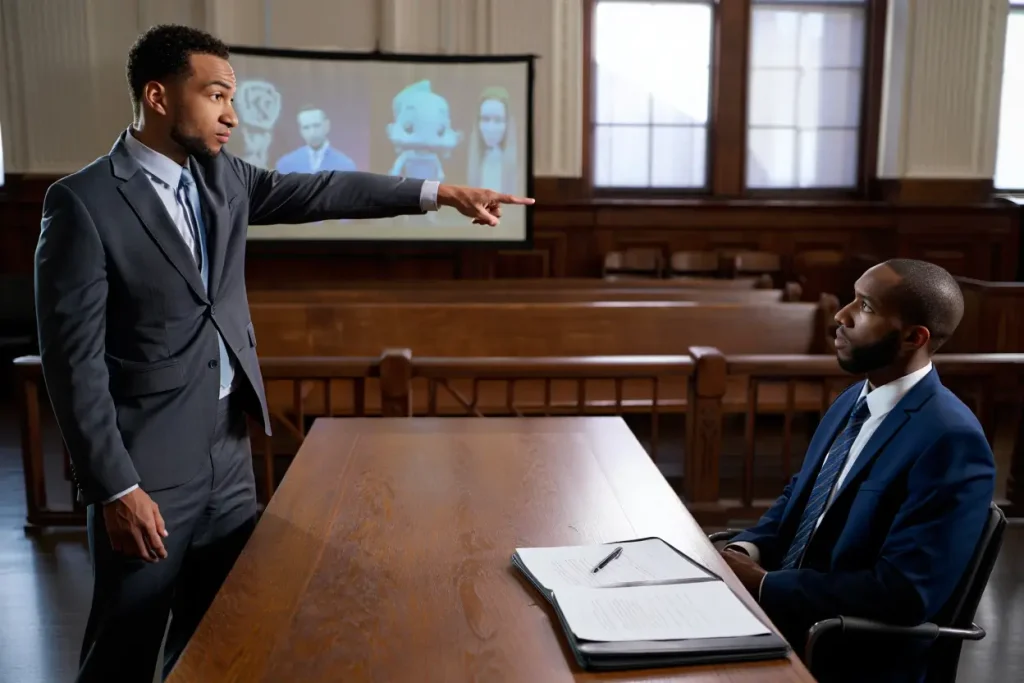
Shock rippled through Hollywood this week: Warner Bros. Discovery filed a federal suit against Midjourney, accusing the AI image service of “brazen” copying of studio characters and seeking the company’s profits or up to $150,000 per infringed work. This is the newest, high‑stakes legal escalation after Disney and NBCU’s earlier fights — and the industry is calling for accountability. Why should you care? If the studios win, the cost, availability, and creativity of AI art tools could change for artists, fans, and anyone who uses generative images. What will creators and consumers lose or gain next?
What The 2025 WBD Lawsuit Against Midjourney Reveals For You
- Warner Bros. Discovery Filed Suit In U.S. District Court, Los Angeles, On Sept. 4, 2025.
- Lawsuit Seeks Either Midjourney’s Profits Or Statutory Damages Up To $150,000 Per Infringed Work.
- Complaint Alleges Midjourney Reproduces Superman, Batman, Bugs Bunny And Scooby‑Doo Without Consent.
- Motion Picture Association Warned Copyright Erosion Threatens Over 2 Million Jobs In U.S. Film Industry.
- Midjourney Offers Paid Plans Ranging From $10 To $120/Month, Cited As Business Evidence.
America’s Next Top Model documentary drops today on Netflix with shocking revelations
Dana Eden dies at 52, Tehran producer found dead in Athens hotel
Do these facts change how you use AI art tools, or how artists get paid? The studio’s filing answers “yes” — and fast.
Why This 2025 Lawsuit Could Reshape How AI Uses Movies And TV — What Changes Now?
This suit isn’t a one‑off: it follows earlier Disney and NBCUniversal actions and lands at a moment when courts are wrestling with whether AI training and outputs qualify as fair use. Warner Bros. Discovery argues Midjourney doesn’t just learn from public data — it reproduces near‑identical images of famous characters, diverting sales of licensed posters and merch. If courts accept those claims, platforms that generate fan art could face immediate financial exposure and stricter content controls. What does that mean for you? Expect clearer licensing rules, possible paywalls for certain character styles, and new limits on prompt results that mimic copyrighted designs.
Who Is Reacting Loudest — Studio Claims, Industry Alarm, And A Quick Social Pulse
Tommy Lee Jones’ daughter was pregnant before her tragic death, court docs reveal
J Cole announces The Fall-Off world tour, first global dates in decades
Warner Bros. Discovery framed the suit as protection for creators: “The heart of what we do is develop stories and characters… Midjourney is blatantly and purposefully infringing,” a studio spokesperson said. The Motion Picture Association added that unchecked infringement threatens the U.S. film industry’s workforce. Independent creators and AI defenders argue this could stifle innovation or push small artists off platforms. How angry or hopeful are fans and trade groups? See the industry reaction and immediate social commentary below.
Warner Bros. Discovery Sues AI Giant Midjourney for Copyright Infringement In Major Legal Battle
The lawsuit was filed as a growing contingent of Hollywood steps into the fight over generative artificial intelligence.https://t.co/8NAnRB60r8— Digital Content Next (@DCNorg) September 5, 2025
The Data That Shows Why Studios Are Suing Now — Big Settlements And Rising Stakes
Recent legal moves set the backdrop: publishers and authors scored major settlements (one case saw a $1.5 billion resolution), and studios argue the scale of alleged copying is large enough to threaten licensing markets. The complaint includes side‑by‑side images showing Midjourney outputs that closely mirror studio stills — the kind of forensic evidence judges use to assess copying. With Midjourney’s paid tiers generating revenue, studios are no longer just seeking injunctive rules; they want money. Do these figures point to a systemic problem, or isolated abuse? The courts will test that in discovery.
Three Key Numbers That Could Decide Midjourney’s Fate In 2025
| KPI | Value + Unit | Change/Impact |
|---|---|---|
| Statutory Damages Sought | $150,000 Per Work | Potentially massive liabilities for Midjourney |
| Midjourney Revenue Signal | $10–$120 / Month | Shows direct commercial motive in complaint |
| Industry Jobs At Risk | 2,000,000 Jobs | MPA Claims Widespread Economic Impact |
The studio’s financial demand, subscription model, and the industry job claim raise urgent stakes for AI regulation.
What $150,000 Per Work And $1.5B Settlements Could Mean For AI Platforms
The most explosive legal lever is statutory damages: courts can award $150,000 per willful infringement, a figure that could bankrupt small AI firms if applied broadly. Coupled with multi‑billion settlements seen in other AI suits, this creates a high‑pressure test for whether current copyright law covers generative model training and outputs. For users, this could mean more filtered results, branded‑character “blocklists,” or paid licensing layers inside tools. For creators, it might finally produce licensing fees or new revenue streams. Who benefits and who loses will depend on the court’s reading of fair use versus commercial substitution.
What This Lawsuit Means For Fans, Creators, And AI In 2026 — What Should You Watch Next?
If Warner Bros. Discovery succeeds, expect platforms to add restrictions or licensing deals by 2026 — and for some character styles to vanish from public prompts. Creators might win clearer protections and revenue, but hobbyists could lose easy access to beloved character images. The courts now face a choice: protect legacy content markets or preserve open experimentation for AI users. Which outcome do you want — stronger creator pay or freer creative tools — and what would you be willing to accept as a tradeoff?
Sources
- https://deadline.com/2025/09/ai-lawsuit-warner-bros-midjourney-1236508020/
- https://www.hollywoodreporter.com/business/business-news/warner-bros-discovery-sues-ai-company-copyright-infringement-1236361610/
- https://deadline.com/2025/09/anthropic-ai-lawsuit-settlement-1-5-billion-1236509423/

Jessica Morrison is a seasoned entertainment writer with over a decade of experience covering television, film, and pop culture. After earning a degree in journalism from New York University, she worked as a freelance writer for various entertainment magazines before joining red94.net. Her expertise lies in analyzing television series, from groundbreaking dramas to light-hearted comedies, and she often provides in-depth reviews and industry insights. Outside of writing, Jessica is an avid film buff and enjoys discovering new indie movies at local festivals.