
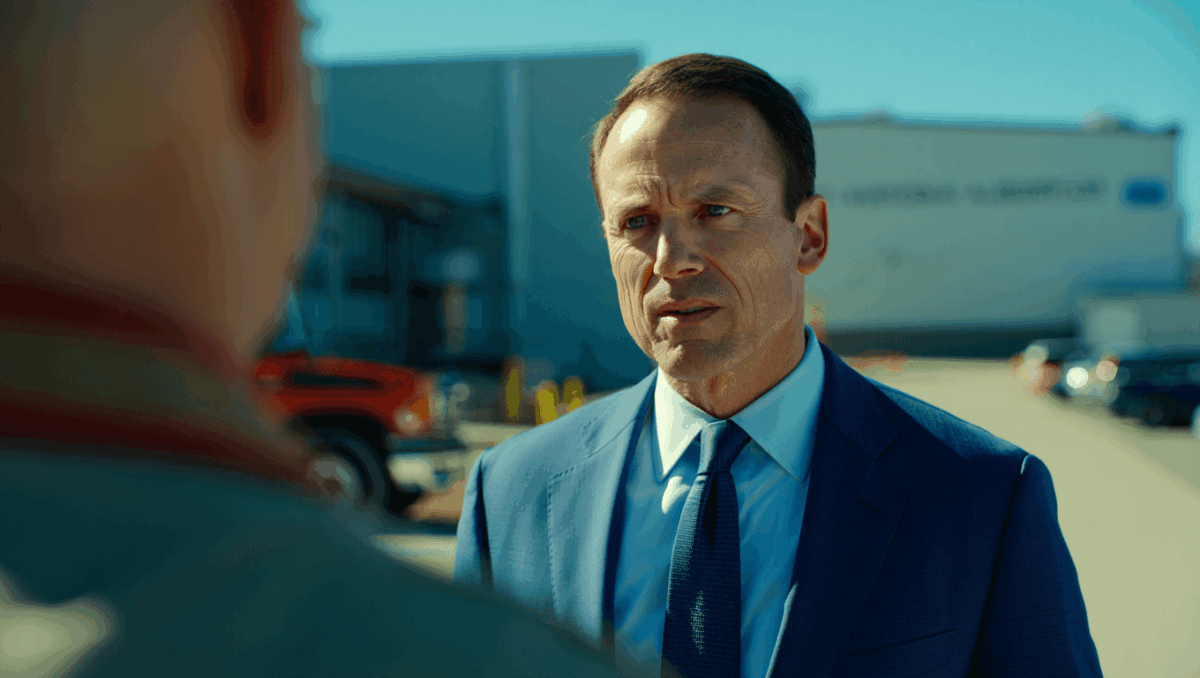
Chris Wright, the U.S. Secretary of Energy, is making an aggressive case for nuclear power expansion to address America’s surging electricity demand. His recent push calls for quadrupling nuclear capacity to 400 gigawatts by 2050, while arguing that AI-powered data centers will ultimately drive down electricity costs through increased supply investment.
🔥 Quick Facts
- Chris Wright visited Idaho National Laboratory on December 9, 2025, reaffirming support for nuclear expansion
- The Trump administration aims to increase U.S. nuclear capacity from 100 GW to 400 GW by 2050
- Data center electricity demand is projected to grow 22% in 2025 alone and triple by 2030
- U.S. electricity prices have surged 30% since 2020, rising from $0.133 to $0.188 per kilowatt-hour
Energy Secretary Pushes Nuclear Renaissance Amid AI Boom
Intuit emerges as best software stock for 2026 while stock crashes to bargain levels analysts didn’t expect
2026 tax brackets shock Americans with hidden paycheck truth nobody expected
Chris Wright has become the Trump administration’s most vocal advocate for rapid nuclear expansion. On December 9, 2025, he toured Idaho National Laboratory to showcase government commitment to the “nuclear renaissance” and discuss how nuclear energy can address the escalating electricity demands from artificial intelligence infrastructure.
Wright’s strategy emphasizes that nuclear power provides reliable baseload electricity needed to sustain data center operations. The Energy Secretary has positioned nuclear as the cornerstone solution to power the coming AI decade while addressing climate concerns with zero-carbon generation.
Marcus Lemonis takes CEO role at Bed Bath & Beyond with $25M cost-cutting plan and watch what industry experts are saying about his next move
SPX surges 34 points at open with shocking tech recovery, here’s what caused the unexpected Venezuela rally
His all-of-the-above energy approach combines nuclear, natural gas, renewables, and hydropower to create diverse energy sources. However, nuclear clearly receives priority funding and policy attention from his department.
Data Center Demand Will Push Electricity Expansion Faster
Wright argues that the explosive growth in AI data center electricity consumption creates urgency that actually benefits nuclear deployment. By 2030, data centers will triple their electricity demand, equivalent to the total power consumption of an entire state like Florida or California.
The International Energy Agency projects data centers will consume 945 terawatt-hours annually by 2030, up from roughly 450 in 2022. This staggering increase forces utilities to invest in new generation capacity, creating opportunities for nuclear installations that can operate 24/7.
Wright contends that rapid capacity buildout will eventually increase electricity supply faster than demand grows, leading to lower wholesale prices. Currently, U.S. electricity rates have **climbed 30% since 2020** due to supply constraints, but Wright predicts this reverses when nuclear and other generation sources come online.
Government Mobilizes Nuclear Loan Program Funding
| Energy Initiative | Status/Details |
| Nuclear Loan Program | Bulk of DOE funding directed to nuclear projects |
| Reactor Projects in Development | Up to 10 nuclear projects financed by Trump DOE |
| Capacity Target | 400 gigawatts by 2050 (from current 100 GW) |
| Current U.S. Nuclear Capacity | ~93 gigawatts operational |
Why Critics Question Wright’s Electricity Cost Predictions
While Wright’s long-term vision optimistic, critics argue that nuclear construction timelines stretch 10+ years, creating a critical gap between rising AI demand and available supply. Goldman Sachs and IAEA analysts confirm nuclear will be “key” to data center power, but acknowledge the decade-long lag between planning and operation.
Short-term electricity prices will likely remain elevated through the late 2020s as companies compete for limited generation capacity. Utilities are also turning to natural gas, diesel generators, and retained coal plants to bridge supply gaps before nuclear comes online.
Moreover, Wright’s former role on Oklo’s board (an advanced reactor developer) drew scrutiny from Senator Ed Markey, who questioned potential conflicts of interest in nuclear funding decisions. Wright stepped down from Oklo after his Energy Secretary confirmation.
Will Nuclear Pricing Really Decline When AI Data Centers Drive Demand?
The core of Wright’s argument rests on a simple economic principle: increased supply eventually lowers prices. However, this assumes energy buildout keeps pace with demand—a historically difficult achievement in the power sector.
Data center operators are already locking in long-term power purchase agreements with utilities at premium rates due to supply scarcity. If nuclear comes online faster than Warren predicts, true cost reductions could materialize by the 2030s for consumers and AI companies.
Conversely, continued construction delays and cost overruns would maintain elevated electricity prices regardless of Wright’s optimistic messaging. The real test comes in 2026-2027 when the first wave of new nuclear projects should yield concrete timelines and budget clarity.

Patrick Graham is a business and finance journalist translating Wall Street’s complexities into stories that matter to everyday readers. With extensive experience in financial journalism and economic analysis, this expert journalist provides sharp insights on market trends, corporate developments, and the economic forces affecting daily life. His reporting helps readers make sense of the business world’s biggest moves.