
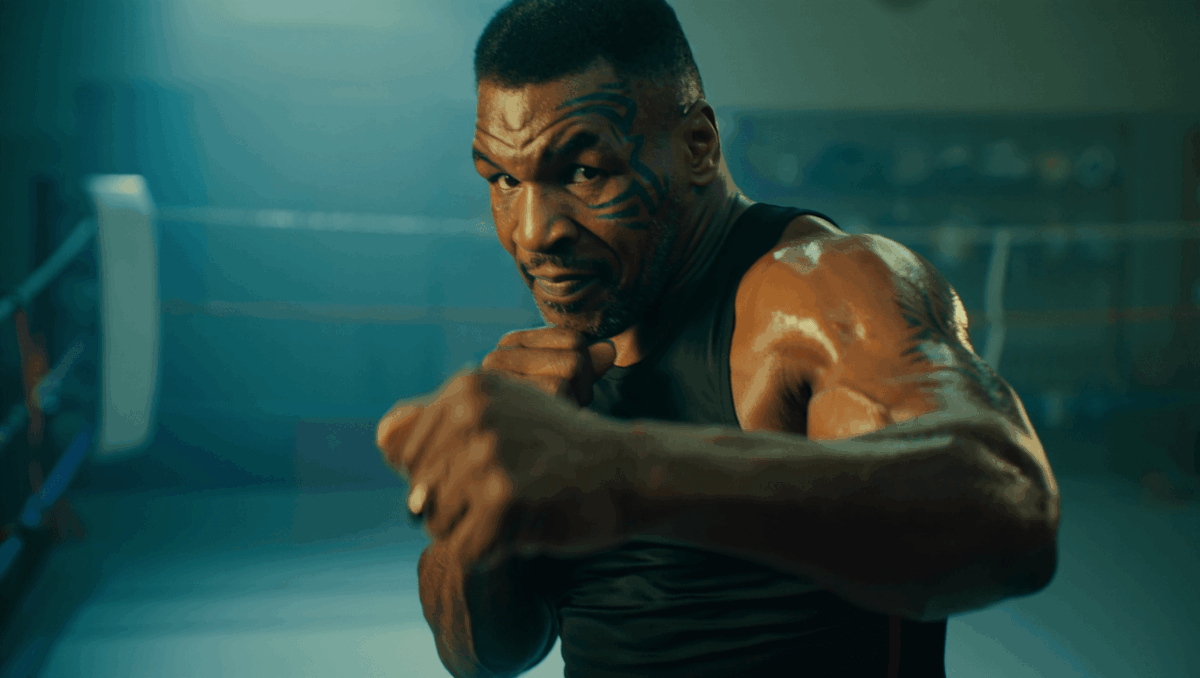
Super Bowl 60 served up some wildly disappointing commercials that left viewers asking why brands dropped millions for complete duds. From Mike Tyson‘s problematic messaging to SVEDKA‘s creepy AI robots, these worst ads became instant punchlines across social media instantly.
🔥 Quick Facts
- Super Bowl 60 Date: Aired on February 8-9, 2026, with ads costing around $8 million per 30 seconds
- SVEDKA’s AI Gamble: First fully AI-generated Super Bowl commercial described as “soulless slop” by critics
- Mike Tyson’s Misstep: MAHA Center ad drew backlash for body shaming and insensitive suicide references mixed with health messaging
- Top Flops: Ritz, Manscaped, Google Gemini, Fanatics Sportsbook, and Poppi joined the worst-of lists across major publications
SVEDKA’s Fully AI Nightmares Dominated Worst Lists
America’s Next Top Model documentary drops today on Netflix with shocking revelations
Dana Eden dies at 52, Tehran producer found dead in Athens hotel
SVEDKA launched the first fully AI-generated Super Bowl commercial, and critics brutally panned it as uninspired garbage. The vodka brand’s ad features creepy robot characters, including a revamped fembot and a new character called Brobot whose chest cavity awkwardly opens to reveal a third arm. The most glaringly absurd detail: Brobot‘s cocktail spills through the bottom of his mandible because the AI apparently forgot to program him an esophagus. TVLine called it “soulless slop” that felt untethered from any real creative voice.
The irony stings hard. SVEDKA‘s original fembot, which aired from 2005 to 2013, became iconic precisely because humans created it with intentional edge and personality. This year’s AI overhaul proves the opposite point: automation stripped away every ounce of charm. Instead of using AI as a creative tool, the brand treated it as the concept itself, resulting in forgettable imagery that screams corporate desperation rather than innovation.
Mike Tyson’s Body-Shaming Health Message Backfired Hard
Tommy Lee Jones’ daughter was pregnant before her tragic death, court docs reveal
J Cole announces The Fall-Off world tour, first global dates in decades
Mike Tyson stepped into the ring with MAHA Center’s health-focused ad, which should have worked on paper. A redeemed heavyweight champion promoting real food and fighting obesity seemed wise casting. Execution, however, crashed spectacularly. Tyson’s messaging descended into body shaming, calling Americans “obese, fudgy people” before sharing brutally personal stories about weighing 345 pounds while being “fat and nasty.” He then mentioned contemplating suicide in casual conversational tone, treating mental health crisis as a throwaway comment.
According to Adweek‘s critique, the real problem wasn’t the health message itself, but how the delivery turned shame into ammunition. Tyson’s shaming of his former self became present-day shaming of viewers. The ad attempted to inspire change through guilt and embarrassment rather than empowerment. For a Super Bowl audience already drowning in snacks and soda, the tone-deaf approach felt preachy, judgmental, and deeply insensitive to mental health conversations. Critics questioned how this cleared any focus group without major rewrites.
Five More Catastrophic Flops That Shocked Viewers
Ritz Crackers assembled a comedy dream team featuring Bowen Yang, Jon Hamm, and Scarlett Johansson, yet generated zero laughs. The “salty” premise fell completely flat, with Hamm appearing oddly disengaged and the trio delivering antisocial vibes instead of witty banter. TVLine noted the spot would’ve been “cut at dress” if it were an SNL sketch, requiring another complete script pass. Manscaped‘s grotesque animated hair creatures singing as a barbershop quartet horrified viewers mid-chip, turning stomach-churning imagery into an appetite killer. Google Gemini‘s emotional manipulation featuring an innocent child’s voice pairing AI with innocence triggered backlash for promoting technology while ignoring environmental damage.
| Brand | The Worst Problem | Critic Verdict |
| SVEDKA | Full AI generation, creepy robots, broken anatomy | “Soulless slop” – TVLine |
| Mike Tyson/MAHA | Body shaming, suicide references, tone-deaf guilt | Insensitive messaging – Adweek |
| Ritz Crackers | No laughs from high-profile comedy cast | “Cut at dress” – TVLine |
| Manscaped | Disgusting hair creatures during meal time | “Revulsion for humor” – TVLine |
| Poppi | Chaotic, confusing Gen-Z vibe overreach | Incomprehensible messaging – Adweek |
“In a year where advertisers seem determined to convince viewers that artificial intelligence is the future of creativity, this commercial stands out as the strongest argument against that idea.”
— TVLine, reviewing SVEDKA’s AI-generated spot
Why Celebrities and Budgets Aren’t Guarantees Against Disaster
Kendall Jenner‘s Fanatics Sportsbook ad made tone-deaf worse by joking that her family orchestrates athlete curses through illegal sports betting. The premise might’ve worked if Jenner weren’t worth billions shilling for a company extracting money from regular Americans. TVLine called it self-aware satire that instead read as wealthy exploitation wrapped in a wink. Bud Light‘s celebrity-packed kegger featuring Peyton Manning and Post Malone wasted golden talent on slapstick nonsense, with entire segments devoted to people tumbling in slow motion over a rolling keg rather than landing memorable jokes.
The common thread across all these failures is the same: unlimited budgets and A-list talent cannot salvage creative bankruptcy. Brands threw money at the problem instead of solving it. They hired celebrities hoping name recognition would compensate for weak premises. They embraced chaos, absurdity, and shock value as substitutes for wit and genuine connection. The 30-second Super Bowl commercial demands precision, creativity, and respect for viewers’ time. These ads delivered neither.
Did Super Bowl 60 Mark the End of Era for Big Ad Campaigns?
Industry observers noted that Super Bowl 2026 marked a troubling shift in advertising philosophy. Rather than respecting the captive audience’s intelligence, brands increasingly chased “viral moments” through shock, AI gimmicks, and celebrity spectacle. The most successful ads this year weren’t the most expensive but the ones with actual ideas. When expensive failures outnumber wins, it raises questions about whether Super Bowl advertising remains worth the astronomical costs. Companies spent around $8 million per 30 seconds, then delivered content viewers immediately mocked and forgotten. Traditional brands like Budweiser, Coca-Cola, and Pepsi have already pulled back from massive Super Bowl spending, suggesting confidence in this advertising model is already eroding.
The worst commercials of 2026 reveal something uncomfortable about modern advertising: the more desperate brands become to stand out, the more they sacrifice genuine creativity for desperation. SVEDKA betting everything on AI generation proved the technology isn’t ready for prime time. Mike Tyson’s health message showed that loaded emotional ammunition backfires when delivered without nuance. Ritz’s celebrity wipeout proved that assembling talented people doesn’t guarantee results without solid writing. As brands continue experimenting with increasingly extreme approaches, viewers are noticing the pattern: sometimes no commercial would’ve been smarter than launching these disasters nationally during the world’s most-watched broadcasting event.
Sources
- TVLine – Comprehensive ranking of five worst Super Bowl 2026 commercials with detailed critiques
- Adweek – In-depth analysis of worst ads including Mike Tyson MAHA, SVEDKA, Poppi, and industry assessment
- People Magazine – Live updates and commercial coverage from Super Bowl 60 broadcast

Jessica Morrison is a seasoned entertainment writer with over a decade of experience covering television, film, and pop culture. After earning a degree in journalism from New York University, she worked as a freelance writer for various entertainment magazines before joining red94.net. Her expertise lies in analyzing television series, from groundbreaking dramas to light-hearted comedies, and she often provides in-depth reviews and industry insights. Outside of writing, Jessica is an avid film buff and enjoys discovering new indie movies at local festivals.