
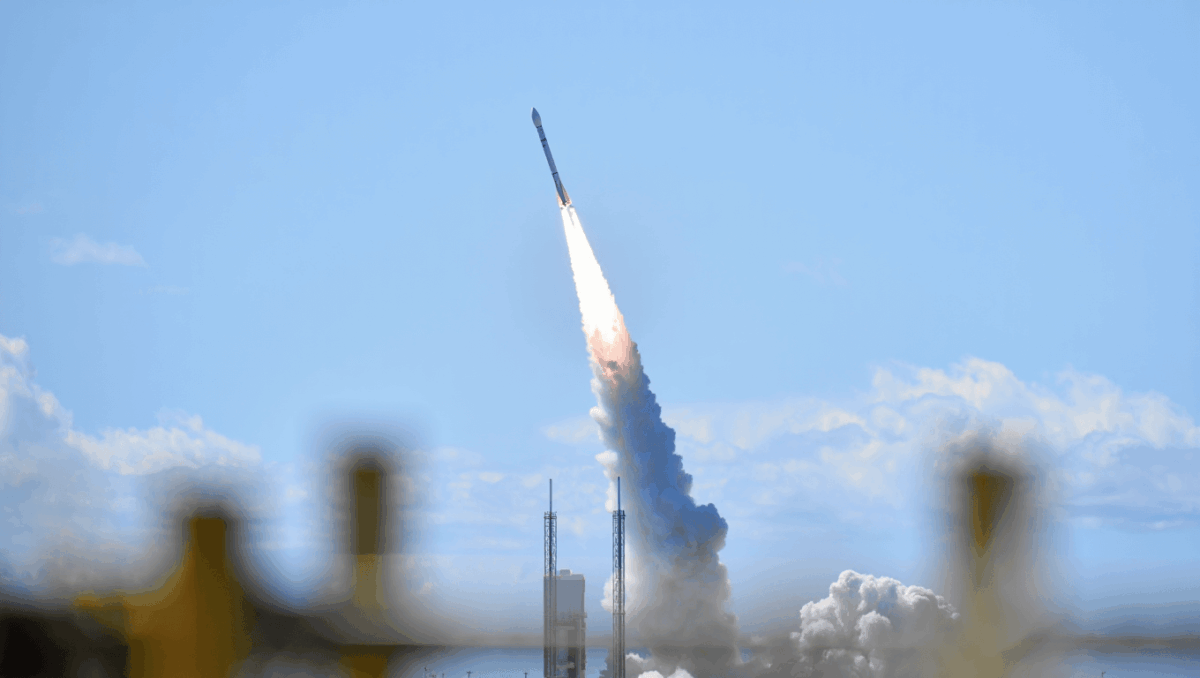
Japan’s H3 rocket failure on December 22 cost the nation its sixth Michibiki navigation satellite. This marks the second setback for the flagship launcher since its inaugural launch.
🔥 Quick Facts
- Launch date: December 22, 2025, from Tanegashima Space Center
- Satellite lost: Michibiki 5 (QZS-5) worth millions in navigation coverage
- Failure cause: Second stage engine’s ignition failed to start normally
- H3 track record: Two failures in seven total launches since March 2023
H3 Rocket Experiences Second-Stage Engine Anomaly
Intuit emerges as best software stock for 2026 while stock crashes to bargain levels analysts didn’t expect
2026 tax brackets shock Americans with hidden paycheck truth nobody expected
Japan’s H3 rocket lifted off at 8:51 p.m. Eastern on December 22 carrying the critical Michibiki 5 navigation satellite. The first stage performed nominally, burning liquid hydrogen and liquid oxygen as expected. However, complications emerged in the critical second stage.
The second stage engine’s second ignition failed to start normally and shut down prematurely. JAXA officials revealed telemetry showed the first cutoff occurred 27 seconds later than planned. The second ignition was delayed by 15 seconds and terminated almost immediately. This prevented the satellite from reaching its intended geosynchronous transfer orbit.
Impact on Japan’s Navigation Satellite System
Marcus Lemonis takes CEO role at Bed Bath & Beyond with $25M cost-cutting plan and watch what industry experts are saying about his next move
SPX surges 34 points at open with shocking tech recovery, here’s what caused the unexpected Venezuela rally
The Quasi-Zenith Satellite System relies on a constellation of satellites to provide positioning and navigation services across Japan and the Asia-Pacific region. The lost QZS-5 satellite was the sixth in a seven-orbiter system designed to augment GPS accuracy and reliability.
Japan had successfully launched the Michibiki 6 satellite in February 2025. The nation now must reschedule the seventh and final satellite to complete its navigation network. This loss complicates Japan’s space infrastructure goals during a critical expansion period.
Engine Pressure Anomaly Under Investigation
| Aspect | Details |
| Launch Vehicle | H3 Rocket (63 meters long, Japan’s flagship) |
| Mission | H3-7 with Michibiki 5 satellite |
| Failure Stage | Second stage engine ignition |
| Investigation Focus | Hydrogen tank pressure decline during first-stage burn |
JAXA has established a special task force headed by agency president Yamakawa to investigate the failure. Telemetry revealed unusual hydrogen tank pressure behavior in the second stage during the first-stage burn. This unexpected pressure loss is now the focus of investigations.
The timing of pressure drops and engine ignition delays suggests a systemic issue requiring thorough analysis. Meanwhile, U.S. Space Force cataloged an object in a 109 by 441-kilometer orbit matching the launch profile. Both the satellite and second stage are expected to reenter Earth’s atmosphere within a few orbits due to the low perigee.
Broader Implications for Japan’s Space Program
This failure carries significant consequences for Japan’s ambitious space agenda. The H3 rocket was scheduled to launch Japan’s Martian Moons eXploration mission in November-December 2026 during a narrow launch window to Mars. This mission was already delayed from the previous window in fall 2024 due to the first H3 failure.
Additionally, H3 is tasked with launching an asteroid mission for the United Arab Emirates currently scheduled for 2028. The expendable rocket was also due to carry a second HTV-X cargo spacecraft to the International Space Station. Each delay compounds pressure on Japan’s space infrastructure modernization.
Will Japan’s H3 Rocket Achieve Consistent Reliability?
The H3 rocket achieved five consecutive successful launches between March 2023 and October 2025, building confidence in Japan’s space capabilities. But this December 22 failure returns the rocket to a troubling 2-in-7 failure rate, threatening international confidence and future missions.
Recovery will require JAXA to conduct exhaustive investigations into hydrogen system pressurization and engine ignition sequences. The agency must demonstrate it has resolved root causes before resuming H3 operations. Months of investigations and potential hardware modifications likely lie ahead.
“The rocket most recently launched the first HTV-X cargo spacecraft in October, providing hope that the system could be reliable.”
— SpaceNews Coverage, Aerospace Industry Observer
Sources
- Reuters – Official H3 rocket failure reporting and JAXA statements
- SpaceNews – Detailed technical analysis of second-stage anomalies and pressure failures
- Space.com – Launch failure updates and Japan space program impacts

Patrick Graham is a business and finance journalist translating Wall Street’s complexities into stories that matter to everyday readers. With extensive experience in financial journalism and economic analysis, this expert journalist provides sharp insights on market trends, corporate developments, and the economic forces affecting daily life. His reporting helps readers make sense of the business world’s biggest moves.