
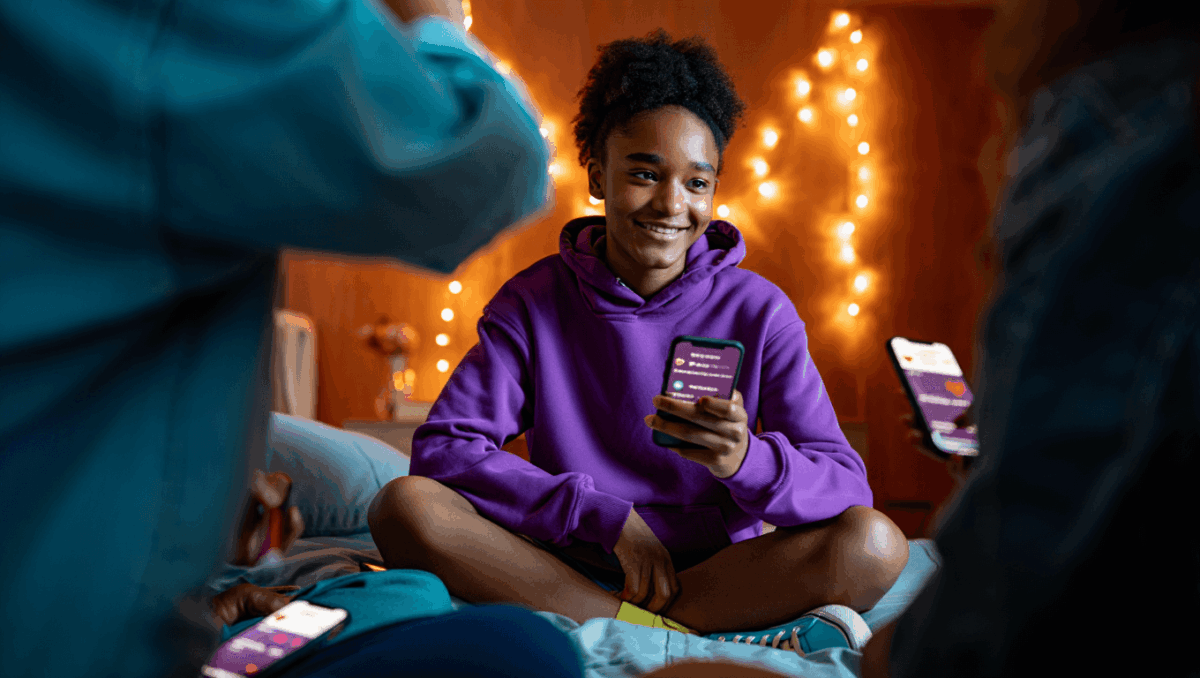
Snapchat Recap 2025 dropped today, giving millions of users a personalized year-in-review video showcasing their most meaningful moments. The standout finding reveals that talking made a massive comeback on the platform despite internet predictions of phone calls going extinct.
🔥 Quick Facts
- Snapchatters talked for 1.7 billion minutes daily in 2025, a 30% increase from the previous year
- Over 5 billion voice notes sent in the U.S. alone, representing nearly 10% growth year-over-year
- Feature launched today, December 15, 2025, accessible through the Memories section of the app
- Group chat messages grew by more than 5%, with some users sending over 8,880 messages per year
Talking Made Its Great Comeback in 2025
TurboTax Expert Full Service opens January 5, 2026, and what new tax law changes mean for your refund will surprise you
Intel stock soars 4% at open with analyst predicting $50 target, here’s why Panther Lake launch today changes everything
Against predictions that voice communication would fade, Snapchat users defied expectations by dramatically increasing their reliance on voice messages and calls. The data paint a clear picture: conversation remains essential in an increasingly digital world.
Globally, Snapchatters talked for nearly 1.7 billion minutes every day, marking a 30% jump from 2024 levels. Within the United States specifically, the numbers looked even more impressive, with over 5 billion voice notes sent throughout 2025, representing a nearly 10% increase compared to the previous year.
Samsung Galaxy S26 Ultra drops at $1,299 but kept one jaw-dropping feature completely secret until February 25
CES 2026 unveils $99 AI memory wearable and smart glasses that finally look normal, but Samsung’s 6K 3D display will blow your mind
The revival of voice communication suggests that hearing someone’s voice remains the most powerful way to stay connected, refuting claims that audio interaction was becoming obsolete on social platforms.
From Voice Notes to Emojis: How Snapchat Communication Evolved
Beyond voice, Snapchat users embraced multiple forms of expressive communication that go beyond traditional text. The platform witnessed explosive growth in quick, visual ways to convey emotion and meaning.
Chat Reactions grew by 44% in 2025, with the heart emoji taking the crown as the most popular choice. This single symbol became universal shorthand for love, hype, and affirmation across conversations. Meanwhile, 3 million additional people turned to stickers for visual communication, proving that emojis and graphics provide faster, richer ways to connect with less effort.
The 6/7 Bitmoji Sticker set a record as the most-used sticker since its launch, demonstrating how visual identity remains at the core of how young people express themselves online.
The Real Wins: Casual Connection and Mundane Moments Matter
| Snapchat 2025 Trend | Impact |
| Voice Communication | 1.7 billion minutes daily globally |
| Chat Reactions Growth | 44% increase year-over-year |
| Group Chat Participation | 5% growth in messaging volume |
| Holiday Hairstyle Trends | Slicked bun, broccoli hair, curtain bangs |
One surprising revelation showed that mundane moments matter more than ever. According to Snapchat’s insights, 40% of Gen Z users interpret random snaps as signals that someone wants to become closer friends. This shift means you no longer need major life events to reach out—casual communication has become the new standard for staying connected.
The group chat emerged as the heart of social interaction throughout 2025. Beyond raw message counts, group chats became where inside jokes were born, friendships strengthened, and communities thrived. Some of the most active Snapchatters sent over 8,880 messages to their primary group chat during the year, a testament to how vital these spaces are.
Pop Culture and Bitmoji: How Trends Shaped Self-Expression
Throughout 2025, popular culture directly influenced how users represented themselves through Bitmoji avatars and stickers. Trending hairstyles became so integral to identity expression that the most requested looks told the story of what shaped the year.
The slicked-back bun, broccoli hair, and curtain bangs dominated Bitmoji customization choices, reflecting broader fashion trends circulating across social media. These hairstyle selections weren’t arbitrary—they represented how young people aligned their digital personas with real-world cultural movements. The most-used sticker since launch became the 6/7 Bitmoji design, suggesting this specific representation resonated across the entire user base.
What Does Snapchat Recap 2025 Say About Connection in the Digital Age?
The data compiled in Snapchat’s 2025 Recap reveals a fundamental truth: connection remains the priority for Gen Z and younger audiences. Despite having fewer in-person interactions, users compensated by becoming more intentional about how they communicate digitally.
Whether through voice notes that preserve emotional tone, reactions that provide instant affirmation, or casual snaps that say “I’m thinking of you,” Snapchatters found sophisticated ways to deepen relationships. The platform’s growth metrics suggest genuine demand for authentic, real-time communication that goes beyond text-only messaging.
“Across the board, 2025 was defined by friendship, creativity, and connection. From quick chats to long calls and everything in between, friends showed up for each other in more ways than ever.”
— Snapchat Official Statement, Snapchat Newsroom
Sources
- Snapchat Newsroom – Official announcement of 2025 Recap with communication trends data
- TechCrunch – Coverage of Snapchat’s year-end recap feature rollout
- Fast Company – Guide to accessing personalized 2025 Recap and insights analysis

Lee Ann Anderson is a technology journalist specializing in consumer tech, digital innovation, and Silicon Valley trends. With a talent for breaking down complex technical concepts into accessible insights, this skilled journalist keeps readers informed about the gadgets, apps, and breakthroughs shaping our digital future. Her coverage bridges the gap between tech enthusiasts and everyday users.