
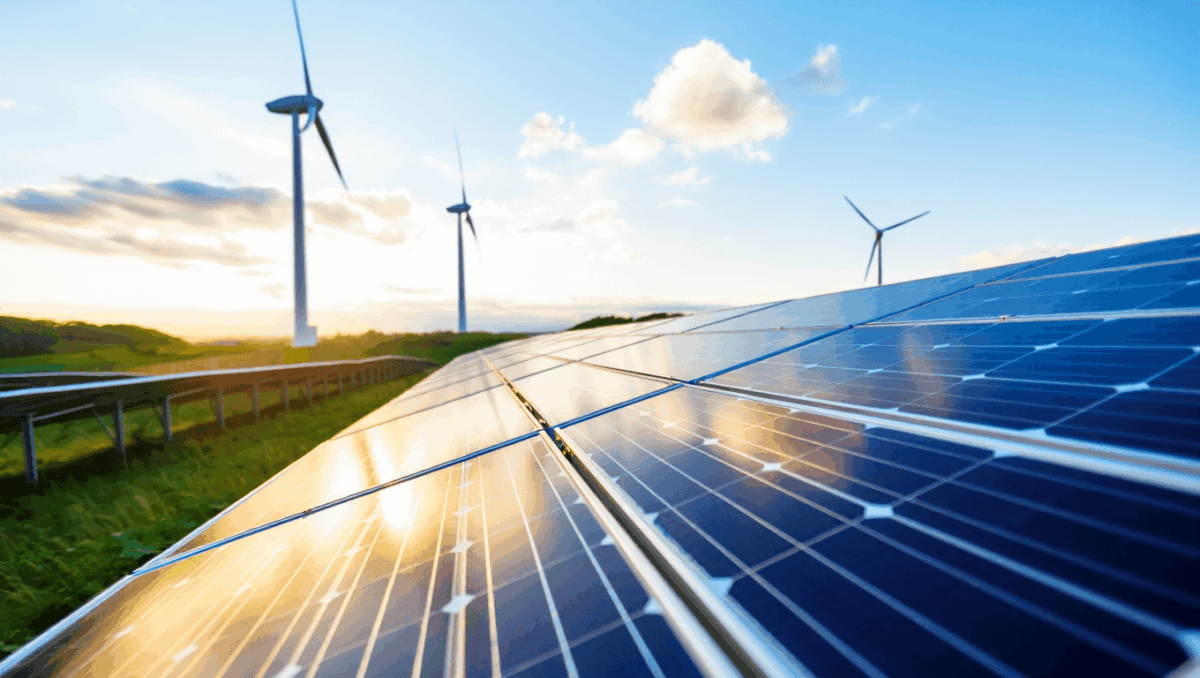
Alphabet announced Monday it will acquire Intersect Power, a clean energy and data center infrastructure company, for $4.75 billion in an all-cash deal. The acquisition marks a strategic bet to accelerate AI infrastructure expansion while addressing the critical energy demands of next-generation data centers.
🔥 Quick Facts
- Alphabet will pay $4.75 billion in cash plus assume existing debt to acquire Intersect Power
- Deal covers multiple gigawatts of energy and data center projects in development or under construction
- Intersect currently has 2.2 GW of solar and 2.4 GWh of battery storage in operation or development
- This acquisition strengthens Google’s capacity to build renewable energy and data centers in lockstep for AI workloads
What This Acquisition Means for AI Infrastructure
Intuit emerges as best software stock for 2026 while stock crashes to bargain levels analysts didn’t expect
2026 tax brackets shock Americans with hidden paycheck truth nobody expected
The energy-intensive demands of artificial intelligence have created an urgent challenge for tech giants. Data centers powering AI models consume enormous amounts of electricity, forcing companies like Google to secure reliable power sources. Intersect Power gives Alphabet direct control over clean energy generation and data center development, eliminating typical delays between building power plants and deploying computing capacity.
According to the Google blog announcement, this acquisition enables the company to “expand capacity, operate more nimbly in building new power generation in lockstep with new data center load.” This integrated approach allows Google to avoid the traditional bottleneck of waiting for regional grids to approve and build new power infrastructure.
Understanding Intersect Power’s Portfolio and Existing Operations
Marcus Lemonis takes CEO role at Bed Bath & Beyond with $25M cost-cutting plan and watch what industry experts are saying about his next move
SPX surges 34 points at open with shocking tech recovery, here’s what caused the unexpected Venezuela rally
Intersect Power has been rapidly expanding its renewable energy footprint across the United States. The company currently operates 2.2 gigawatts of solar projects and 2.4 gigawatt-hours of battery storage, primarily in California and Texas. These projects provide the foundation for building new data center capacity integrated with clean energy generation.
| Asset Category | Capacity | Status |
| Solar Generation | 2.2 GW | Operating or Under Construction |
| Battery Storage | 2.4 GWh | Operating or Under Construction |
| Primary Regions | Multiple GW Pipeline | California, Texas, Other US Markets |
How This Fits Into Google’s Broader Energy Strategy
Google has been aggressively pursuing clean energy partnerships to meet AI computing demands. In December 2024, Google, Intersect Power, and investment firm TPG Rise Climate announced a $20 billion partnership to develop industrial parks housing gigawatts of co-located data center and clean energy capacity. Now Alphabet’s full acquisition of Intersect gives Google complete control over this infrastructure strategy.
The company has previously signed over 170 renewable energy agreements globally, covering more than 22 gigawatts of clean power since 2010. Adding Intersect’s portfolio accelerates this trajectory by giving Google a dedicated development and operational partner focused exclusively on matching energy supply with data center demand.
Competitive Context and Industry Implications
The acquisition reflects intense competition among mega-tech companies for reliable, clean power sources to fuel AI infrastructure. Microsoft, Amazon, and Meta are also pursuing aggressive hyperscale data center expansion. By acquiring Intersect outright, Alphabet reduces dependency on third-party energy partners and gains operational flexibility for next-generation AI workloads.
This vertical integration strategy signals confidence that clean energy and data center development will remain critical strategic assets. The deal also demonstrates how energy infrastructure has become a competitive differentiator in the AI race, not merely a utility expense.
What Should Investors and Tech Watchers Expect From This Deal?
The acquisition is expected to close sometime in 2025 or 2026, pending regulatory approvals. Alphabet’s vast financial resources and established relationships with regulators historically enable smooth closing processes. Post-acquisition, expect accelerated development of energy parks combining solar, wind, battery storage, and AI data centers in major markets like California and Texas.
This deal could reshape how companies build critical infrastructure, with clean energy and computing capacity treated as integrated systems rather than separate markets. If successful, Alphabet’s model may prompt competitors to pursue similar vertical integration strategies, intensifying the race to secure scarce land, water, and transmission infrastructure needed for sustainable AI deployment.

Patrick Graham is a business and finance journalist translating Wall Street’s complexities into stories that matter to everyday readers. With extensive experience in financial journalism and economic analysis, this expert journalist provides sharp insights on market trends, corporate developments, and the economic forces affecting daily life. His reporting helps readers make sense of the business world’s biggest moves.