
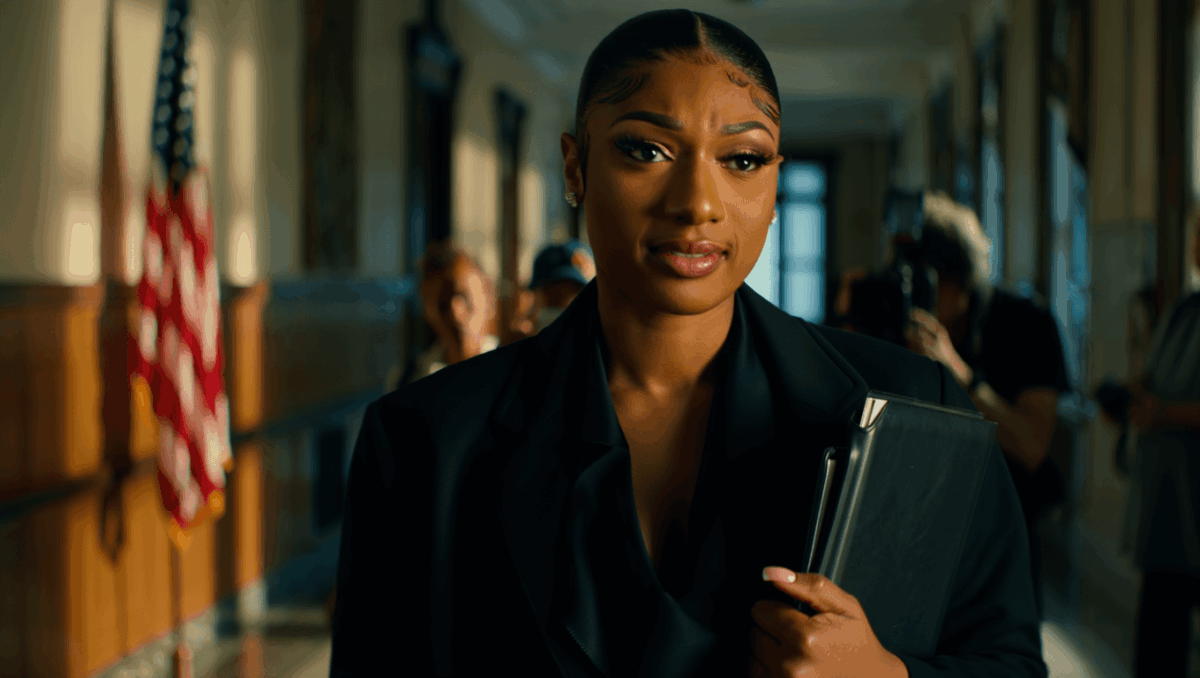
Megan Thee Stallion scored a major legal victory this week when a Miami federal jury found blogger Milagro Gramz liable for defamation and other charges related to AI-generated deepfake pornography. The case marks a significant moment for artists fighting online harassment and digital exploitation.
🔥 Quick Facts
- Milagro Cooper (aka Milagro Gramz) was found liable in Miami federal court on December 1, 2025
- Jury initially awarded $75,000 in damages, later reduced to $59,000 by Judge Cecilia M. Altonaga
- Damages included $50,000 for promoting an altered sexual depiction, $15,000 for defamation, and $8,000 for emotional distress
- Cooper was a pro-Tory Lanez blogger who spread false statements about Megan after the 2020 shooting incident
Jury Verdict Against AI Deepfake Blogger Shocks Online Community
America’s Next Top Model documentary drops today on Netflix with shocking revelations
Dana Eden dies at 52, Tehran producer found dead in Athens hotel
After two days of deliberations, the nine-member jury found Texas-based Milagro Cooper liable for defamation, intentional infliction of emotional distress, and promotion of an altered sexual depiction. The Miami federal court ruling on Monday delivered a powerful statement about holding online commentators accountable for weaponized deepfake content.
The case centered on a pro-Tory Lanez supporter who used her online platform to spread false and defamatory statements about the rapper. Cooper promoted an AI-generated pornographic video alongside these false claims, creating compounded harm through harassment and cyberstalking tactics.
Breaking Down the Damages and Judge’s Decision
Tommy Lee Jones’ daughter was pregnant before her tragic death, court docs reveal
J Cole announces The Fall-Off world tour, first global dates in decades
The jury’s $75,000 verdict broke down into specific categories addressing different harms inflicted on Megan. Fifty thousand dollars covered the severe injury from promotion of the deepfake content itself, fifteen thousand addressed the defamatory false statements, and eight thousand compensated for emotional distress caused by public harassment.
However, the decision took an unexpected turn when Judge Cecilia M. Altonaga entered a judgment on December 2 reducing the award to $59,000. The judge cited technical legal grounds, noting that a final judgment regarding the defamation count specifically had not been formally issued, creating a complicated legal situation that surprised many observers.
Deepfake Threat Landscape and Celebrity Vulnerability Statistics
| Legal Category | Amount Awarded |
| Promotion of Deepfake/Altered Sexual Depiction | $50,000 |
| Defamation Damages | $15,000 |
| Emotional Distress | $8,000 |
| Final Judgment Amount (After Reduction) | $59,000 |
The verdict sends a critical message to online commentators and bloggers about the serious legal consequences of spreading AI-generated sexual content without consent. Research shows that women in entertainment face disproportionate targeting through deepfake technology, making legal accountability increasingly important.
Megan had documented that one corporate brand deal fell through due to the harassment campaign, adding financial harm beyond emotional and reputational damage. The case represents only the second major deepfake-related legal victory of its scale in American courts.
Tory Lanez Connection and the Broader Context of Harassment
Cooper’s role as a vocal supporter of Tory Lanez added layers of complexity to the case. Lanez, serving a 10-year prison sentence for shooting Megan in 2020, has had supporters attempt to discredit her account of events through online smear campaigns. Cooper emerged as a prominent voice in this ecosystem of harassment.
Documents revealed during trial indicated Cooper accused Megan of false statements regarding the 2020 shooting incident, effectively attempting to rehabilitate Lanez’s image while simultaneously promoting the deepfake sexual content. This combination of false claims plus explicit deepfake promotion created what attorneys described as a “coordinated harassment pattern.”
The verdict potentially sets precedent for future cases involving celebrity deepfakes, particularly those weaponized alongside defamatory statements. Legal experts note this could embolden other victims to pursue similar civil actions.
What This Case Reveals About Online Accountability and Digital Platform Responsibility
The Miami jury’s decision highlights growing public concern about AI-generated deepfake pornography and the platforms that amplify such content. Online commentators and bloggers who actively promote such material may now face serious financial consequences, signaling a shift in how courts handle digital harassment.
Cooper initially claimed she was “learning a lesson” after the verdict, suggesting defensive language that stopped short of genuine accountability. Yet the monetary judgment sends unmistakable signals to the broader “gossip ecosystem” surrounding celebrities—particularly Black women artists who face heightened targeting rates.
Legal teams representing Megan emphasized that this case addresses emerging technology misuse rather than traditional defamation cases. As deepfake creation tools become increasingly accessible, courts will likely see more such cases emerge, potentially reshaping the legal landscape around digital consent violations.
“This verdict sends a powerful message that there are real consequences for spreading false and defamatory statements combined with weaponized deepfake content against public figures.”
— Legal analysts, Entertainment Law Perspective
Sources
- NBC News – Comprehensive coverage of jury verdict and damage awards
- Rolling Stone – Trial analysis and deepfake implications
- USA Today – Case outcome and Megan Thee Stallion statement

Jessica Morrison is a seasoned entertainment writer with over a decade of experience covering television, film, and pop culture. After earning a degree in journalism from New York University, she worked as a freelance writer for various entertainment magazines before joining red94.net. Her expertise lies in analyzing television series, from groundbreaking dramas to light-hearted comedies, and she often provides in-depth reviews and industry insights. Outside of writing, Jessica is an avid film buff and enjoys discovering new indie movies at local festivals.