
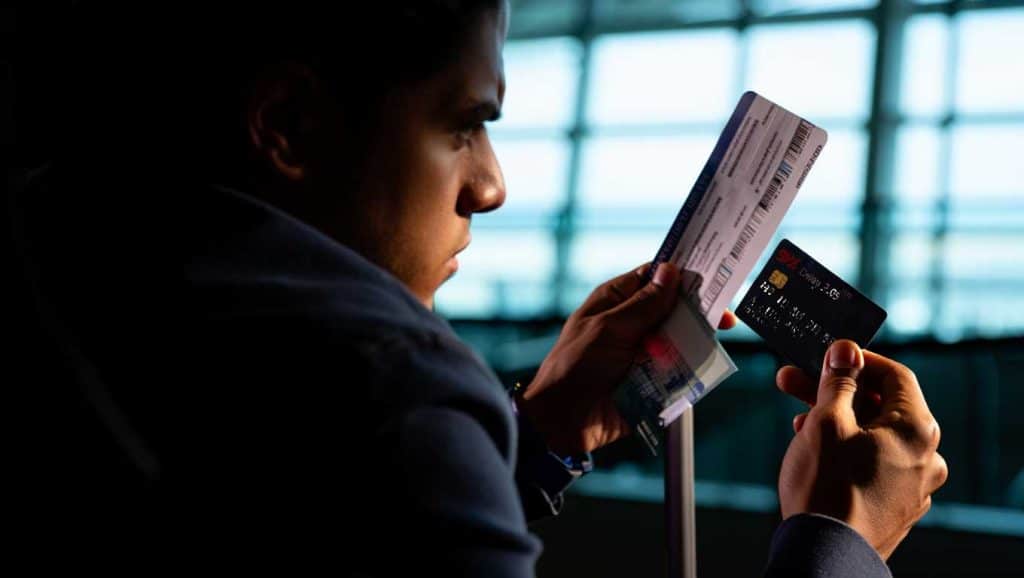
New rules now force quick cash back when specific travel problems hit. If a delay reaches 3 hours domestic or 6 hours international—or baggage lags 12+ hours—you can get money returned without asking, officials said.
Powerball winner scoops $1.817 billion on Christmas Eve, what happens next will change their life forever
Zendaya shuts down pregnancy rumors after viral London outing with Tom Holland goes too far—here’s what she actually said
Millions flew last year and many missed out on money they were owed. The updated standards define exactly when carriers must pay, set 7-business-day timelines for card purchases, and stop vouchers from being the default. Here’s how to use it before the holiday crush.
The three hour line that changes your options
A “significant” hold-up now has a clear floor: 3 hours on U.S. routes and 6 hours on international. If you don’t accept a new itinerary, you’re owed the original amount back—cash or original form of payment, including taxes and carrier fees. Time shifts, airport swaps, added connections, or a downgrade also count as major changes. Checked bags that miss the carousel by 12 hours on domestic routes—or 15–30 hours on international—trigger money back for the bag fee. Airlines must issue it automatically, not after you chase forms.
NEWS: We just issued a rule that requires airlines to promptly provide passengers with automatic, cash refunds when owed. No more having to request your money back—airlines should automatically do this. https://t.co/KwkWYfdPph
— U.S. Department of Transportation (@USDOT) April 24, 2024
Arkansas lottery wins $1.817 billion Powerball jackpot on Christmas Eve, here’s what happens to the money
Powerball winner scoops $1.817 billion jackpot on Christmas Eve, but nobody knows who they are yet
Who gains and who loses under the new standard
Frequent travelers, families with tight connections, and anyone buying extras like seat selection or Wi-Fi benefit most, because those add-on fees must be returned if the service isn’t provided. Carriers lose the wiggle room to define “significant” on their terms. If you accept a rebooked trip or credit, the automatic payment typically doesn’t apply; declining the alternative keeps your right intact.
“Passengers deserve to get their money back when an airline owes them — without headaches or haggling.” — Pete Buttigieg, U.S. Transportation Secretary
What happens if you turn down a voucher offer?
Saying no keeps your right to a full cash return. Companies can still offer credits, but only if you affirmatively choose them. If you prefer funds back to your card or miles account, that’s what must be issued—no substitution. Watch for the timeline: 7 business days for card purchases, 20 calendar days for cash or other methods.
Your three steps before Nov. 27
Lock in your payout quickly with a simple checklist.
-
Confirm you qualify
If the hold-up hits 3 hours (U.S.) or 6 hours (international), or a bag misses the 12/15/30-hour marks, you’re in. A downgrade or added connection also qualifies. -
Decline alternatives you don’t want
If you want money back, don’t accept a credit or rebooked itinerary. Keep communications in writing. -
Track the clock
Set a reminder for Day 7 (card) or Day 20 (cash/other). If funds aren’t back, file a formal complaint.
| Step | Detail | Deadline |
|---|---|---|
| Step 1 | Verify delay, downgrade, airport change, added connection, or baggage-late window (12/15/30 hours) | Day 0 |
| Step 2 | Politely decline credits if you want funds back to your original payment | Immediately |
| Step 3 | Expect return in 7 business days (card) or 20 days (other) | Day 7/20 |

What to expect by December as enforcement ramps up
Officials say the automatic payments rule is active; standards are now uniform nationwide. Disclosure rules for add-on fees have faced court challenges, but the core money-back triggers remain. Over the next 30–90 days, expect more consistent notices at booking and faster payouts as systems catch up.
SOURCES
https://www.transportation.gov/briefing-room/biden-harris-administration-announces-final-rule-requiring-automatic-refunds-airline
https://www.transportation.gov/briefing-room/what-airline-passengers-need-know-about-dots-automatic-refund-rule
https://www.reuters.com/legal/appeals-court-blocks-us-airline-fee-disclosure-rule-2024-07-30/

Jessica Morrison is a seasoned entertainment writer with over a decade of experience covering television, film, and pop culture. After earning a degree in journalism from New York University, she worked as a freelance writer for various entertainment magazines before joining red94.net. Her expertise lies in analyzing television series, from groundbreaking dramas to light-hearted comedies, and she often provides in-depth reviews and industry insights. Outside of writing, Jessica is an avid film buff and enjoys discovering new indie movies at local festivals.