
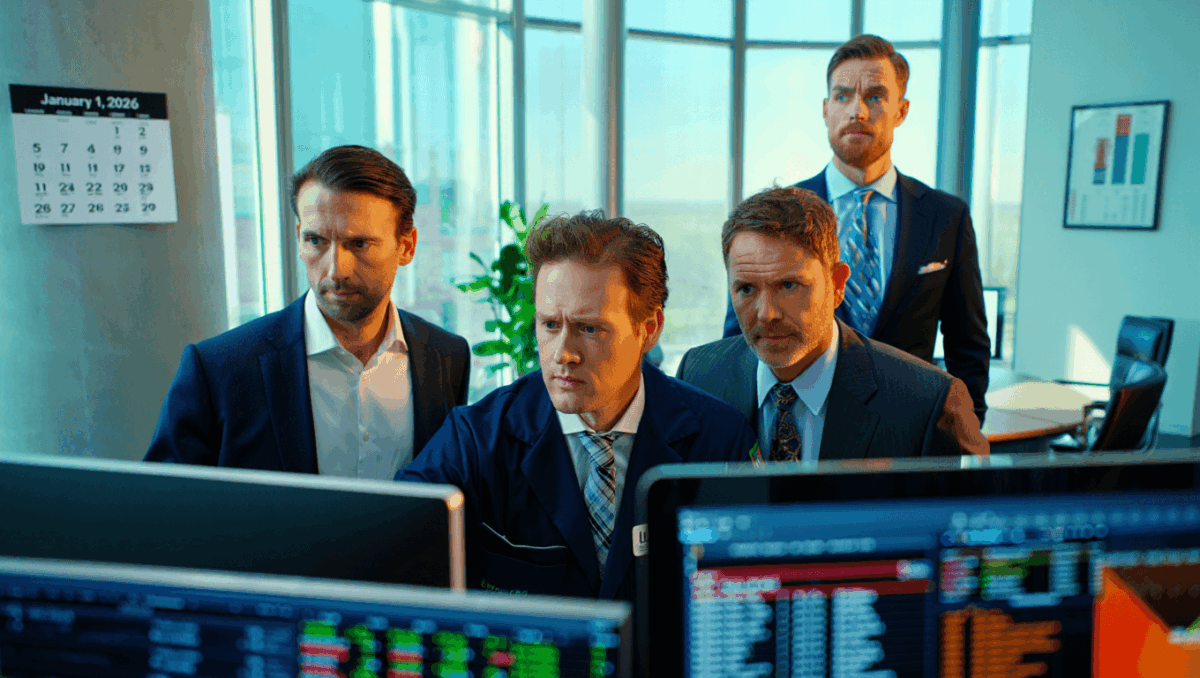
Is the stock market open today? No, both the NYSE and Nasdaq are closed today, January 1, 2026, for the New Year’s Day holiday. Investors and traders will need to wait until January 2 to resume trading.
🔥 Quick Facts
- Both NYSE and Nasdaq are closed on Thursday, January 1, 2026 for New Year’s Day
- Stock markets will reopen on Friday, January 2, 2026 for regular trading hours 9:30 a.m. ET through 4:00 p.m. ET
- Bond markets also closed today and will resume normal operations tomorrow
- The next scheduled market closure will be on Monday, January 19 for Martin Luther King Jr. Day
Stock Market Closed Today for Federal Holiday
Intuit emerges as best software stock for 2026 while stock crashes to bargain levels analysts didn’t expect
2026 tax brackets shock Americans with hidden paycheck truth nobody expected
All U.S. stock and bond markets are completely closed on January 1, 2026, in observance of New Year’s Day. This federal holiday affects both major exchanges, the New York Stock Exchange (NYSE) and the Nasdaq, preventing all trading activity until tomorrow morning.
The New York Stock Exchange observes 10 official holidays throughout the year when both markets remain closed. New Year’s Day ranks as the first major trading halt of 2026, following the early market closure on December 31, 2025.
Trading Resumes Friday with Full Hours
Marcus Lemonis takes CEO role at Bed Bath & Beyond with $25M cost-cutting plan and watch what industry experts are saying about his next move
SPX surges 34 points at open with shocking tech recovery, here’s what caused the unexpected Venezuela rally
Markets shift back to full operation beginning Friday, January 2, 2026, with standard trading hours from 9:30 a.m. Eastern Time through 4:00 p.m. Eastern Time. Both the NYSE and Nasdaq will handle normal trading volume without any time restrictions.
Investors should note that bond markets also closed today and will reopen tomorrow at regular hours. The bond market had already closed early on December 31 at 2:00 p.m. ET for New Year’s Eve, giving the financial sector a proper holiday break.
Complete 2026 Holiday Schedule for Stock Markets
| Holiday Name | Date | Day of Week |
| New Year’s Day | January 1, 2026 | Thursday |
| MLK Jr. Day | January 19, 2026 | Monday |
| Presidents’ Day | February 16, 2026 | Monday |
| Good Friday | April 3, 2026 | Friday |
| Memorial Day | May 25, 2026 | Monday |
New Year’s Eve Had Early Market Close
Investors who traded yesterday on December 31, 2025 experienced a different schedule. The stock market did operate on New Year’s Eve but only for a full day session, while the bond market closed early at 2:00 p.m. ET to give traders and professionals a head start on holiday celebrations.
This two-day break around the New Year is standard practice for U.S. financial markets. The NYSE and Nasdaq maintain these closures to acknowledge federal holidays and provide the financial sector with beneficial downtime for system maintenance and staff rest.
What Should Investors Do Until Markets Reopen Tomorrow?
During market closure days, individual investors cannot place orders through normal trading channels on NYSE or Nasdaq. However, some brokers offer after-hours or pre-market trading capabilities during regular trading days, though this doesn’t apply to federal market closures like today.
Traders should use this time to review their investment portfolios, plan their trading strategies for January 2, and analyze recent market trends. The extended break provides a perfect opportunity to assess financial goals and prepare for the active trading week ahead when markets fully reopen.
Sources
- USA Today – Stock market holiday schedules and trading hours
- New York Stock Exchange (NYSE.com) – Official market hours and holiday calendar
- Nasdaq.com – Holiday schedule and market status information

Patrick Graham is a business and finance journalist translating Wall Street’s complexities into stories that matter to everyday readers. With extensive experience in financial journalism and economic analysis, this expert journalist provides sharp insights on market trends, corporate developments, and the economic forces affecting daily life. His reporting helps readers make sense of the business world’s biggest moves.