
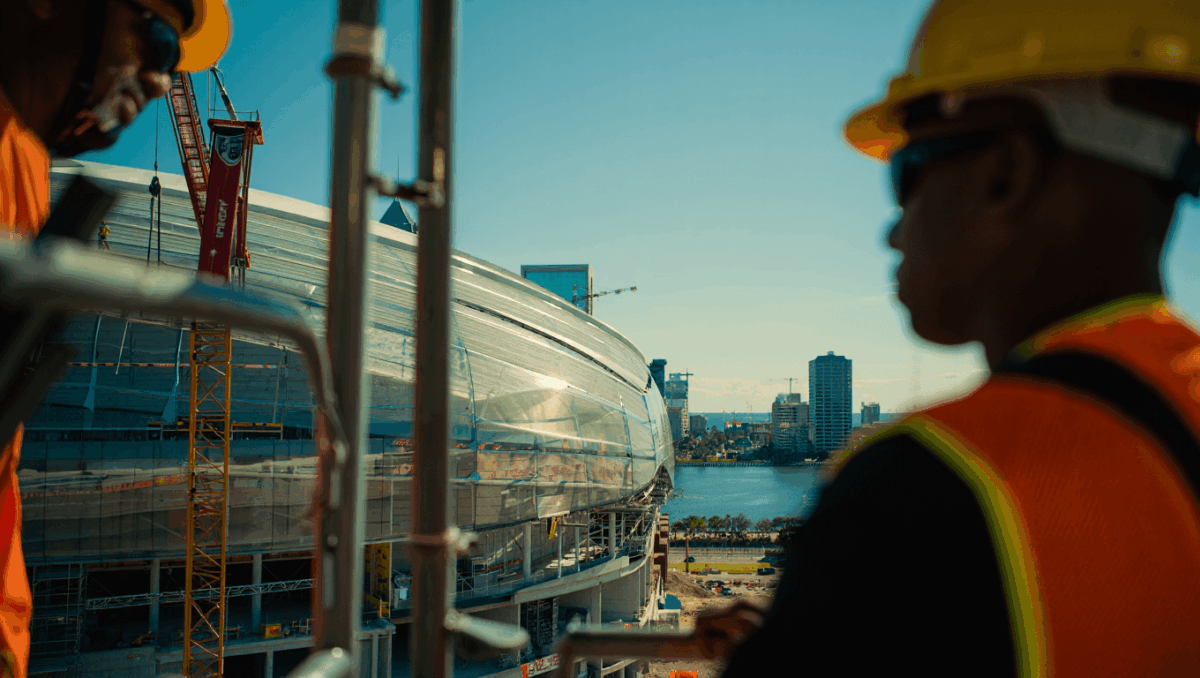
The Jacksonville Jaguars stadium is revealing a transformation that will reshape the NFL landscape. After just over a month into construction, the Stadium of the Future project is already roughly 10 percent complete as of January 2026. The $1.4 billion renovation of EverBank Stadium is racing toward an August 2028 opening with innovative technology never before attempted in professional sports.
🔥 Quick Facts
- Project Cost: $1.4 billion renovation of EverBank Stadium downtown Jacksonville
- Opening Date: August 2028, giving Jaguars one season away (2027) during construction
- Construction Progress: Approximately 10 percent complete as of January 2026, with exterior foundation and utilities work underway
- Key Innovation: ViewScape transparent canopy reducing heat by 70 percent, first-of-its-kind technology for NFL stadiums
The Vision Behind the Renovation
Cagliari faces Lecce tonight in Serie A showdown, Rossoblu seek top-half push
Girona faces Barcelona tonight in La Liga showdown, Barcelona chases lead
The Jacksonville Jaguars and City of Jacksonville partnered to transform EverBank Stadium, originally built in 1995, facing significant mechanical and plumbing challenges. Rather than abandoning the existing structure, the Stadium of the Future adopts a sustainable approach, reusing much of the current foundation. This strategy reduces environmental impact while delivering state-of-the-art facilities. The renovation will support NFL games, the Florida-Georgia Classic, the TaxSlayer Gator Bowl, international soccer matches, and mega concerts.
Design firm HOK led the architectural vision, emphasizing fan comfort and climate resilience. The result represents the most comprehensive stadium reimagining in recent professional sports history. According to Jaguars officials, the facility will serve Jacksonville fans for the next three decades minimum.
Breaking Records with the Transparent Canopy
East Texas A&M faces Southeastern in Family Fun Day matchup today
Macclesfield faces Brentford tonight in FA Cup fourth-round showdown
The stadium’s signature feature is a revolutionary ViewScape material, a transparent polymer covering never deployed in professional sports before. This innovative shell reduces interior heat by more than 70 degrees Fahrenheit compared to direct sunlight exposure. The canopy is contoured to permit prevailing winds into the bowl at corner openings, creating natural ventilation while preventing weather disruption. The design enables year-round events regardless of tropical downpours or summer heat.
Engineers designed the canopy to sit on an entirely new column structure surrounding the existing bowl, reducing structural loads on aging concrete. This independent system protects the existing infrastructure while supporting massive new features. The material’s transparency maintains sightlines and connection to downtown Jacksonville’s skyline, addressing fan feedback from extensive community surveys.
What Fans Will Experience in 2028
| Feature | Details |
| Stadium Capacity | 63,000 base, expandable to 70,000 for special events |
| Concourse Width | 360-degree circulation, four times wider than current spaces |
| Climate Control | ViewScape canopy reduces heat by 70+ percent, permits natural wind flow |
| Premium Seating | Varied options from field-level to sky suites, flexible configurations |
| Vertical Transport | Four grand staircases at corners (one opened October 2025), escalators, improved circulation |
“The transformation of this city-owned asset will benefit Jacksonville and the region. This project belongs to everyone.”
— Jacksonville Jaguars organization, official Stadium of the Future program
The Construction Schedule and Temporary Relocation
The 2025 season saw Jacksonville Jaguars play in their traditional home with minimal interior disruption, though extensive exterior work continued. For the 2026 season, seating capacity will drop to approximately 43,500 as the upper bowl undergoes steel erection and concourse expansion. The 2027 season requires complete relocation, likely to Orlando’s Camping World Stadium or Gainesville’s Ben Hill Griffin Stadium. This one-year displacement cost less than a four-year phased approach, saving taxpayers over $190 million in construction delays.
The Florida-Georgia football game moves to Atlanta in 2026 and Tampa in 2027, returning to Jacksonville in 2028. The TaxSlayer Gator Bowl follows a similar pattern, ensuring no December holidays are disrupted once the stadium reopens.
Will the Stadium of the Future Transform Jacksonville’s Sports Future?
Beyond the Jacksonville Jaguars, the renovated venue positions the city to attract Super Bowls, NCAA Final Four tournaments, College Football Playoffs, and marquee concerts. The economic impact analysis estimates the $1.4 billion investment will generate $2.4 billion in direct spending during construction alone, creating 17,760 jobs. Over 30 years, the stadium is projected to deliver a $26 billion economic impact for northeast Florida. The community benefits agreement pairs the city and Jaguars in a historic $300 million commitment to the Riverside neighborhood, workforce development, affordable housing, and riverfront parks. Could this reimagined venue finally restore Jacksonville to its rightful place among America’s premier sports cities?

Michael Brown is a seasoned sports journalist bringing years of experience covering professional athletics and sporting culture. With a keen eye for breaking stories and player dynamics, this veteran journalist delivers in-depth analysis and exclusive insights from the world’s biggest sporting events. His passion for the game shines through in every story, keeping fans connected to the action both on and off the field.