
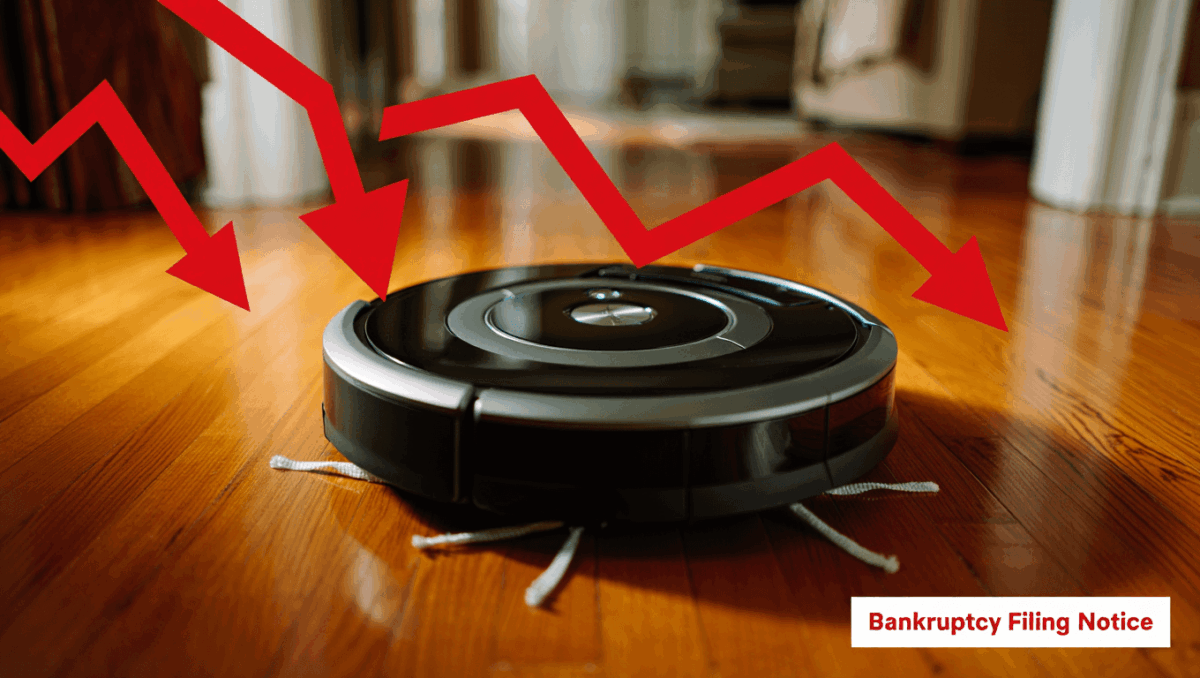
iRobot stock plummeted dramatically as the Roomba maker filed for Chapter 11 bankruptcy on December 15, 2025. The company’s shares dropped 78% to 95 cents, wiping nearly $4.4 billion from the Massachusetts-based robotics firm’s market value. Chinese manufacturer Picea Robotics will acquire 100% of iRobot’s equity through this court-supervised restructuring process.
🔥 Quick Facts
- Stock collapse: iRobot shares fell 78% to 95 cents, down from $4.32 on Friday
- Market cap obliteration: Company value dropped from $4.53 billion to just $137.5 million
- Picea takeover: Chinese manufacturer acquiring 100% equity, becoming private company owner
- Debt restructuring: Picea will cancel remaining $190 million from 2023 loan, take full control
Why iRobot Stock Crashed After Bankruptcy Filing
Intuit emerges as best software stock for 2026 while stock crashes to bargain levels analysts didn’t expect
2026 tax brackets shock Americans with hidden paycheck truth nobody expected
iRobot stock evaporated almost overnight on December 15, 2025 as investors digested devastating news. The company’s common stock will be wiped out completely under the bankruptcy plan. Shareholders held essentially worthless equity as the court-supervised restructuring eliminates their ownership stakes entirely.
The dramatic collapse represents the culmination of iRobot’s downward spiral following the failed Amazon acquisition in January 2024. European regulators blocked that $1.7 billion deal, leaving iRobot vulnerable to Chinese competition and mounting debt. The company burned through cash reserves at an alarming rate, with cash and equivalents totaling just $40.6 million by June 2025, insufficient to meet its obligations.
| Financial Metric | Value |
| Stock Price (Friday) | $4.32 |
| Stock Price (Bankruptcy Day) | $0.95 |
| Market Cap Before | $4.53 billion |
| Market Cap After | $137.5 million |
Picea Robotics Emerges as New Owner Through Bankruptcy
Marcus Lemonis takes CEO role at Bed Bath & Beyond with $25M cost-cutting plan and watch what industry experts are saying about his next move
SPX surges 34 points at open with shocking tech recovery, here’s what caused the unexpected Venezuela rally
Picea Robotics, the Shenzhen-based manufacturing supplier based in China, will become iRobot’s sole owner. The pre-packaged Chapter 11 process moves Picea from creditor status to complete ownership. The restructuring agreement grants Picea 100% of iRobot’s equity interests, transforming the company from publicly traded to entirely private.
Under the restructuring support agreement, Picea will cancel the remaining $190 million on the 2023 credit facility and absorb iRobot’s accumulated debt. Court approval is expected by February 2026, allowing Picea to control iRobot’s operations, intellectual property, and the iconic Roomba brand globally. This marks a dramatic shift in the robotics vacuum industry toward Chinese manufacturing dominance.
iRobot will continue operating as a going concern during bankruptcy. The company maintains its ability to meet employee commitments and customer obligations throughout the restructuring process. Manufacturing and customer service operations continue uninterrupted under Picea’s practical control.
Amazon Deal Collapse Led to iRobot’s Financial Downfall
The cancelled Amazon acquisition triggered iRobot’s bankruptcy trajectory. EU competition regulators blocked the deal in January 2024, eliminating hopes for a strategic partnership. Without Amazon’s resources and market distribution, iRobot faced relentless competition from aggressive Chinese robotics manufacturers flooding the market with cheaper alternatives.
iRobot experienced severe financial deterioration throughout 2025. Second-quarter earnings totaled just $127.6 million, down 23.3% year-over-year. The company struggled to compete on price while maintaining profitability. By October 2025, iRobot warned that its search for alternative buyers faced substantial roadblocks, causing 33% stock declines as investors recognized the dire situation.
Chinese Takeover Reignites Trade and Competition Tensions
Picea’s acquisition of iRobot sparks concerns about Chinese manufacturing dominance in robotics. According to The Guardian, the takeover “could reignite” broader trade debates about technology control and intellectual property. The deal demonstrates how Chinese manufacturers increasingly control supply chains and now move upstream into brand ownership.
Picea previously served as iRobot’s principal component supplier and lender, positioning the company perfectly to acquire distressed assets. Picea’s Hong Kong subsidiary had already acquired remaining debt in November 2025. This strategic positioning allowed Picea to execute a low-cost takeover that transforms market dynamics in the robot vacuum industry.
What Happens to iRobot Shareholders Now?
iRobot shareholders face complete equity elimination in this bankruptcy restructuring. The common stock held by public investors becomes worthless as Picea assumes 100% ownership. No recovery is anticipated for equity holders, a devastating outcome for anyone holding the shares before December 15.
The bankruptcy filing represents a total loss for retail and institutional shareholders who rode iRobot’s stock down from much higher valuations. Year-to-date, iRobot lost 45% of market value before the final bankruptcy announcement. Employees face uncertainty regarding their positions, though iRobot commits to meeting existing payroll obligations during restructuring.
Sources
- Reuters – iRobot enters Chapter 11 bankruptcy, Picea takeover details
- The Guardian – Roomba maker acquired by Chinese supplier analysis
- Barron’s – Stock price decline and market capitalization collapse

Patrick Graham is a business and finance journalist translating Wall Street’s complexities into stories that matter to everyday readers. With extensive experience in financial journalism and economic analysis, this expert journalist provides sharp insights on market trends, corporate developments, and the economic forces affecting daily life. His reporting helps readers make sense of the business world’s biggest moves.