
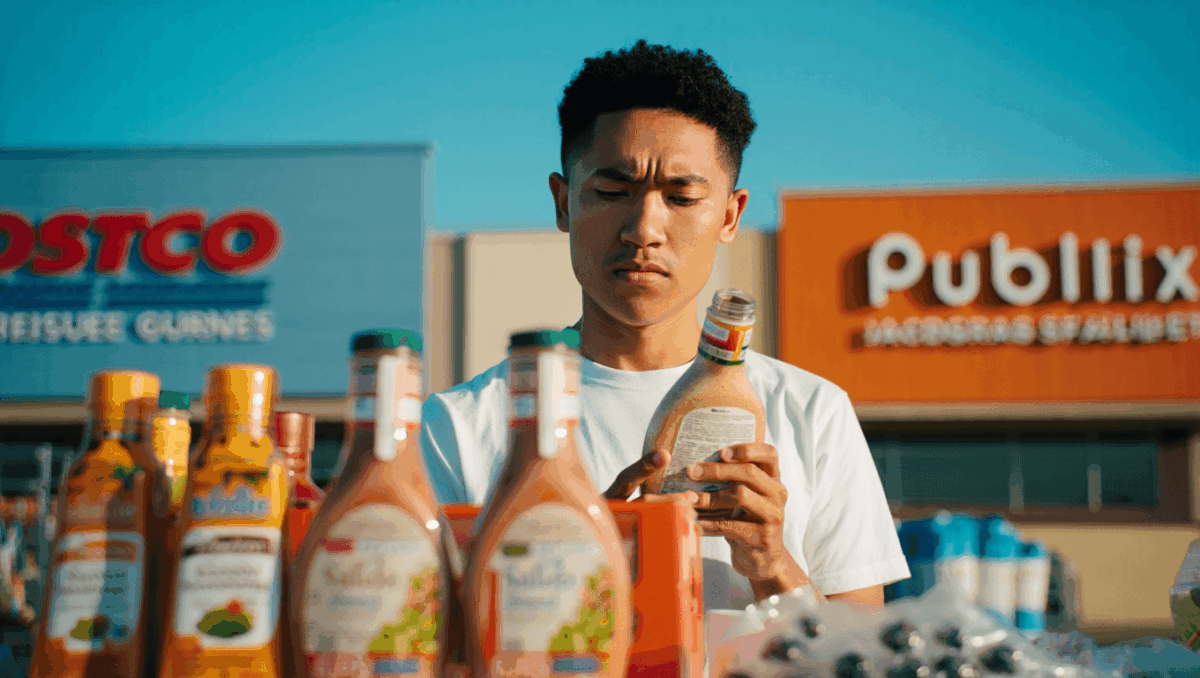
Over 3,500 cases of popular salad dressings have been pulled from Costco, Publix, and other retailers after black plastic contamination was discovered in the products. The FDA issued a Class II recall affecting 27 states, with major brands including Hidden Valley Ranch and Ventura Caesar dressing among those recalled. Check your fridge immediately if you shop at these stores.
🔥 Quick Facts
- 3,556 cases of salad dressings recalled due to black plastic planting material in granulated onion
- Recall issued on November 4, 2025 by California-based Ventura Foods, classified as Class II on December 4
- Affected products have sell-by dates between October 17 and November 9, 2025
- 27 states impacted including California, Texas, Florida, New York, and Pennsylvania; one customer in Costa Rica also affected
What Dressings Are Being Recalled?
Powerball winner scoops $1.817 billion on Christmas Eve, what happens next will change their life forever
Zendaya shuts down pregnancy rumors after viral London outing with Tom Holland goes too far—here’s what she actually said
The recall affects professional and service-size dressings sold to restaurants, delis, and food-service operations. Regular grocery store-sized retail products do not appear to be affected. Recalled varieties include Monarch Italian Salad Dressing, Sysco Creamy Poblano Avocado Ranch Dressing, Ventura Caesar Dressing, Pepper Mill Caesar varieties, Costco Service Deli Caesar, and Hidden Valley Buttermilk Ranch.
A Hidden Valley representative clarified that their retail products sold in grocery stores are not included. “No Hidden Valley Ranch products sold in stores to consumers are included in the voluntary recall,” the company stated. The contaminated professional-size dressing was intended for food service only.
How the Contamination Happened
| Aspect | Details |
| Contamination Source | Black plastic planting material found in granulated onion ingredient |
| Recall Manufacturer | Ventura Foods LLC (California-based) |
| Recall Classification | Class II – indicates temporary or medically reversible health risks |
| Retailers Affected | Costco, Publix, and 5 additional retail chains across 42 locations |
| No. of Cases Recalled | 3,556 cases total across all affected states |
Arkansas lottery wins $1.817 billion Powerball jackpot on Christmas Eve, here’s what happens to the money
Powerball winner scoops $1.817 billion jackpot on Christmas Eve, but nobody knows who they are yet
The contamination originated in the granulated onion ingredient supplied for these dressings. When Ventura Foods discovered the black plastic planting material, they immediately initiated the voluntary recall. The issue was later classified as a Class II recall, meaning the health risk is considered temporary or medically reversible. As of now, no hospitalizations have been reported.
Which States Are Affected?
The 27 affected states are: Arkansas, Colorado, Florida, Georgia, Illinois, Indiana, Kansas, Kentucky, Louisiana, Maryland, Michigan, Minnesota, Missouri, Nebraska, New Hampshire, New Jersey, North Carolina, North Dakota, Ohio, Oklahoma, Oregon, Pennsylvania, South Carolina, Texas, Virginia, Washington, and Wisconsin. These dressings were sold to 42 retail locations across these states, with one additional customer in Costa Rica.
If you live in one of these states and purchased dressing from Costco or Publix during the timeframe, check your product label. Look for sell-by dates between October 17 and November 9, 2025. Products purchased after mid-November should be safe, as the recall covers only dressings with those specific lot codes and manufacturing dates.
What Should Consumers Do?
The FDA advises all consumers who purchased any of the recalled dressings to immediately stop using them. Do not consume the products even if they appear normal. Return the dressing to your store of purchase for a full refund, no questions asked. Retailers including Costco and Publix are accepting returns of affected products.
If you used the contaminated dressing to prepare salads or other dishes at home, monitor yourself for any adverse health effects. Symptoms of plastic ingestion are rare but may include digestive discomfort. If you experience unusual symptoms after consuming these dressings, contact your healthcare provider immediately. The FDA enforcement report notes that because some dressings were supplied to food-service and deli counters, contaminated products may have been used in ready-to-eat prepared meals even if not manufactured by Ventura Foods.
Why Is This Recall Taking So Long?
“A situation in which use of or exposure to a violative product may cause temporary or medically reversible adverse health consequences or where the probability of serious adverse health consequences is remote.”
— U.S. Food and Drug Administration, Class II Recall Definition
The recall began on November 4, 2025, when Ventura Foods discovered the contamination and voluntarily pulled the products. However, the FDA did not formally classify it as a Class II recall until December 4, creating a one-month delay. This timing explains why the recall is only now receiving widespread consumer attention despite being initiated over a month ago.
The delay between the initial recall announcement and formal FDA classification gave retailers and distributors time to organize the product removal. According to the FDA’s official enforcement report, products were shipped to seven retail customers operating 42 locations across multiple states, complicating the logistics of the full recall process.
Is This Recall Connected to Other Food Safety Issues?
This recall is part of a broader trend in the food industry. According to food safety experts, contamination issues involving granulated spices and dried ingredients have increased significantly. Earlier this year, Costco also recalled Caesar salad products and chicken sandwiches over similar plastic contamination concerns in salad dressing. The consistent theme across these recalls is that the contamination originates in ingredient suppliers rather than at the final product manufacturing stage, a critical gap in supply chain oversight that food companies and regulators are working to address.
Consumers concerned about plastic contamination in dressings should check product packaging for lot codes and manufacturing dates before purchasing. If you regularly purchase prepared salads from deli counters at grocery stores between October and November, you should ask about the sourcing of their dressings to ensure none of the recalled products were used.

Daniel Harris is a specialist journalist focused on the crossroads of breaking news, extraordinary history, and enduring legends. With a background in historical research and storytelling, he blends timely reporting with timeless narratives, making complex events and ancient myths resonate with today’s readers. Daniel’s work often uncovers surprising links between present-day headlines and legendary tales, offering unique perspectives that captivate diverse audiences. Beyond reporting, he is passionate about preserving oral traditions and exploring how extraordinary stories continue to shape culture and identity.