
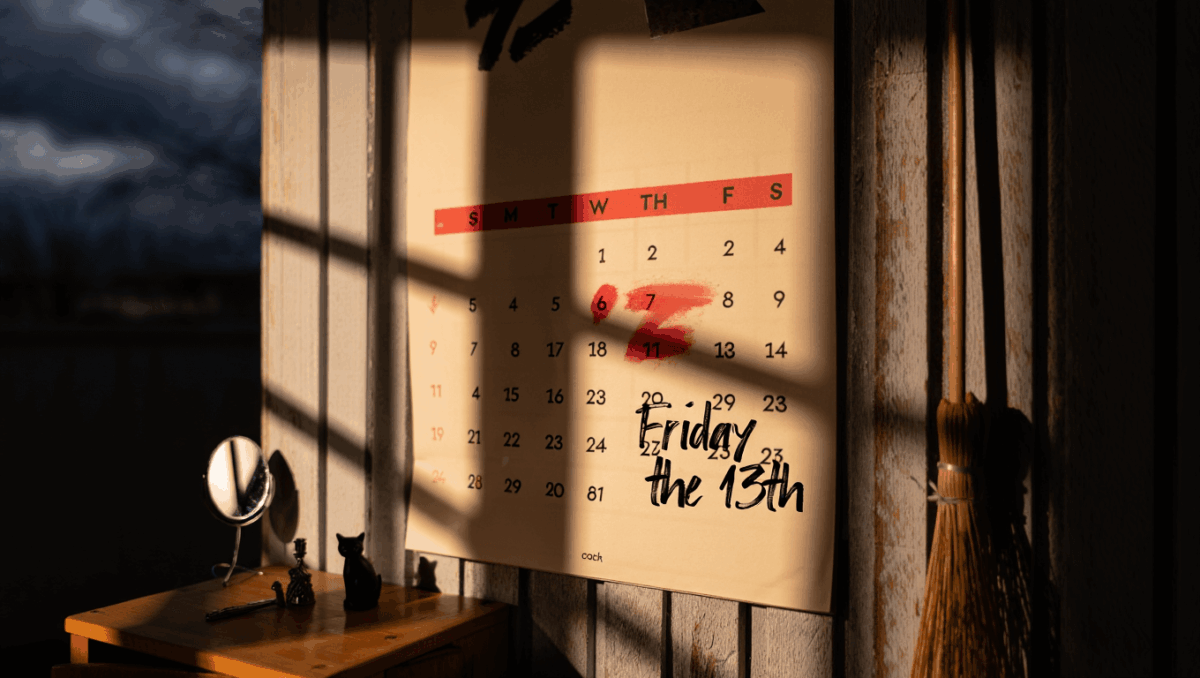
Friday the 13th arrives tomorrow with a spine-tingling twist. 2026 doesn’t just have one unlucky date on the calendar—it has three. The superstition that haunts millions refuses to let 2026 off easy.
🔥 Quick Facts
- 2026 Friday the 13ths: Three dates, February 13, March 13, and November 13
- Valentine’s Day wrinkle: February 13 falls one day before February 14, the last time this happened was 2015
- Fear statistics: Between 17 to 21 million Americans experience triskaidekaphobia or friggatriskaidekaphobia
- Research verdict: Empirical studies show Friday the 13th brings no actual increase in bad luck or accidents
Why Tomorrow Sparks Superstition Across America
America’s Next Top Model documentary drops today on Netflix with shocking revelations
Dana Eden dies at 52, Tehran producer found dead in Athens hotel
Friday, February 13, 2026 arrives with a romantic complication. The date lands just one day before Valentine’s Day, making it a historically rare occurrence. The last time Friday the 13th immediately preceded Valentine’s Day was in 2015. Some superstitious lovers will stress about timing dinner reservations, while others embrace the supposed bad luck as cosmic joke material.
The Western superstition treats this date as a marker for misfortune, misery, and chaos. Yet survey data reveals the psychological impact matters more than reality. People who believe in the curse experience heightened anxiety on this single date, creating self-fulfilling prophecies where they’re more cautious, more nervous, and thus more prone to accidents.
Two More Come Summoning in 2026
Tommy Lee Jones’ daughter was pregnant before her tragic death, court docs reveal
J Cole announces The Fall-Off world tour, first global dates in decades
What makes 2026 exceptionally strange is the clustering pattern. March 13 arrives just 28 days after February 13, making them back-to-back Friday the 13ths in consecutive months. This phenomenon is astronomically unusual and exceedingly rare on a calendar. Then, nearly eight months later, November 13 crashes the party again, creating three strikes within a single year.
According to calendar historians, Friday the 13th cannot occur more than three times per year due to the way the Gregorian calendar is structured. When a year gets all three occurrences, it becomes statistically notable. The last year this happened was 2015, and the next will occur in 2032.
Ancient Origins, Religious Roots, Cultural Fear
The superstition traces back centuries through mythology and religion. Norse mythology speaks of a banquet in Valhalla where Loki, the god of mischief, arrived as the 13th guest, unleashing chaos and death. Christian tradition points to the Last Supper, where 13 guests dined with Jesus Christ, and Judas sat as the 13th guest, leading to betrayal and crucifixion on Good Friday.
| Historical Event | Date/Era | Significance |
| Knights Templar Arrests | October 13, 1307 | Military order condemned for heresy on Friday the 13th |
| Norse Banquet of Loki | Ancient mythology | 13th guest caused death and destruction |
| Last Supper | Biblical history | 13 diners, Judas betrayed Jesus, crucifixion followed |
| American Documentation | Late 1800s | William Fowler recorded superstition as established belief |
“Scholars believe the superstition around Friday the 13th may have roots in religious beliefs, but most research has shown that the day isn’t any unluckier than any other day.”
— National Geographic, on scientific analysis of the superstition (2025)
Why Millions Still Fear This Date Despite Science
Triskaidekaphobia (fear of the number 13) and paraskevidekatriaphobia (fear of Friday the 13th specifically) represent psychological phenomena, not statistical reality. Empirical studies from researchers worldwide have found no increase in accidents, injuries, or deaths on Friday the 13th compared to other dates. Yet 17 to 21 million Americans feel visceral anxiety when this date appears on the calendar.
Hotels skip floor 13, airlines omit row 13 from seating, and some hospitals avoid assigning room number 13 to patients. This cultural behavior reinforces the superstition through collective action. People alter their routines on this date, avoid flying, postpone surgeries, and cancel outdoor plans. By changing their behavior, they may inadvertently create the bad luck they fear through avoidance and additional stress.
Will 2026 Be Your Year of Three Unlucky Fridays?
February 13, March 13, and November 13 loom ahead for American audiences and superstition believers worldwide. Some will mark these dates in red on their calendars and treat them with extra caution. Others will view the triple occurrence as a cosmic joke, a reminder that Western superstition persists despite science declaring the date no more dangerous than any other.
Whether you avoid stepping on cracks, refuse to travel on Friday the 13th, or dismiss the entirely superstition entirely, 2026 offers a rare moment of calendar convergence. The question is not whether bad luck comes, but whether our belief in it summons the very misfortune we fear.
Watch: The History of Friday the 13th

Sources
- USA Today – Reporting on 2026 Friday the 13th dates and Valentine’s Day proximity
- National Geographic – Scientific analysis of Friday the 13th superstition and triskaidekaphobia
- Britannica – Historical origins including Norse mythology, Christian tradition, and Knights Templar

Jessica Morrison is a seasoned entertainment writer with over a decade of experience covering television, film, and pop culture. After earning a degree in journalism from New York University, she worked as a freelance writer for various entertainment magazines before joining red94.net. Her expertise lies in analyzing television series, from groundbreaking dramas to light-hearted comedies, and she often provides in-depth reviews and industry insights. Outside of writing, Jessica is an avid film buff and enjoys discovering new indie movies at local festivals.