
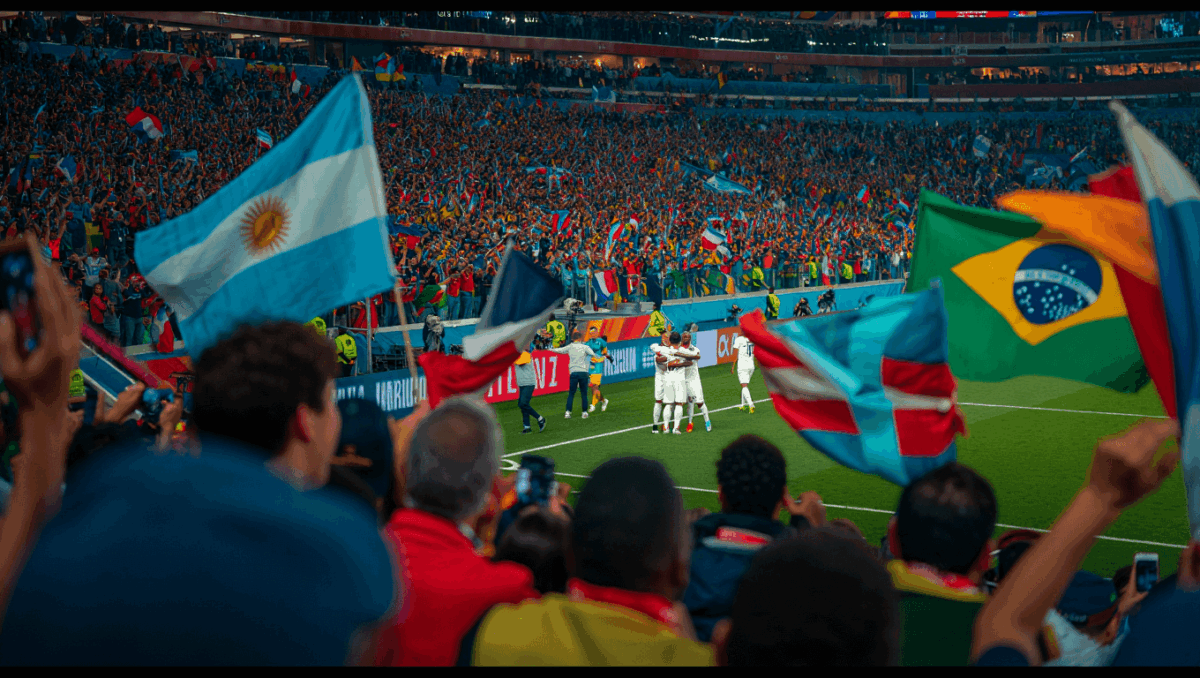
FIFA World Cup 2026 just shattered history with an unprecedented expansion. The tournament kicks off June 11 across three nations, featuring a record-breaking 48 teams competing in 104 matches. This is the first World Cup ever hosted by multiple countries and the first featuring this expanded format since the tournament began in 1930.
🔥 Quick Facts
- Launch Date: June 11, 2026 in Mexico City with Mexico hosting South Africa
- Group Format: 12 groups of four teams each, expanding from previous 8 groups
- Total Venues: 16 host cities across USA (11 cities), Mexico (3 cities), Canada (2 cities)
- Tournament Duration: June 11 to July 19, 2026, spanning 39 action-packed days
A Historic Expansion Changes the Global Game
America’s Next Top Model documentary drops today on Netflix with shocking revelations
Dana Eden dies at 52, Tehran producer found dead in Athens hotel
The 2026 FIFA World Cup represents a watershed moment for international football. For the first time ever, 48 nations will compete instead of the traditional 32, marking a 16-team increase that fundamentally transforms tournament dynamics. The expansion means more nations qualify and smaller nations get genuine chances at glory. FIFA redesigned the group stage from 16 groups of three teams to 12 groups of four teams, creating a more balanced and predictable pathway to advancement.
This expansion reflects the globalization of football and FIFA’s commitment to inclusivity. Six confederations will be represented, including teams from Europe, Africa, Asia, South America, North America, and Oceania. The tournament now encompasses 104 total matches, up from the traditional 64 matches in 2022. More games mean extended viewing windows, higher engagement, and unprecedented commercial opportunities for broadcasters and sponsors worldwide.
Three-Nation Host Structure Unprecedented in World Cup History
Tommy Lee Jones’ daughter was pregnant before her tragic death, court docs reveal
J Cole announces The Fall-Off world tour, first global dates in decades
USA, Canada, and Mexico will jointly host the tournament, making this the first World Cup ever held across multiple countries. The United States leads with 11 host cities, including Atlanta, Boston, Dallas, Houston, Kansas City, Los Angeles, Miami, New York, Philadelphia, San Francisco, and Seattle. Mexico contributes 3 cities featuring the iconic Estadio Azteca in Mexico City, plus Guadalajara and Monterrey. Canada hosts matches in Toronto and Vancouver, hosting 13 matches total across both venues.
The geographic spread ensures access for millions of fans across North America and beyond. Some venues feature cutting-edge climate control, including Atlanta‘s retractable roof and Dallas‘ advanced stadiums. The distribution of 104 matches across 16 stadiums creates an logistical marvel unprecedented in World Cup history. Fans in Los Angeles, New York, Toronto, and Mexico City can experience marquee matches without extensive travel.
| Aspect | Details |
| Host Countries | USA, Mexico, Canada |
| Total Cities | 16 (USA: 11, Mexico: 3, Canada: 2) |
| Tournament Dates | June 11 to July 19, 2026 |
| Opening Match | Mexico v South Africa at Estadio Azteca |
“The tournament will be hosted across 16 cities in three North American countries with 48 teams competing in 104 fixtures.”
— FIFA Official, Tournament Organizer
What Historic Expansion Means for Group Stage Strategy
The new 12-group format with four teams per group eliminates the controversial practice of pairing nations together strategically. Under the previous 3-team group system earlier proposed, teams feared uneven matchups. Now the round-robin structure guarantees each squad plays exactly three matches, earning maximum 72 total group-stage games. Top two teams from each group automatically advance. Additionally, the eight best third-place finishers qualify, creating an exciting 32-team knockout bracket. This innovation rewards consistency while maintaining drama, as multiple teams remain mathematically alive in elimination races throughout the group stage. Nations must balance aggressive play with positive goal differentials to secure advancement slots.
The expanded format reshapes FIFA rankings’ importance. Previously, 32-team tournaments meant 8 teams could advance from 8 groups. Now 32 teams advance from 12 groups, statistically improving emergence chances for underdog nations. Tier-two teams previously destined for elimination may now survive. This democratization of World Cup access could produce champion-caliber surprises, as unexpected teams find pathways through lighter group configurations. Coaching staffs must prepare for unpredictable matchups against unfamiliar opponents competing for third-place passage.
Will the Expanded Format Still Deliver Unforgettable Drama?
Skeptics worry that 48 teams might dilute tournament quality with mismatched contests. Early group-stage games could feature lopsided scorelines between elite nations and emerging teams. However, the eight third-place qualification berths inject uncertainty into every fixture, ensuring strategic stakes for all participants. Previously, teams knew their advancement possibilities by round two. Now every match carries conceivable implications. Football observers anticipate that expanded competition creates unpredictable narratives, as lesser-ranked teams grasp their first legitimate World Cup opportunities.
The tournament structure also intensifies later stages. Whereas traditional 32-team formats produced familiar powerhouses in finals, the 48-team field could spawn surprise quarterfinalists. Canada’s participation as host nation, Mexico’s advantage, and USA’s home-field benefits inject continental storylines rarely seen in global tournaments. Fans anticipate historic moments, miraculous comebacks, and upset victories unimaginable in previous editions. The question isn’t whether drama exists, but whether FIFA successfully balances competitive balance with entertainment value.
Sources
- FIFA – Official tournament schedule, groups, and venue information
- ESPN – Comprehensive World Cup 2026 format and fixture analysis
- Wikipedia – Historical context and venue details for all 16 host cities

Jessica Morrison is a seasoned entertainment writer with over a decade of experience covering television, film, and pop culture. After earning a degree in journalism from New York University, she worked as a freelance writer for various entertainment magazines before joining red94.net. Her expertise lies in analyzing television series, from groundbreaking dramas to light-hearted comedies, and she often provides in-depth reviews and industry insights. Outside of writing, Jessica is an avid film buff and enjoys discovering new indie movies at local festivals.